






 Portuguese
  Spanish


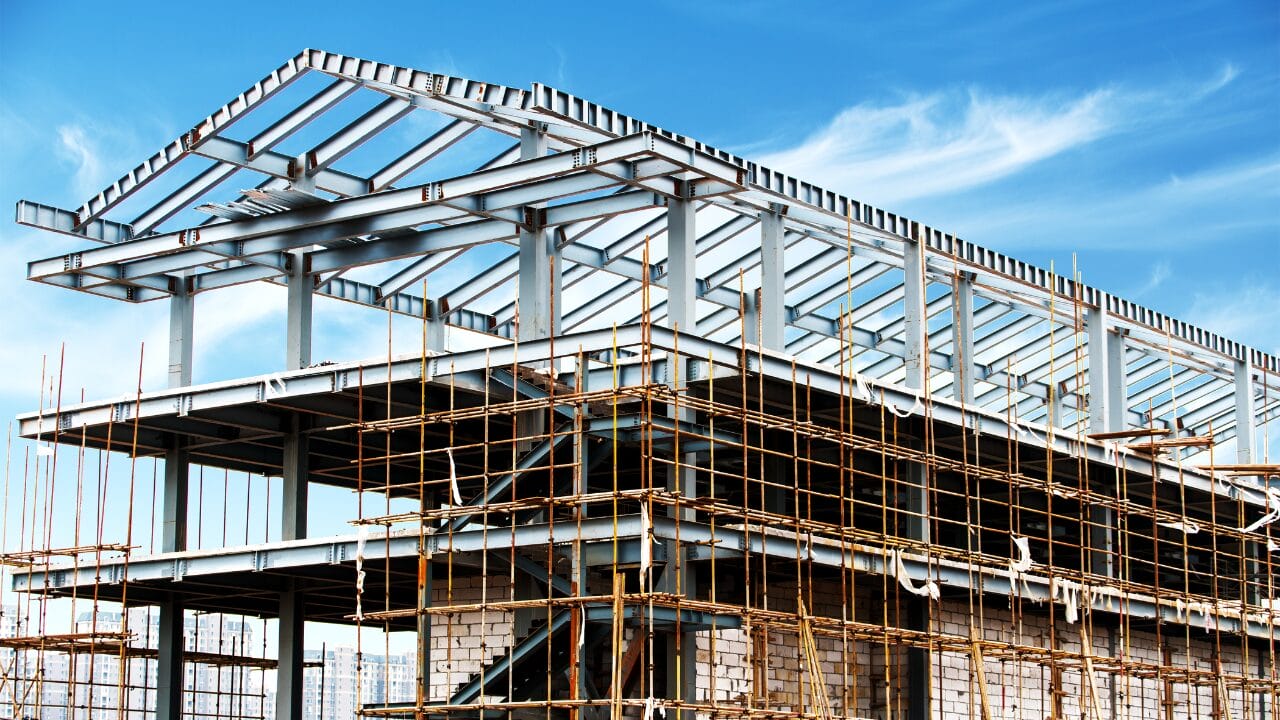
Labor Shortage Drives Modernization of Construction in Brazil, Highlighting Light Steel Frame as an Efficient and Rapid Solution.
The construction industry in Brazil has been undergoing a silent transformation, driven by a growing issue: the shortage of skilled labor. Amidst the high demand for projects and the need for productivity, the sector is seeking alternative solutions to maintain project pace and reduce operational bottlenecks.
The use of industrialized construction methods, such as Light Steel Frame, has been gaining prominence in this context, offering efficiency, cost savings, and less reliance on traditional labor.
Experienced Professionals Retire, and Young People Avoid the Sector
The market is already feeling the impacts of the shortage. According to a survey by FGV IBRE, conducted between 2023 and 2024, over 70% of companies in the sector reported difficulties in hiring qualified workers.
-
Canadian City Builds 8 Tiny Homes in 72 Hours for Homeless Youth, Plans 40 Affordable Houses for Female-Led Families Amid Housing Crisis

-
45-year-old Brazilian mother of 9 and grandmother of 12 receives 27 m² house made from recycled plastic, built in 15 hours with interlocking blocks and a recycled roof.
-
Ireland Installs 654 Modular Homes to Shelter 2,640 Ukrainian War Refugees, Offering a 60-Year Guarantee and a Model for Future Housing Crises
-
Sagrada Família Becomes World’s Tallest Church at 172.5 Meters, Surpassing German Church with Gaudí’s Design



At the same time, the average age of active professionals has surpassed 40 years, highlighting a concerning generational gap.
Among young people, interest in the field has been declining, which is attributed to the demanding working conditions at construction sites and the low level of digitization in the sector.
More flexible and technologically connected professions are preferred by those entering the job market.
Light Steel Frame Gains Ground as a More Efficient Alternative
In this context, Light Steel Frame emerges as a viable alternative to modernize the sector and reduce reliance on manual processes.
The technique uses galvanized steel profiles instead of conventional materials, such as blocks and cement, and can significantly accelerate project progress.
Studies indicate that constructions built with this system can be delivered in up to 50% less time, along with an average reduction of 20% in final costs.
Another important benefit is that the stages of the process are more standardized and require fewer workers per project.
Professional Training Becomes a Competitive Differential
Despite the advantages of the model, one of the main obstacles to its widespread adoption remains the lack of professionals familiar with the technique. To overcome this barrier, companies and institutions have been investing in the training of specialized labor.
An example is Espaço Smart, which, in partnership with SENAI, created a training program focused on the Steel Frame system. Since its inception, over 10,000 people have undergone the training.
The expectation for this year is to train at least one thousand new professionals, with monthly classes across the country.
A New Cycle for the Construction Industry
The labor crisis should not just be seen as a hindrance, but also as an opportunity to reassess practices and invest in smarter solutions. The Light Steel Frame, in addition to being a direct response to the shortage of workers, also symbolizes progress in the production model of the construction industry.
With gains in agility, sustainability, and cost-effectiveness, this system presents itself as one of the most promising paths for renewing the sector and making it more attractive to new generations.


Be the first to react!