Portuguese
  Spanish




The Initiative Is An Intention Of The Federal Government, Considering That The Pipeline In Argentina Can Bring Benefits To Brazil. Experts Agree With The Thought, But Believe That The Investment Could Be Directed To Create A Better Infrastructure To Handle Natural Gas And The Waste Caused By The Product Extracted From The Pre-Salt.
The Construction Of The Pipeline In Argentina Has Raised Significant Debates. On The One Hand, It Will Bring Benefits To Brazil, Considering The Practicality In The Disposal Of Inputs, But On The Other Hand, It Sounds Like A Huge Wasted Investment, Considering That Other Areas, Such As The Natural Gas From The Pre-Salt, Show A Greater Need.
Pipeline In Argentina And The Environment
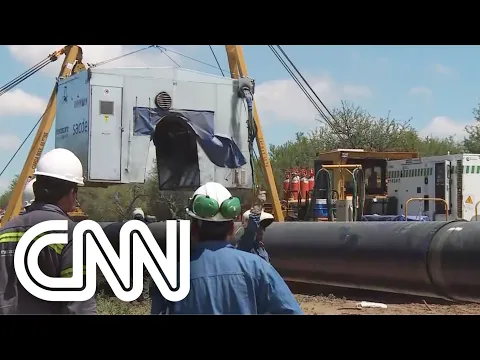

Lack Of Infrastructure Affects A Large Part Of What Is Captured From Natural Gas And The Right Investment Could Enhance The Area
In An Analysis Carried Out By The National Agency Of Petroleum, Natural Gas And Biofuels (ANP) Throughout The Year 2022, Approximately 2.07 Billion Cubic Meters Of Natural Gas Were Returned To The Source Each Month.
This Represents Nearly 50% Of All Brazilian Production Of The Fuel, Indicating An Alarming Scenario.
-
It’s official: Petrobras takes 75% of block 3 in São Tomé and Príncipe and debuts as an offshore operator outside South America.

-
With a record production of nearly 3 million barrels per day, Petrobras resumes importing diesel in July, highlighting the bottleneck in Brazilian refining.
-
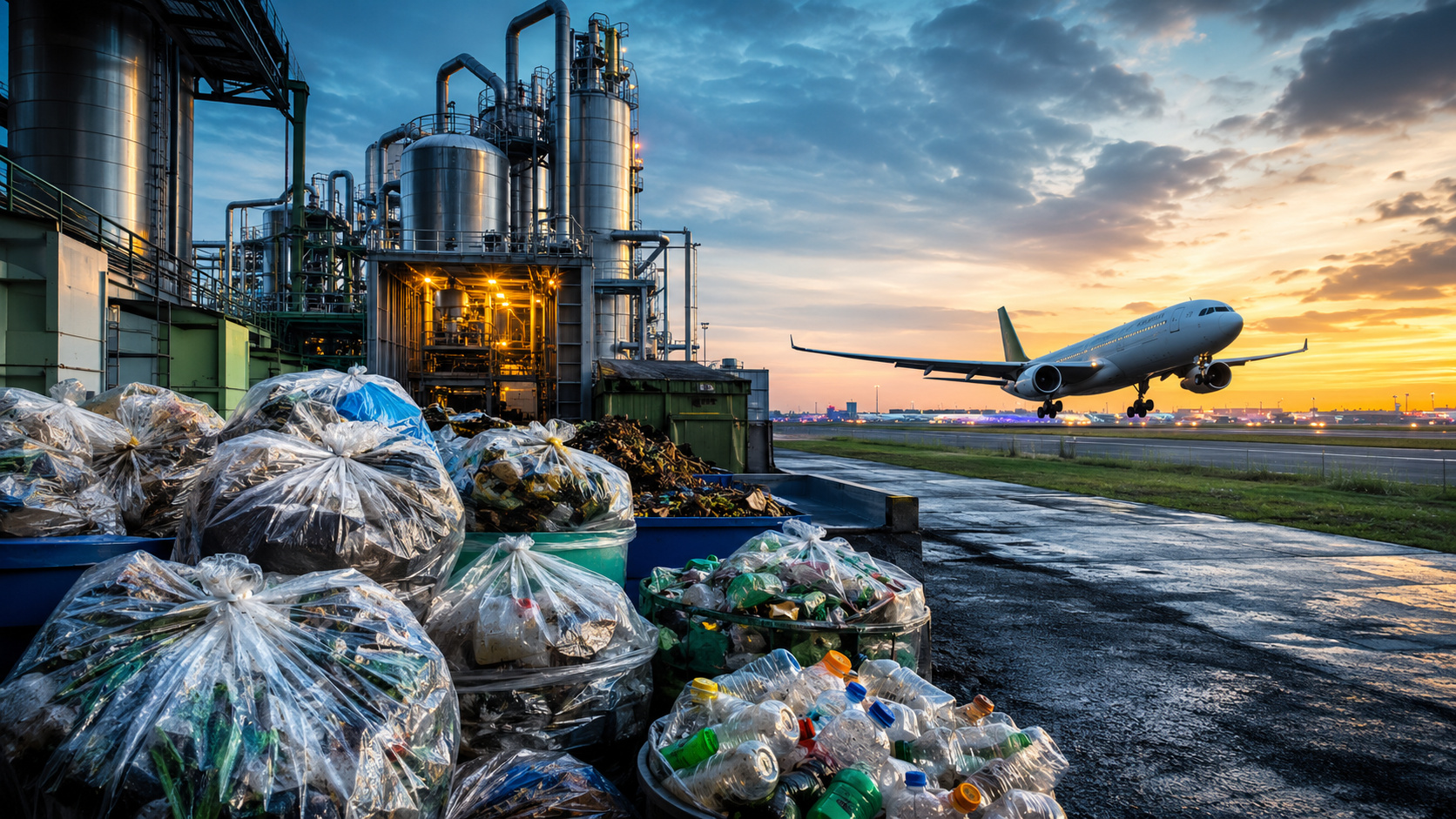
Qantas and Airbus Invest in Company Aiming to Convert Unsorted Household Trash into Jet Fuel

-
Brazil’s ANP Opens 86 New Oil Blocks in the Equatorial Margin, Expanding the Amazon River Mouth Frontier


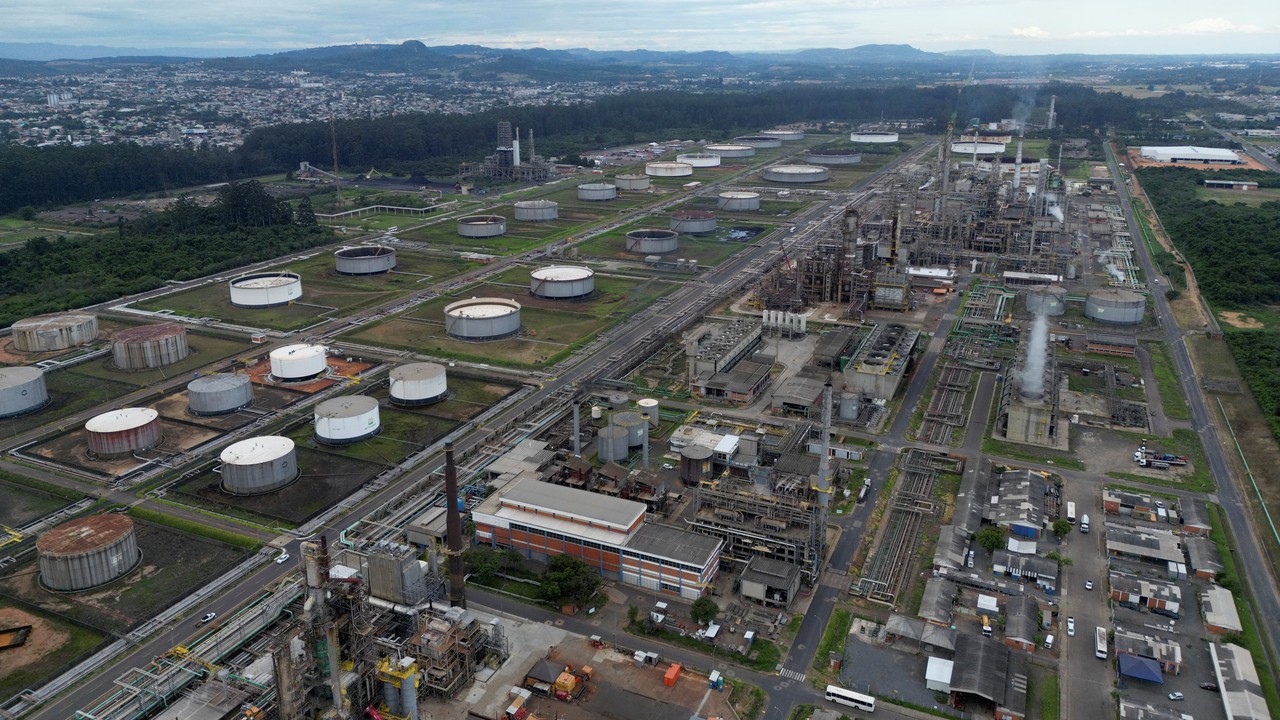
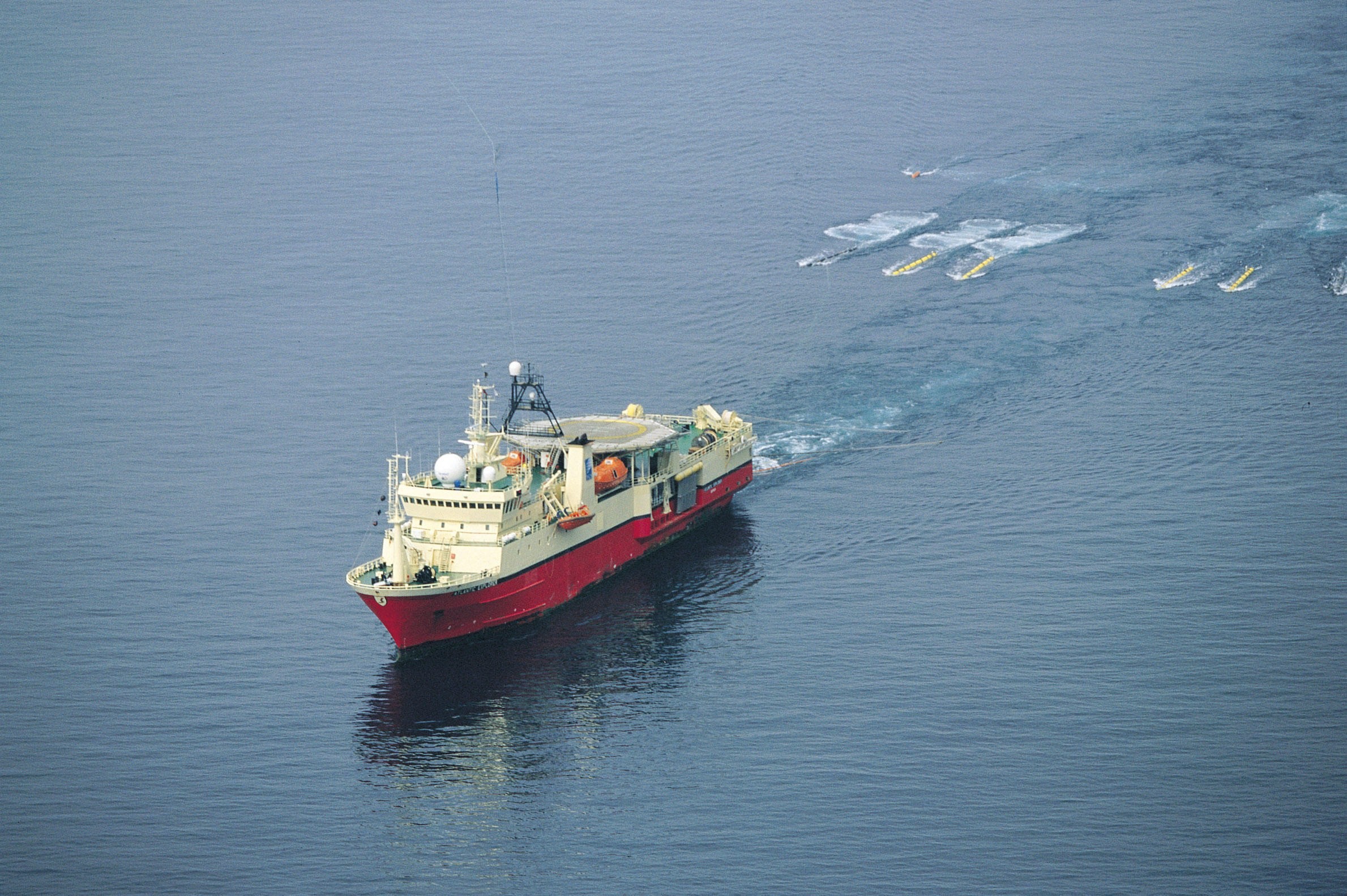
For Experts In The Field, What Is Lacking Is Investment In Infrastructure. Through This, It Would Be Possible To Improve The Transportation Of Natural Gas Throughout Brazil And Strengthen The Economy.
The Numbers Of Fuel Return, Currently, Are Very High, Even When Compared To The Global Average For Natural Gas Injection — Which Stands At Around 20%.
With The Ideal Infrastructure, Resulting From Investments, Several Economic Milestones Would Be Achieved, Such As:
- Increase Of R$ 402 Billion In The Brazilian Gross Domestic Product (GDP);
- Generation Of 2.8 Million New Jobs;
- Increase Of R$ 54 Billion In The Wage Mass;
- Increase Of R$ 9 Billion In State Revenue Through Taxes.
The Information Prepared Was Also Presented To Alexandre Silveira, Minister Of Mines And Energy, To Draw Attention To An Opportunity That Is Being Wasted.
For Pedro Rodrigues, Director Of The Brazilian Infrastructure Center (CBIE): “Brazil Is A Country That Has A Very Poor Pipeline Network, With Few Kilometers Of Transport Routes Compared To Other Countries, Including Argentina Itself.”
In Quantitative Terms, Argentina’s Pipeline Network (16,000 Kilometers), Used To Transport Natural Gas, Is Almost Twice As Long As Brazil’s Network (9,500 Kilometers), Which Is Why Experts Are Seeking Investment To Improve The Infrastructure.
Environmentalists Also Criticize The Construction Of The Pipeline In Argentina And Point Out Contradictions In Environmental Preservation
In Addition To The Economic Issue, The Construction Of The Pipeline Has Drawn Attention From Professionals Who Deal With Environmental And Community Welfare.
With The Current Investment, Both Would Be Harmed, As Pointed Out By 350.org, A Non-Governmental Organization (NGO).
According To The Data Presented, Among The Most Affected Are The Communities Where The Mapuche People, An Indigenous Tribe, Live, In Addition To Small Farmers Located In The Vaca Muerta Region.
Through A Statement Released, The NGO Reports: “In The Municipalities Where The Fracking (Gas Extraction Process) Is Extracted, There Are Thousands Of Families Without Access, Including To The Gas Obtained In The Region, Who Depend On Firewood To Heat Their Homes.”
In Other Words, In Addition To The Exploitation In The Region, The Inhabitants Do Not Have Any Gain From What Is Extracted.
Despite So Many Criticisms Of The Construction Of The Pipeline In Argentina, The Project Continues To Receive Large Investments And Is Considered A Great Advantage For Brazil. The Natural Gas Extracted From The Pre-Salt, Which Currently Experiences Great Losses, May Enter As A Future Plan In The Goals Of Government Entities.