Portuguese
  Spanish


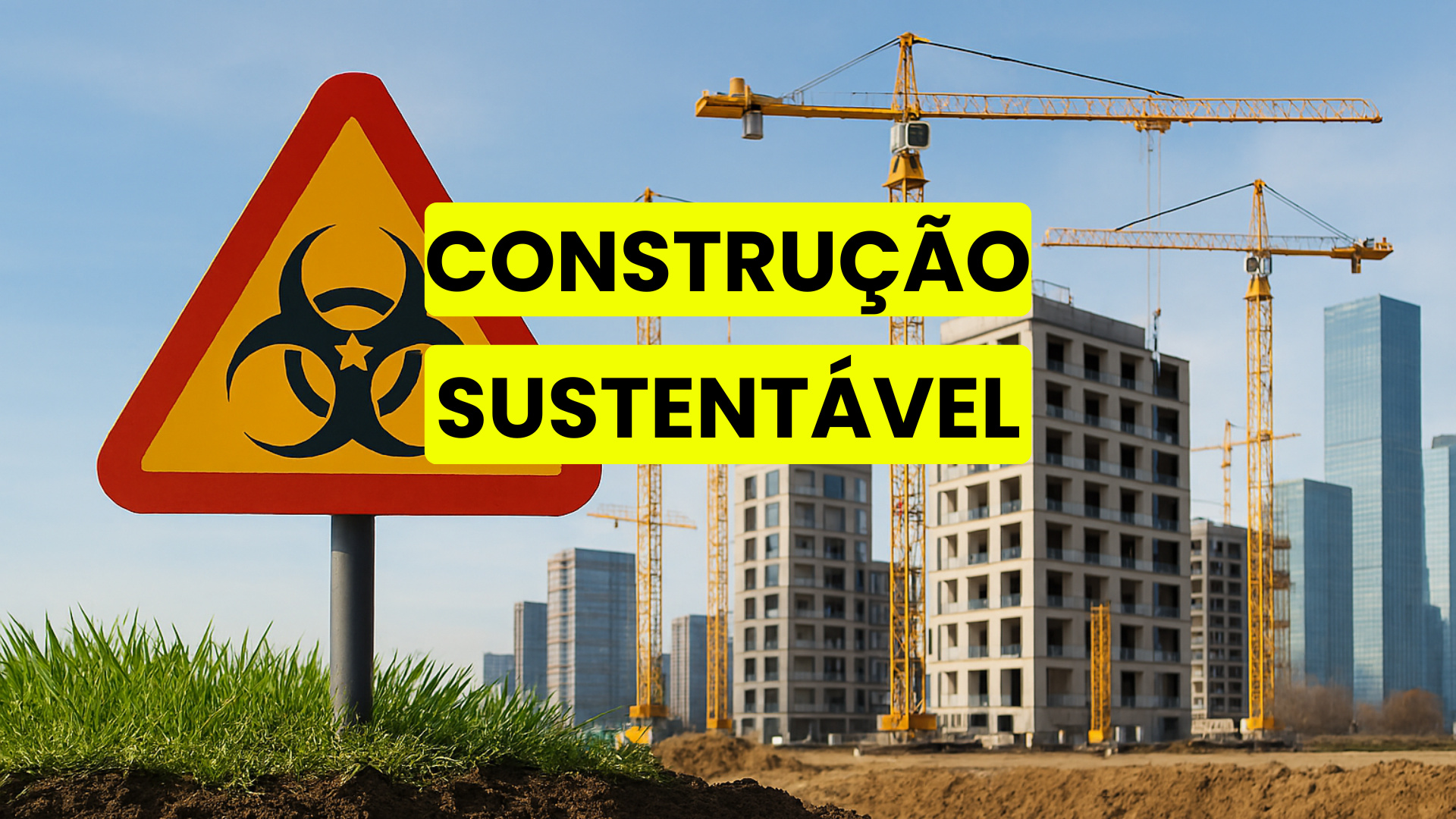

Cities Face Lack of Space for New Constructions, and the Recovery of Contaminated Lands Emerges as a Strategic Alternative for the Real Estate Market With a Focus on Sustainable Construction
With the accelerated growth of cities, the lack of space for new constructions has become one of the biggest challenges of modern urbanism. At the same time, the appreciation of the real estate market and the need for ecological practices drive the search for innovative solutions. In this context, sustainable construction on contaminated lands emerges as an efficient strategy, transforming underutilized areas into modern and environmentally responsible developments.
According to data from the Brazilian Institute of Geography and Statistics (IBGE), over 87% of the Brazilian population already lives in urban areas, putting pressure on city expansion. According to the Environmental Company of the State of São Paulo (CETESB), Brazil has thousands of registered contaminated areas, mainly associated with industrial activities and gas stations. Utilizing these lands contributes to urban sustainability, reducing uncontrolled expansion and enhancing property values in strategic regions.
What Are Contaminated Lands and Their Importance?
Contaminated lands are areas previously compromised by chemical residues, heavy metals, or industrial pollutants that have undergone environmental recovery processes, becoming safe for occupation. Decontamination involves techniques such as bioremediation, soil washing, waste encapsulation, and continuous environmental monitoring.
-
Woman Turns Shipping Container into Home, Embraces Rural Life to Cut Monthly Expenses to Just Over $330

-
France Revamps 530 Social Housing Units with Large Balconies and Glass Facades Without Demolishing Existing Buildings

-
Facing high rent, couple transforms parents’ garage into a fully functional apartment, creating a complete home at a fraction of the market cost.
-
MIT Scientists Develop Method to Transform CO₂ into a Construction Ally, Boosting Cement Strength by 13% in 24 Hours for More Sustainable Infrastructure



According to the World Health Organization (WHO), there are about 2.8 million sites with potential contamination in the European Region alone, many of them located in densely populated urban areas.
Recovering these lands prevents city expansion into green areas, reducing environmental degradation and providing solutions for space shortages in central regions. Besides the positive environmental impact, contaminated lands tend to increase local real estate market values.


Recovery of Contaminated Lands in São Paulo
In São Paulo and the State, contaminated lands are common. CETESB registers 7,500 contaminated areas, of which 2,500 have already been remediated. In the capital, 41% of the 2,800 registered areas have undergone recovery, with the real estate sector operating in 64% of these lands.
Recently, CETESB launched a new edition of the soil decontamination manual, speeding up the approval of remediation plans from 9 months to up to 60 days. According to specialists, it is not necessary to eliminate all pollutants, just to meet the minimum standards required for each occupation, also following Conama nº 420.
Benefits of Sustainable Construction on Contaminated Lands
Sustainable construction on contaminated lands offers multiple benefits for both investors and society.
Reduction of Uncontrolled Urban Expansion
The occupation of already urbanized lands prevents cities from expanding uncontrollably. This preserves natural areas, reduces the need for infrastructure in new regions, and lowers costs for public transport, energy, and sanitation.
Economic Appreciation of the Real Estate Market
Properties built on recovered areas have greater attractiveness in the real estate market, as they combine prime location, environmental security, and potential for green certifications, such as the LEED (Leadership in Energy and Environmental Design) label. Studies indicate that properties with green certifications can experience significant appreciation in the real estate market, with increases ranging from 4% to 30%, depending on location, type of certification, and the characteristics of the development.
Environmental Contribution
The decontamination and reuse of degraded lands prevent the disposal of waste in new locations and contribute to reducing soil and water pollution. Additionally, sustainable developments often incorporate energy efficiency solutions, rainwater harvesting, and the use of recyclable materials.
Social Benefits
Projects on contaminated lands can include green areas, recreational spaces, and adequate urban infrastructure, improving the quality of life for residents and promoting social integration. UN Habitat research shows that revitalized areas tend to reduce crime rates and increase community well-being.
Implementation Strategies for Sustainable Construction in Brazil
In Brazil, several municipalities have encouraged the recovery of contaminated urban lands to address the lack of space. The main strategies include:
- Public-Private Partnerships (PPP): municipalities collaborate with private companies to decontaminate lands and develop sustainable real estate projects.
- Tax incentives: tax exemptions and facilitation of licenses for sustainable developments on contaminated lands.
- Environmental certification: assurance that the construction meets nationally and internationally recognized sustainability standards.
According to the São Paulo Environmental Quality Report (2022), the city has approximately 2,020 hectares of registered contaminated areas. The recovery of these areas offers significant opportunities for urban revitalization projects and sustainable construction.
Challenges and Considerations for the Real Estate Market
Despite the benefits, construction on contaminated lands presents technical and economic challenges:
- High initial cost: soil decontamination may require significant investments, ranging from R$ 500 to R$ 2,000 per square meter, depending on the type and degree of contamination.
- Complex legislation: projects must comply with rigorous environmental regulations, involving bodies such as the Secretary of the Environment (SMA) and the National Council for the Environment (CONAMA).
- Market acceptance: some investors still hesitate to invest in previously contaminated lands, despite the potential for appreciation.
To mitigate these challenges, experts recommend detailed feasibility studies, the use of advanced decontamination technology, and awareness campaigns about the environmental and economic benefits of sustainably occupying these lands.
Trends and Future Opportunities in Sustainable Construction
The global trend points toward greater integration between sustainable construction and urban planning. In cities like New York and Tokyo, contaminated lands are transformed into residential, commercial, and leisure projects, responsibly increasing urban density.
In Brazil, the growing demand for properties in central regions, alongside the scarcity of available lands, makes environmental recovery a strategic opportunity. The real estate market is increasingly attentive to ESG (Environmental, Social, and Governance) practices, making sustainable construction on contaminated lands a competitive advantage for developers and investors.
Furthermore, public policies promoting urban revitalization and green financing can expand access to resources for decontamination projects, promoting greater integration between sustainability and economic appreciation.
Pathways to More Sustainable and Valued Cities
Sustainable construction on contaminated lands represents an intelligent solution to the urban space shortage, offering environmental, economic, and social benefits. Besides revitalizing degraded areas, this practice contributes to the appreciation of the real estate market, improves the quality of life in cities, and strengthens urban sustainability.
With clear regulations, strategic investments and awareness about the positive impacts, the reuse of contaminated lands can transform the landscape of Brazilian cities, making them greener, more efficient, and inclusive. Investing in such projects is not only an economic opportunity but also a commitment to sustainability and the urban future.