






 Portuguese
  Spanish


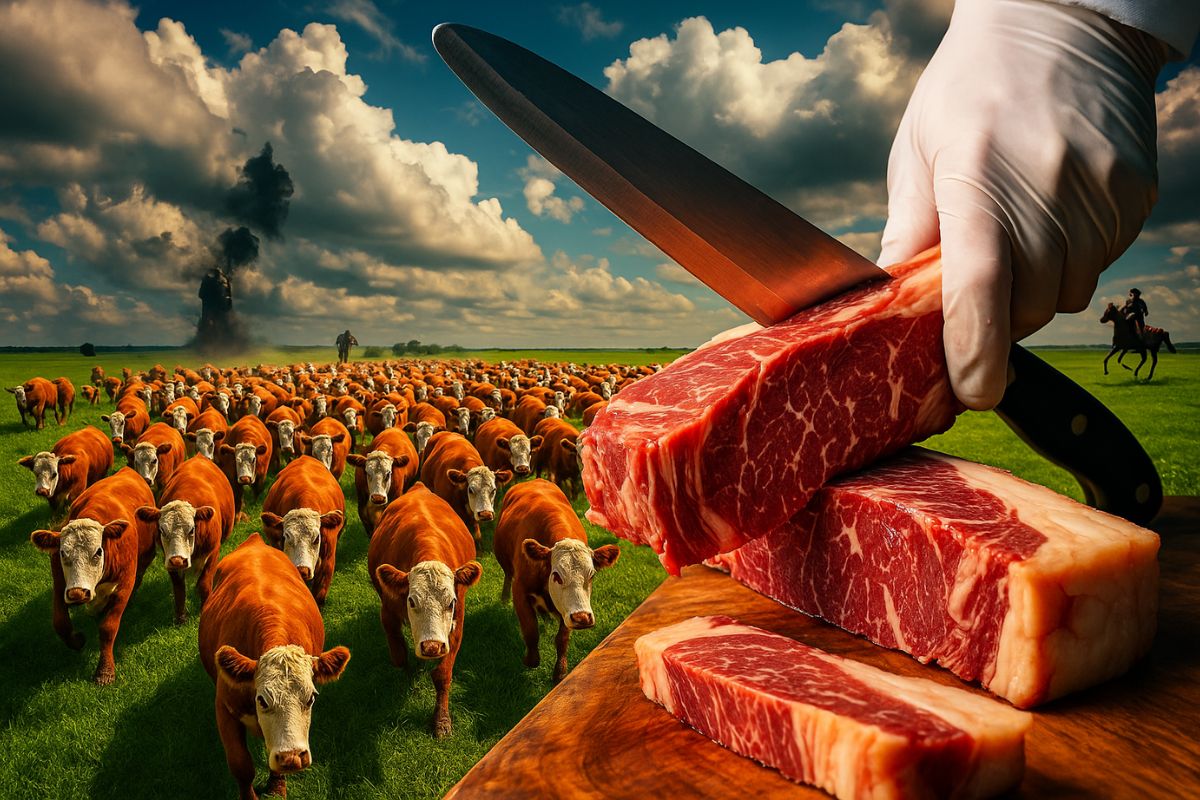

With a Portfolio of 6.1 Million Hectares and Operations in 14 Stations, NAPCO Manages a Herd of 200,000 Cattle and Positions Carbon-Neutral Beef as Its Core Growth and Differentiation Strategy
The North Australian Pastoral Company operates on a continental scale, managing a herd of 200,000 cattle over 6.1 million hectares across Queensland and the Northern Territory. The company acts as an integrated beef producer and developed a carbon-neutral brand, connecting environmental management with commercial positioning in demanding markets.
NAPCO’s portfolio model combines multiple properties, process standardization, and sustainability goals, reinforcing the thesis that operational scale has evolved from being merely synonymous with volume to supporting environmental differentiation, traceability, and brand value. The presence of a herd of 200,000 cattle allows for efficiency gains, while the carbon neutrality strategy aims to turn compliance costs into a competitive advantage.
Who is NAPCO and How Does It Operate on Multiple Fronts
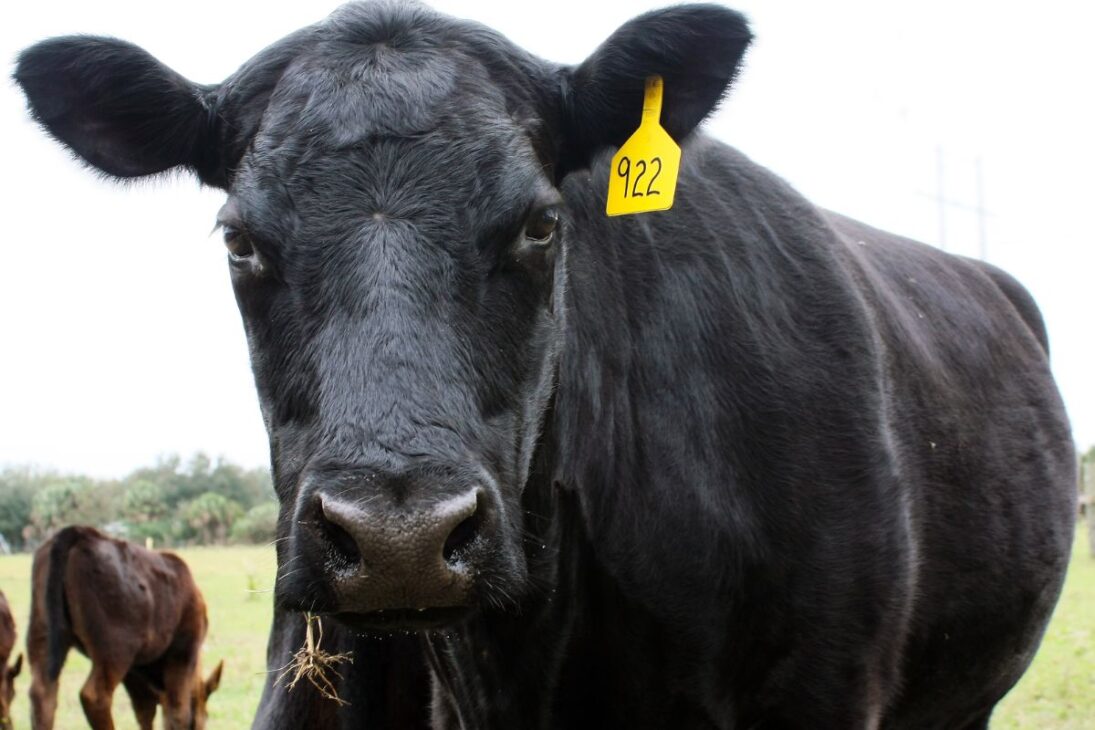
NAPCO is a private company with large-scale pastoral operations, managing 14 cattle stations.
-
Without anyone betting that Amazonian açaí would catch on in Rio Grande do Norte, he brought the seedling from Pará, planted 80 hectares, and transformed the “unlikely land” into a business that harvests 280 tons of fruit and exports pulp to Italy, the Netherlands, and Kuwait, proving that the superfood from the North thrived in the semi-arid region.

-
A company from SC that moves R$ 125 billion in agribusiness is integrated into an international group, maintains its headquarters and jobs in Chapecó, and is preparing to expand software for cooperatives, grain companies, and industries while targeting new markets without leaving the western region of Santa Catarina.

-
Producer receives news and had to cull almost the entire herd, bounced back with the help of compensation, and is now producing 450 liters of milk per day in SC.

-
Quail Eggs Reveal a “Secret Code” on Their Shells Explaining Unique Patterns and Colors



The geographical design of the farms enables management and logistics routines adapted to climate variabilities and fattening needs across vast areas of land.
By integrating calf production, growing, and finishing within the same portfolio, the company coordinates animal flows, pasture availability, and health calendars.
This arrangement reduces operational volatility and establishes a foundation for consistent quality standards.
How Scale Matters and Why It Is Important for Value and Cost
Operating a herd of 200,000 cattle on 6.1 million hectares enhances the power of fixed cost dilution, from infrastructure to technical teams.
Scale favors protocol standardization, measurement of indicators, and more efficient negotiation with suppliers and customers.
On the commercial side, volume and consistency of supply sustain delivery commitments and carcass regularity, critical elements for contracts that require specific standards and sustainability attributes.
Where Carbon Neutrality Converts into Value Proposition
The company positions a carbon-neutral beef brand as its final product, signaling that emissions management is embedded in its business model.
In increasingly regulated global supply chains, measurable environmental attributes serve as a competitive passport, elevating quality perception and opening doors in premium niches.
By linking the neutrality label to the herd of 200,000 cattle, NAPCO transforms the climate issue into a commercial differential, connecting farm, processing, and market under a unique sustainability narrative.
Why Data Governance and Standardization Are Crucial
In fragmented operations, data governance, traceability, and uniform protocols are the foundation for substantiating environmental and zootechnical claims.
Comparable indicators between stations allow for performance deviations to be identified and management interventions prioritized.
Standardization also facilitates audits and verification of environmental criteria, a requirement to communicate credibly and repeatably that meat labeled as carbon-neutral corresponds to consistent practices in the field.
How NAPCO Translates Global Trends into Strategy
The choice of carbon neutrality reveals an industry trend among large producers: scale now finances innovation and differentiation, not just increases in volume.
In markets where buyers demand environmental credentials and supply predictability, the company aligns productive efficiency and climate positioning.
The result is a virtuous circle: large operations enable investments in sustainability and branding, which in turn generate competitive premiums and reinforce the capacity to invest.
What to Watch Moving Forward
To sustain the proposition, the challenge lies in maintaining consistency across stations, ensuring continuous measurement of indicators, and preserving carcass quality at scale.
The robustness of the herd of 200,000 cattle is an advantage, provided it is accompanied by clear standards of management, health, and environmental verification.
In the long run, the integration of logistics, data, and market tends to separate producers who merely scale from those who scale with differentiation, especially where climate brands are a buyer’s decision factor.
NAPCO demonstrates that production scale and carbon neutrality can go hand in hand when there is standardization, governance, and a well-grounded value narrative.
In a competitive environment, the herd of 200,000 cattle stops being just an indicator of size and begins to represent the capacity to deliver environmental attributes at volume.
In your opinion, do buyers really pay more for meat with environmental credentials when the supply is large-scale, or does the premium remain restricted to specific niches?








eu quero fazer um curso