






 Portuguese
  Spanish




Growth Trend of Portable Induction Cooktops Transforms the Appliance Market, Driven by the Search for Safety, Economy, and Innovation in Brazilian Kitchens.
The gas stove, for many years an essential element in Brazilian kitchens, is starting to lose space in the face of the advancement of portable induction cooktops.
In 2025, industry data indicates a 6% increase in sales of these appliances in Brazil, reflecting the growing search for safer, more practical, and economical alternatives, along with the rising price of cooking gas in the country.
According to the Brazilian Institute for Consumer Defense (Idec), the price of the gas cylinder has already exceeded R$ 120 in some regions, further pressing the migration to electric technologies.
-
The Ipiranga convent, a 1924 building adjacent to the Museum that remained vacant for a decade and became home to dozens of cats, is reborn as “Alma Mater,” a luxury development worth R$ 130 million with a pool in the courtyard and a clubhouse in the former nuns’ chapel.

-
An empty pool of almost 3 meters turned into tilapia farming in the backyard after a family transformed the dangerous space for children into an urban greenhouse with eggs and organic food.

-
Danger of Technological Hyperstimulation: USP specialists warn that intense use of multiple screens and digital stimuli can gradually reduce essential cognitive abilities, while scientists analyze how technological overload affects memory, concentration, and intellectual performance over the years.

-
After three years living in a van, a couple bought an abandoned historic house and had to deal with mold, damaged plumbing, raccoons, and heavy cleaning before moving in.




The movement is not restricted to the country.
The global induction cooktop market, according to the consultancy Business Research Insights, is expected to surpass US$ 7 billion in financial volume by 2033, with an emphasis on expansion in emerging economies, such as Latin America and Southeast Asia.
Among the main attractions of the portable induction cooktop are the accelerated food preparation, greater safety in daily use, and ease of cleaning, along with portability that adapts to different residential profiles and lifestyles.
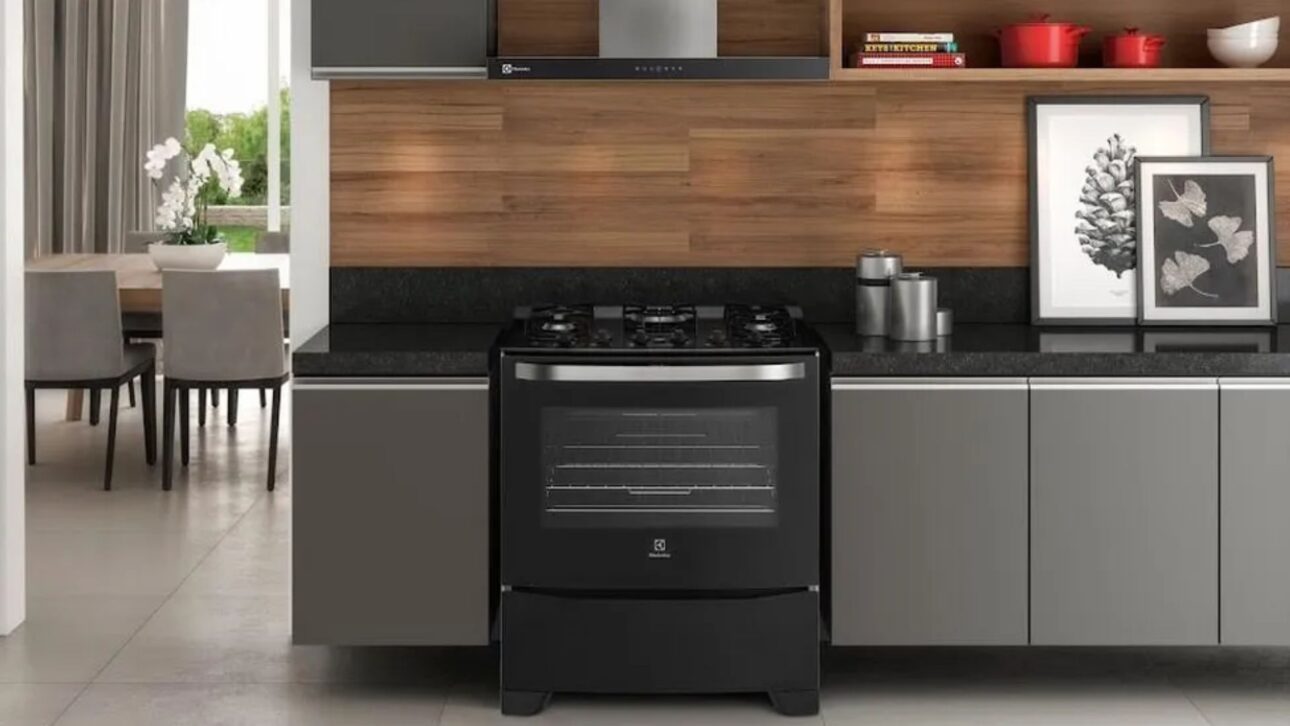
How Portable Induction Cooktop Works
The induction technology relies on the creation of electromagnetic fields that generate heat directly in the base of the pot.
Unlike traditional gas or electric stoves, there is no flame or heating of the appliance’s surface.
This innovation ensures a superior energy efficiency: about 90% of electrical energy is converted into useful heat, while gas stoves hover around 40%.
The result is faster cooking and a noticeable reduction in energy consumption and resources, such as gas or electricity, depending on usage patterns.
Among the benefits highlighted by manufacturers and users are precise temperature control, the possibility of automatic shut-off programming, and the inclusion of functions such as child lock and digital panel.
By heating only in the presence of pots with a magnetic base, the portable induction cooktop drastically reduces the risk of accidental burns and eliminates the chance of gas leaks, making it an interesting option for families with children or elderly people.
Brazilian Market Expands Supply and Prices Become More Accessible
The supply of portable induction cooktop models has significantly increased in 2025, with different price ranges and specifications.
Compact appliances with a single burner can be found starting at R$ 320 and cater well to students, singles, or those living in studios and small apartments.
On the other hand, built-in versions with two to four burners have prices ranging from R$ 800 to R$ 1,500, offering tempered glass finishes, stainless steel, and advanced functions such as residual heat sensors and individual power adjustment by zone.
Companies like Electrolux, Fischer, Tramontina, Philco, and Oster maintain a prominent position in the domestic segment, providing models with factory warranties, specialized technical support, and differentiators in design and functionality.
Consumers also find portable options with high energy efficiency that are ideal for travel, vacation homes, or those seeking versatility without sacrificing technology.
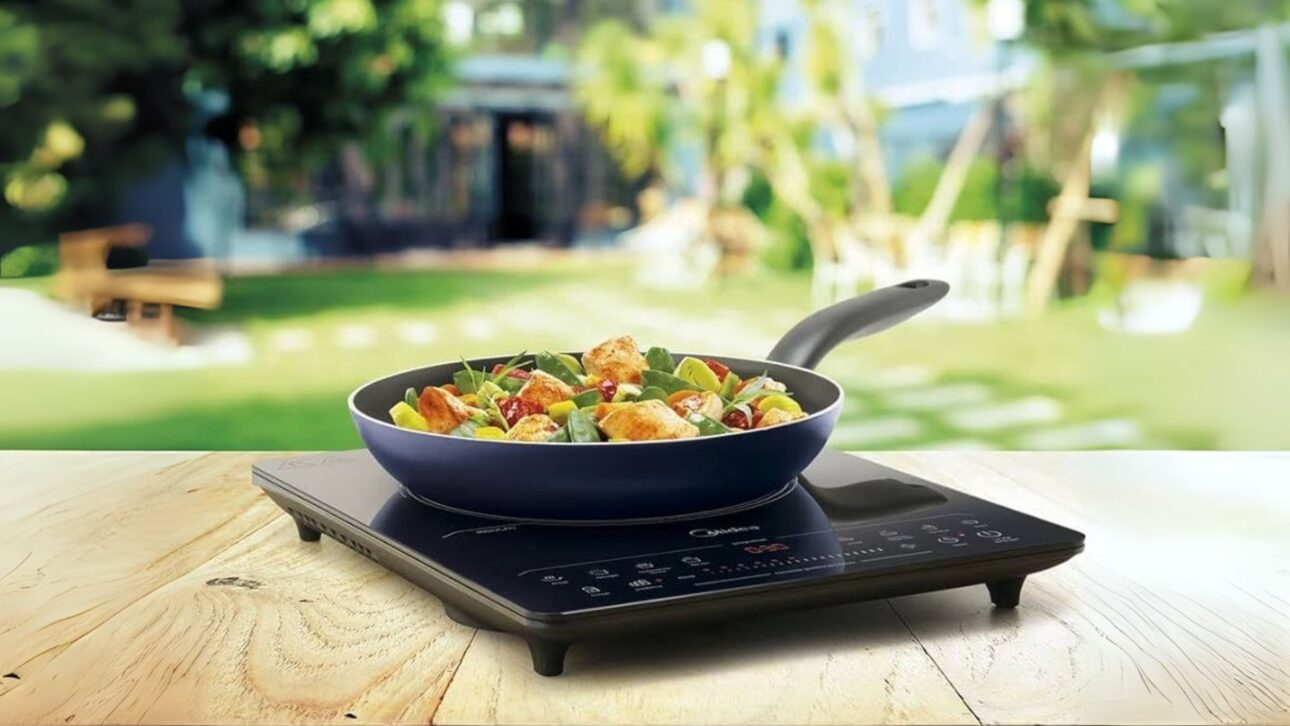
Advantages of Induction Cooktop: Speed, Economy, and Sustainability
Replacing the gas stove with a portable induction cooktop provides benefits that go beyond convenience.
According to Idec’s estimates, using the equipment can reduce monthly cooking gas expenses by up to 30% in households that have not yet adopted solar energy systems or white energy tariffs.
The cooking time for food also significantly decreases due to direct and immediate heating of the pots.
From an environmental perspective, induction technology contributes to reducing pollutant emissions, such as carbon dioxide (CO₂) and carbon monoxide (CO), both released during gas combustion.
Thus, the appliance presents itself as a sustainable alternative aligned with the most modern practices of energy efficiency and environmental impact reduction.
Who Opts for the Portable Induction Cooktop
The demand for the portable induction cooktop is driven by different consumer profiles.
Young adults living alone seek practicality and safety, while families with children or elderly prioritize eliminating risks in domestic accidents.
Couples in compact apartments value smart space utilization, and advocates of alternative energy sources see advantages in combined use with photovoltaic systems.
Additionally, amateur cooks and enthusiasts find temperature control a relevant differentiator for preparing more elaborate recipes.
User accounts, such as that of Sérgio Araújo, 45, a resident of Belo Horizonte (MG), illustrate the change in habits: “I replaced the gas stove with a portable induction cooktop and have never regretted it. It cooks faster, is safe, and takes up less space,” says the consumer, who highlights the practicality in daily life and the savings noticed since adopting the new appliance.

Limitations and Challenges for Mass Adoption
Despite advances, some barriers still hinder the full adoption of the portable induction cooktop.
One of the main obstacles is the need for specific pots with magnetic bases, as pure aluminum or conventional ceramic models do not work with the technology.
In regions prone to frequent power outages, the appliance may encounter operational limitations.
For built-in models, it is also necessary to evaluate the infrastructure of the property, as installation requires a countertop with proper cutouts and compatible power outlets.
However, the popularization of portable models and the reduction of prices have contributed to overcoming these barriers, making the technology more accessible to different consumer profiles and expanding the reach of safety, speed, and sustainability benefits.
Given this scenario, the portable induction cooktop consolidates itself as a symbol of modernization in Brazilian kitchens, highlighting a silent transformation in domestic habits and energy consumption.
Have you ever considered replacing the traditional stove with a portable induction cooktop to experience a more practical, clean, and efficient kitchen?





Procuro faz muito tempo, aguardo por um modelo que funcione em 110 volts. Ainda não achei.
Ê a tecnologia s3mpre presente e com as novidades muito positivas…nesse caso, o gás realmente está muito caro mas a energia elétrica também não fica atrás…precisa verificar se o consumo de energia é atraente…falta também forno…necessário analisar também…
Olá , tenho um fogão de indução a um ano e gostava muito dele era ótimo super econômico e cozinhava muito bem e o melhor a limpeza em segundos !!! Mas parou de funcionar acredita em um ano e pouco , levei a autorizada ( fogão Fischer) e falou que era preciso trocar a placa que daria o valor de R$1100,00 fiquei decepcionado pois este fogão foi usado relativamente pouco porque moro sozinho e viajo muito .Perdi a confiança e não sou mais um admirador !
Tenho um cooktop à indução Electrolux há 11 anos. É usado diariamente, pois optamos em 2014 a não ter gás em casa. Desse modo, tenho também um forno elétrico.
Além de todas as vantagens descritas (e de não precisar mais tratar com botijões, que é um pequeno ponto positivo), nunca tivemos nenhum problema de manutenção. Imagino que ao menos os ventiladores (‘fans’) internos um dia precisarão ser substituídos.
Talvez você tenha tido azar, mesmo. Ou então o problema seja justamente o pouco uso. Sua região tem muitas quedas de fornecimento de energia? Isso deve fazer diferença, a falta de qualidade da rede elétrica.
O meu chapa, COMPRE OUTRO , ZÉ !
Custa muito menos !