Portuguese
  Spanish


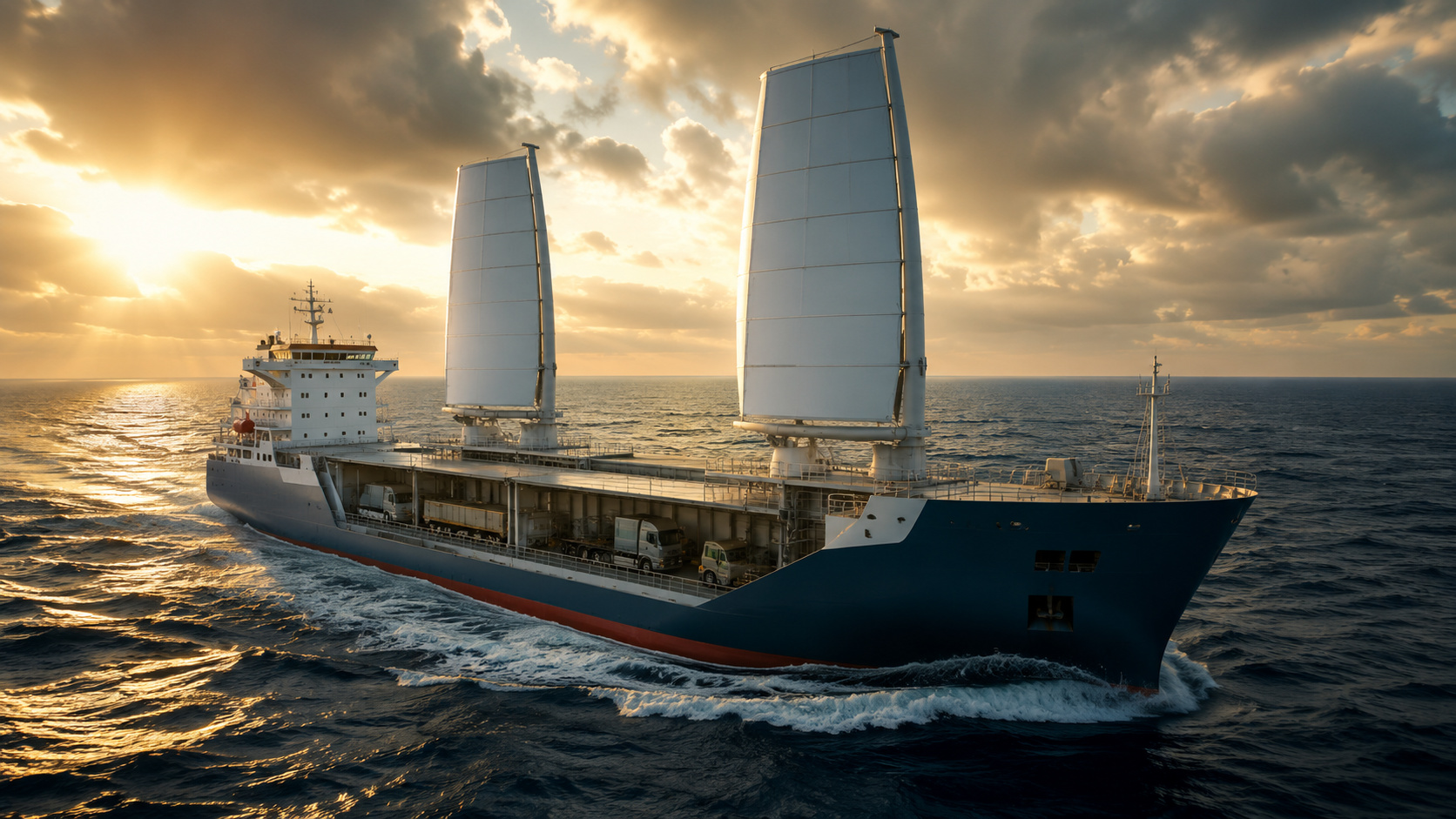

Giant sails do not replace the entire engine but reduce diesel dependence
With two giant sails instead of relying solely on the engine, the modern cargo ship Neoliner Origin crossed the Atlantic carrying cars, forklifts, and goods on a journey that brought wind back into maritime transport.
The information was published by The Guardian, a British newspaper of international news and reports, on November 19, 2025. The vessel departed from the west coast of France heading to Baltimore, USA, on its maiden voyage of two weeks, with the goal of reducing greenhouse gas emissions by 80% compared to a similar diesel-powered cargo ship.
The case draws attention because it involves heavy logistics, diesel, maritime transport, and naval technology. Instead of treating wind as a thing of the past, the ship uses modern materials, route planning, and a support engine to try to consume less fuel at sea.
-
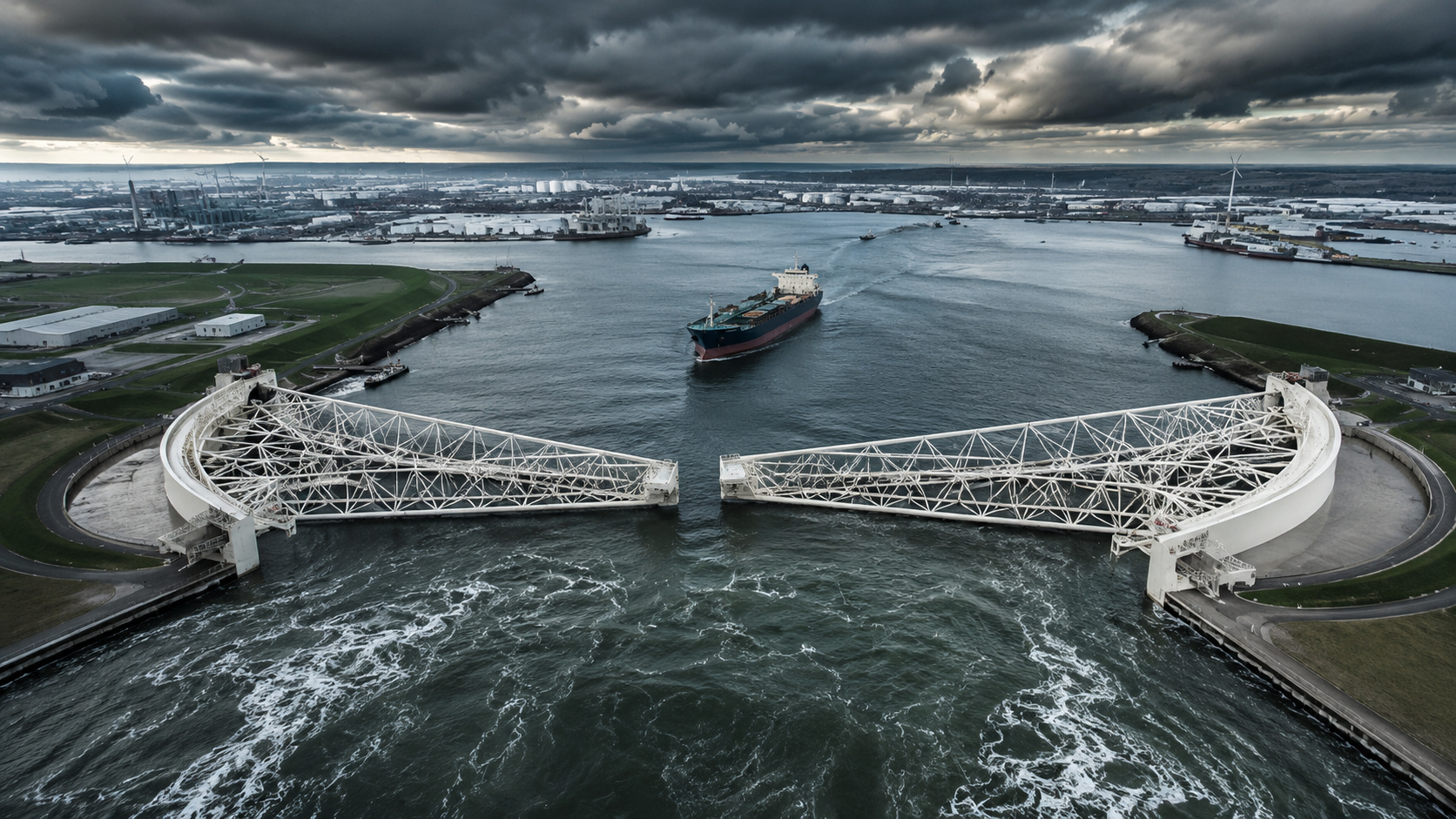
Coastal City Converts Part of Bay to Freshwater with 350-Meter Dam and Nine Gates to Prevent Flooding

-
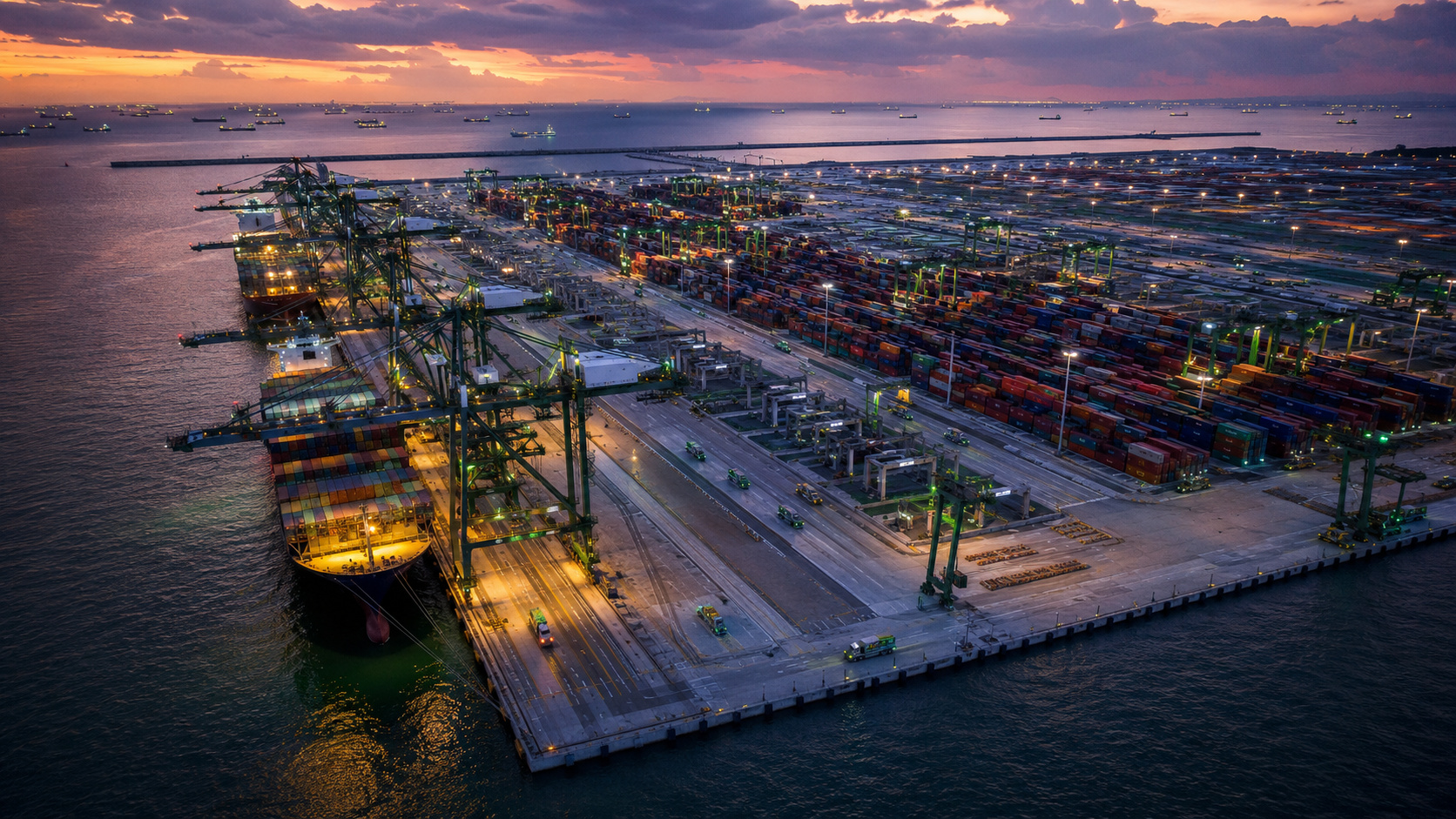
Singapore Expands into the Sea to Build 1,337-Hectare Port with 66 Berths, Electric Cranes, and Driverless Vehicles by 2040s
-
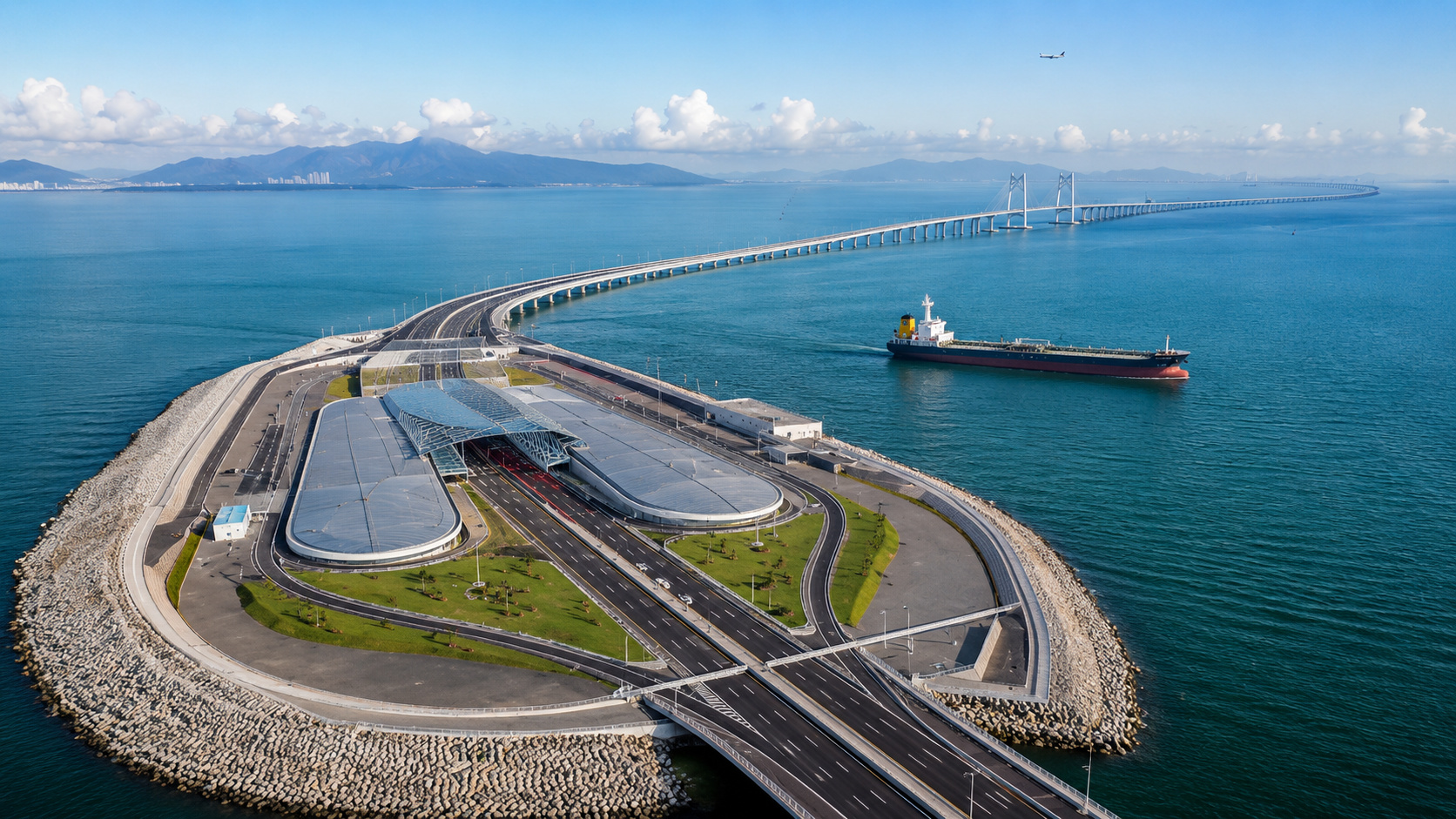
55 km Link Between Hong Kong, Zhuhai, and Macau Includes 33-Block Undersea Tunnel to Avoid Disrupting Ships and Planes
-
Giant Ship Appears to Sink as It Takes on Water to Load 91,000-Ton Platform from China to Rio de Janeiro

The ship carried real cargo across the Atlantic and showed how wind can aid maritime transport
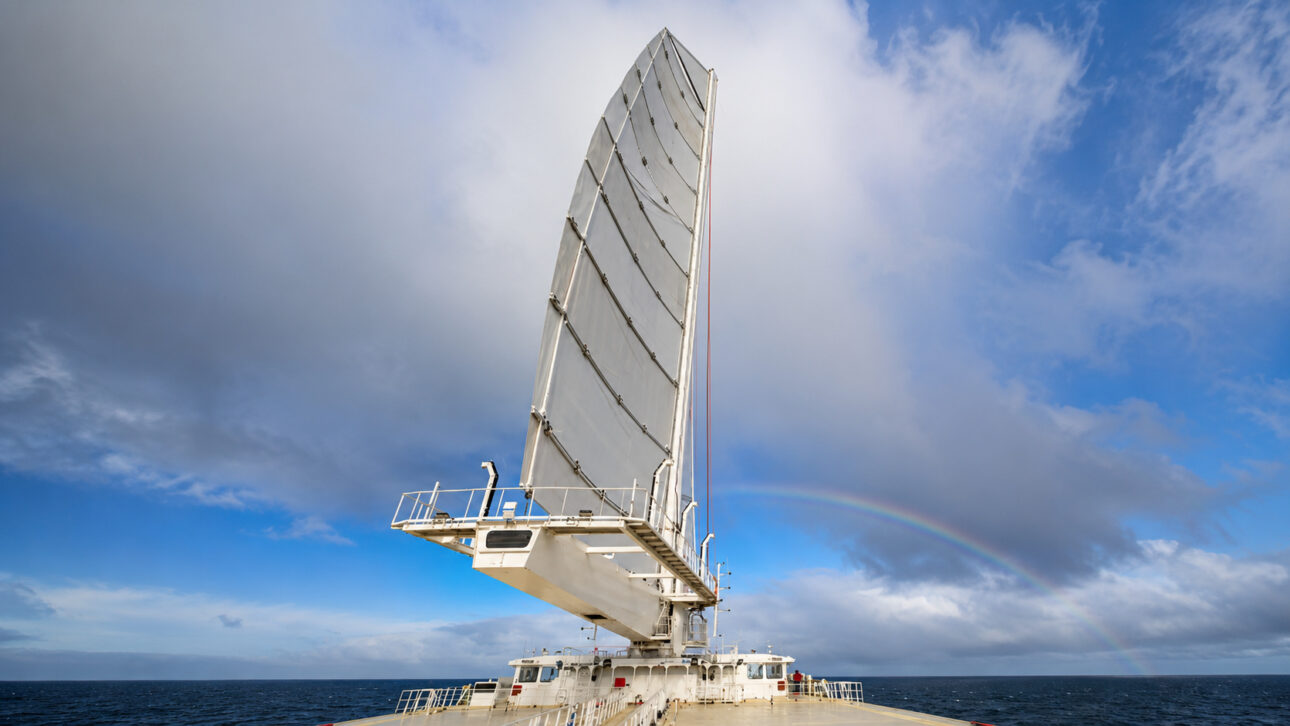
The Neoliner Origin is not an old ship refurbished to look historic. It is a modern cargo ship, built to transport goods and equipped with two giant sails made of durable materials.
These sails help push the ship when the wind is favorable. Thus, the engine works less, and diesel consumption can decrease during part of the journey.
The vessel carried 1,204 tons of cargo, including Hennessy cognac bottles, refrigerated French brioches, forklifts, and Renault hybrid cars. The main point is in the operation: commercial cargo crossing the ocean with wind support.
Giant sails do not replace the entire engine, but reduce diesel dependency
The ship also uses a support electric diesel engine. In simple words, this means that the cargo ship does not rely solely on the sails to move.
When the wind helps, the sails take on part of the effort. When the sea changes, the engine steps in to maintain the route, safety, and control of the vessel.
During the crossing, the engine operated at 20% to 50% of its capacity. This data shows that the sails were not there just as a visual symbol, but as part of the propulsion system.
The Guardian detailed a sail failure during the inaugural voyage
The Guardian, a British newspaper of news and international reports, detailed that one of the carbon sails had a part broken during the crossing. The failure left this sail unused for part of the journey and forced the crew to use the engine more.
This point is important because it avoids an exaggerated reading of the technology. The use of giant sails on modern cargo ships still requires testing, adjustments, and careful operation.
Even with the problem, the vessel arrived in Baltimore just one day later than expected. The estimate cited by the crew indicated a fuel consumption reduction of almost half compared to a conventional cargo ship, even with only one sail functioning and engine support.
The route depends on wind, weather forecast, and planning to work well
Using a sail on a modern cargo ship seems simple, but it is not. The ship needs to choose routes that best take advantage of the wind while maintaining safety for cargo, passengers, and crew.
The weather forecast also weighs heavily. If the wind does not appear as expected, the engine needs to compensate. Therefore, the technology works best when sails, engine, weather, and route are considered together.
In maritime transport, regularity is essential. A cargo ship needs to reach its destination with preserved cargo and controlled timing. Therefore, the wind helps but does not eliminate the need for an engine.
The naval industry tries to cut emissions without stopping sea trade
Maritime transport moves a large part of the goods circulating around the world. Therefore, any reduction in diesel use may interest companies, ports, logistics operators, and governments.
The use of modern sails comes as an alternative to spend less fuel on specific routes. The proposal does not mean abandoning engines altogether, but reducing their dependency when there are wind conditions.
The size of the freighter shows progress, but also reveals limits for major routes
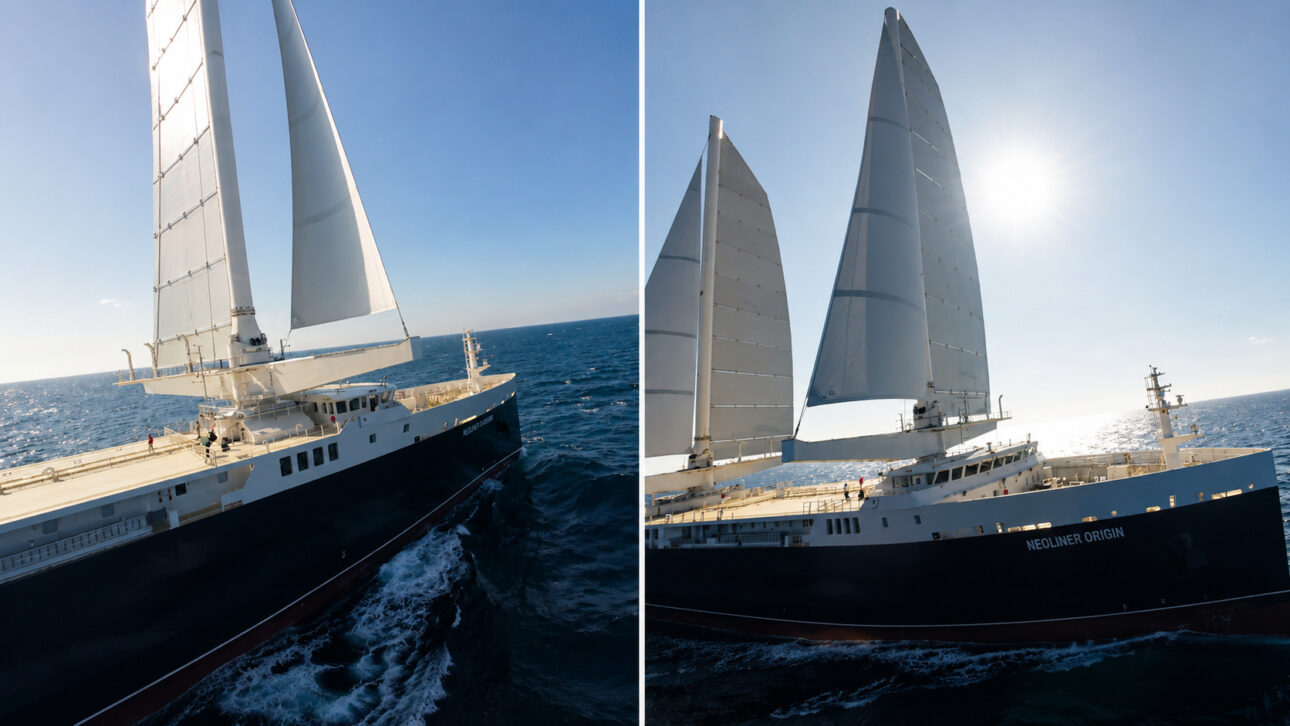
The Neoliner Origin is 136 meters long. It appears as one of the most visible examples of this new generation of wind-assisted cargo ships.
Even so, there is a practical limit. Large ships used in international trade can be much larger, and transporting the same volume of cargo with smaller vessels would require more trips or more ships.
This is the central point of the discussion: the technology is promising, but it needs to prove cost, scale, and reliability. At sea, it’s not enough to save diesel. The ship also needs to load well, follow the route, and operate safely.
Wind has returned to maritime transport, but now with modern engineering
The return of sails to cargo ships does not represent a simple return to the past. What changes is the use of wind with modern naval engineering, durable materials, and navigation system support.
The Neoliner Origin shows that diesel still plays an important role, but also shows that wind can become useful again in heavy logistics. On well-planned routes, sails can reduce part of the engine’s effort and help cut fuel.
The Atlantic crossing posed a practical question for the industry: if wind can move part of the cargo, how far can modern ships reduce diesel without losing safety, deadlines, and capacity?
Do you think cargo ships with giant sails can gain space in the ports of the future, or is this solution still too limited to compete with large diesel ships?