Portuguese
  Spanish


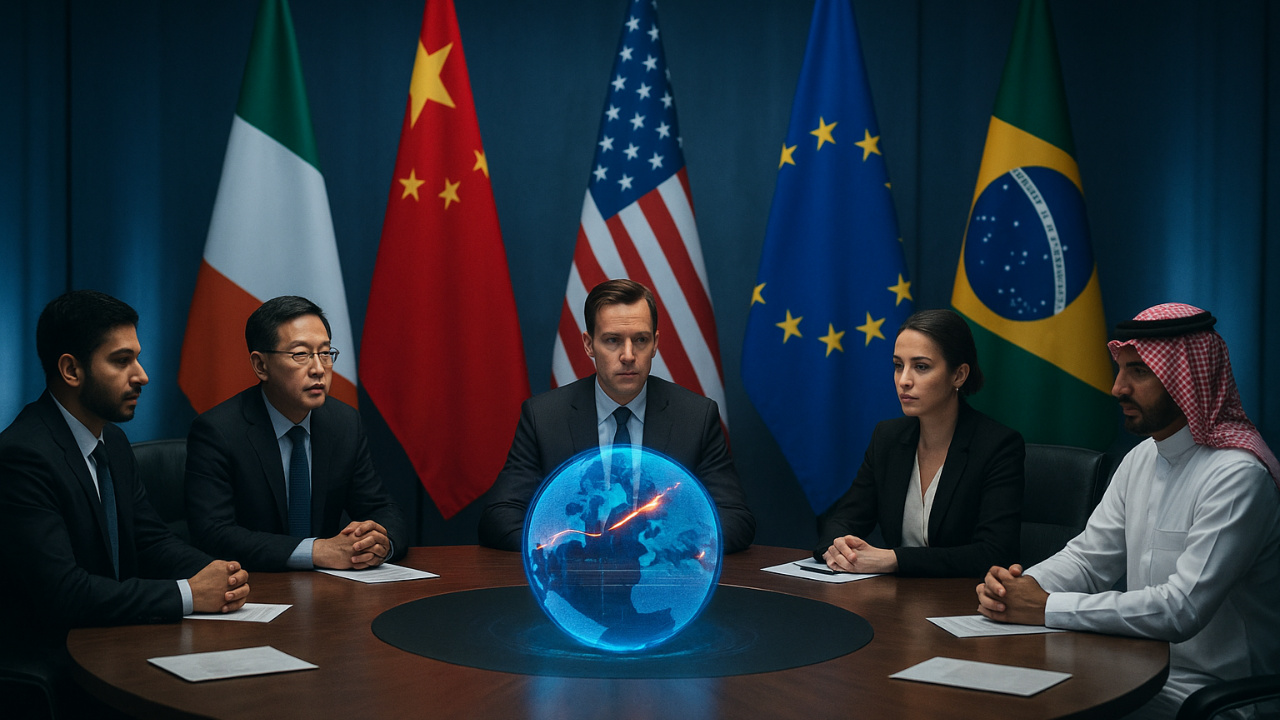

At COP30 Held in Belém, The Debate on the Energy Transition Reveals the Abyss Between Wealthy, Emerging, and Oil-Dependent Countries. Blocs Seek Strength in Strategic Alliances While Climate Financing Promises Remain Stalled.
During the COP30, Brazil has been trying to set a collaborative tone for climate negotiations. The head of negotiation from Itamaraty, Túlio Andrade, emphasized that the country seeks a “spirit of teamwork” among nations, a concept that has been reiterated behind the scenes of the conference.
“We observed that the spirit of teamwork has not only been mentioned several times by all delegations but has also been put into practice by all of them. There was a common understanding that we are finally transitioning from the negotiation phase to implementation,” Andrade stated.
In practice, discussions have been more open, but the differences between the blocs of countries remain deep—especially when the topic is oil, energy, and climate financing.
-
Brazil’s ANP Opens 86 New Oil Blocks in the Equatorial Margin, Expanding the Amazon River Mouth Frontier

-
OPEC+ Boosts Oil Supply by 188,000 Barrels per Day in July 2026, Leading to Price Drop from $112 to $89 per Barrel in Under Two Months

-
TotalEnergies Signs 20-Year Deal to Purchase 2 Million Tons of LNG from Alaska, Boosting Project Viability
-
Turkey Deploys Çağrı Bey Drilling Ship to Explore New Oil Frontier Off Somalia’s Coast
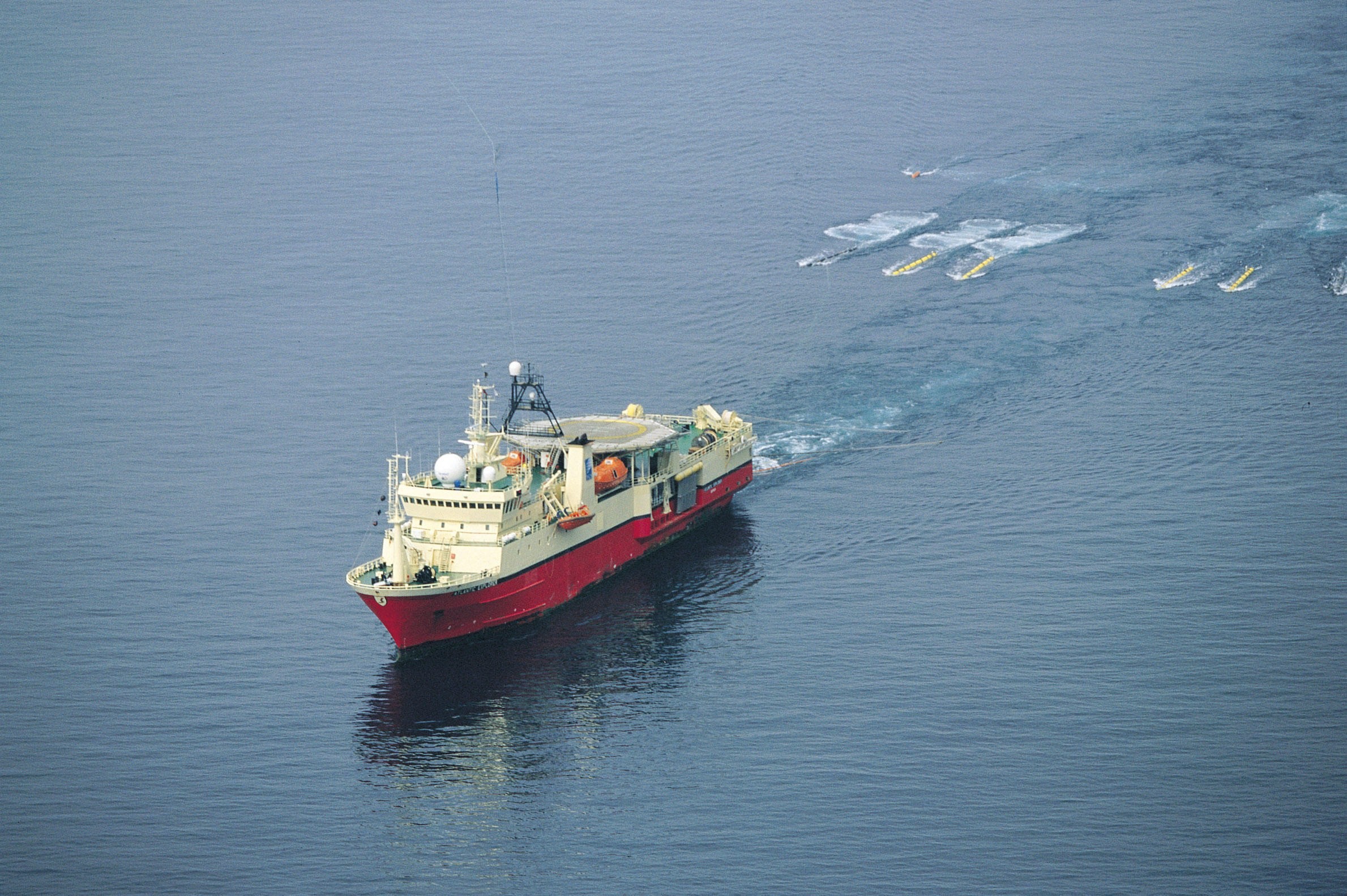



Power Blocs at COP30: Alliances and Disputes for the Energy Future
Although the official discourse advocates unity, the backstage of COP30 reveals intense lobbying among groups with opposing economic and environmental interests. According to the UNFCCC, there are 16 recognized blocs in the negotiations, with overlaps and their own strategies.
These groups have organized themselves to gain relevance around four key points of the climate agenda: financing, emission targets (NDCs), energy transition, and transparency in progress reports.
European Union: Climate Leadership with Financial Resistance
The European bloc presents itself as an environmental reference but faces criticism for its resistance to increasing promised financial transfers. At the previous COP in Baku, the European Union had committed to transferring US$ 300 billion annually to developing countries.
However, the total necessary to ensure effective climate adaptation is estimated at US$ 1.3 trillion—and Europeans do not intend to increase their contribution.
Moreover, environmental tariffs imposed by the EU have generated tension. Exporting countries complain about trade barriers related to carbon emissions and deforestation, which limit access to the European market. Still, Europeans show openness to negotiate targets and transparency mechanisms.
Emerging and Oil-Dependent Countries: The Strength of the Fossil Economy
Led by China and India, emerging countries that rely heavily on oil are uniting to avoid pressure on phasing out fossil fuels.
Countries such as Saudi Arabia and other oil producers view the fuel as an economic pillar and do not plan to abandon it in the short term.
As a strategy, these countries insist on calling for the climate fund of US$ 1.3 trillion, arguing that without this financial support, the energy transition would be unfeasible. At the same time, they seek to downplay discussions on emission reduction targets (NDCs), which are considered politically sensitive.
Southern Group: Mercosur Tries to Balance Economy and Environment
The Southern Group, which includes Mercosur countries—among them Brazil—seeks to build an image of environmental leadership. The bloc supports emerging countries in their demands for financing but aims to differentiate itself by proposing more robust emission reductions.
For the Brazilian government, the strategy is to show the world that it is possible to grow economically without giving up sustainability. Still, internally, the country faces criticism for maintaining investments in oil exploration, creating contradictions in the environmentalist discourse.
Small Island States: The Ethical Appeal of Those Who May Disappear
Composed of highly vulnerable island nations, the group of Small Island States has been one of the most emphatic in the plenaries. With the rising sea levels, these countries face the risk of physically disappearing from the map.
Although they have little economic weight, they use the moral strength of their situation to constrain the great powers. Their emotionally charged speeches serve as a constant reminder that time is running out for those already experiencing the extreme effects of the climate crisis.
Least Developed Countries: Between Climate Urgency and Financial Dependency
The group of Least Developed Countries (LDCs) represents the most fragile portion of the planet. With weak economies and precarious infrastructure, they rely almost entirely on external financing to deal with droughts, floods, and other extreme events.
Like the island nations, the LDCs appeal to the ethical side of the debate, emphasizing that they are the biggest victims of a problem they did not create. The group demands greater responsibility from wealthy countries and more transparency in financial transfer mechanisms.
Latin Americans and Caribbeans: More Ambitious Targets and the Search for Protagonism
Under the leadership of Colombia, the Latin American and Caribbean bloc seeks to stand out in negotiations by proposing bolder emission reduction targets. The region advocates for a just energy transition with reduced reliance on oil but emphasizes that it needs technical and financial support to achieve this goal.
Africa and the Alliance with Emerging Powers
African countries, in turn, face a similar dilemma: they suffer from climatic impacts and depend on external aid but are also coming closer to India and China on strategic issues.
This geopolitical alliance has given greater weight to African demands but has also sparked criticism for prioritizing economic agreements over global climate targets.
It is worth noting that COP30 reinforces that, even in the face of climate urgency, oil remains a dividing line. On one side, wealthy countries push for stricter targets. On the other, emerging and fossil fuel-producing countries argue that the transition must respect the pace of each economy.
While Brazil tries to keep the dialogue open, the challenge of reconciling development, energy sovereignty, and sustainability remains the biggest obstacle to a global consensus.