






 Portuguese
  Spanish


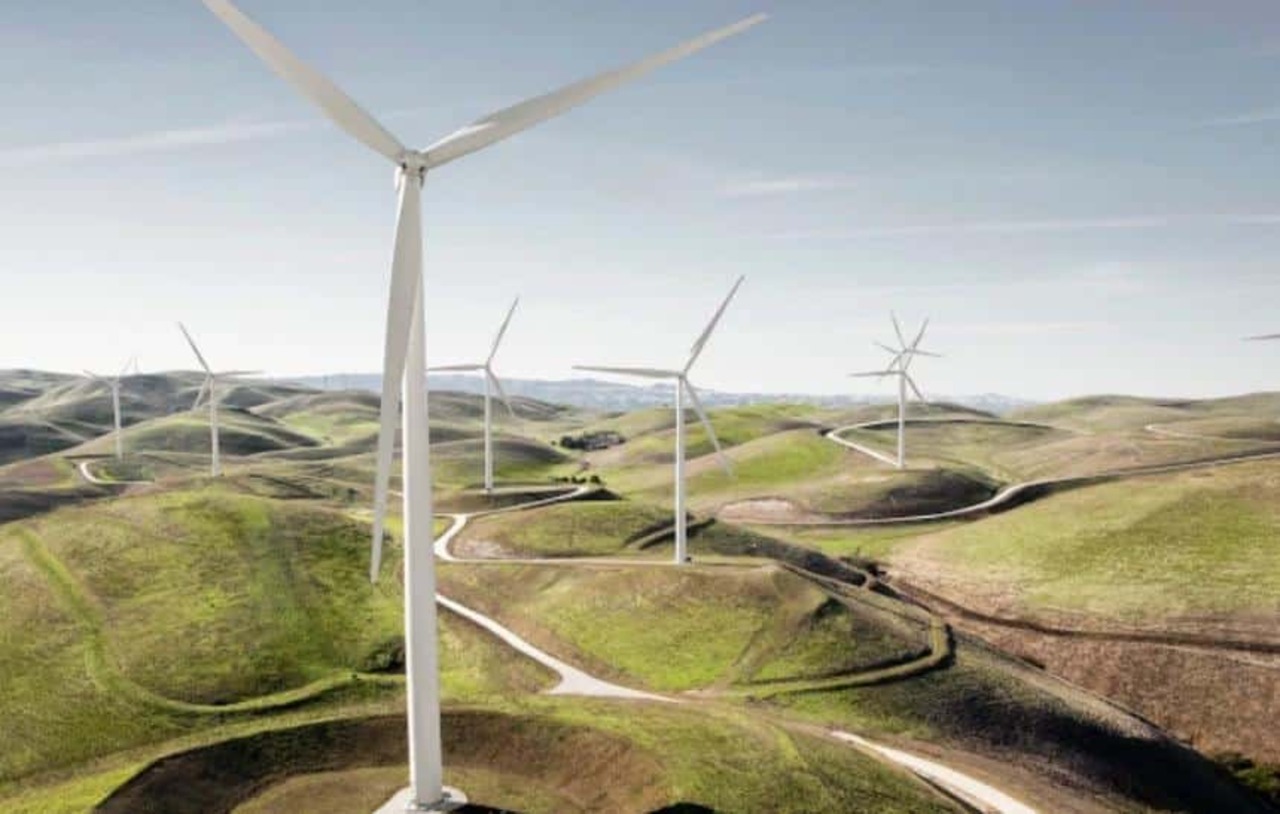

The Electricity Utility of the State of Paraná, Copel, Implemented Artificial Intelligence – AI in Wind Energy Production Forecasting.
Copel Generation and Transmission has implemented the WindFor artificial intelligence solution, from the Danish software developer Enfor, for forecasting the 590.5 MW of installed capacity across the four wind energy complexes that the company operates in Rio Grande do Norte.
See Also
Harnessing the Power of Artificial Intelligence in Wind Energy
Using artificial intelligence – AI, the tool will indicate up to 12 days in advance how much wind energy can be produced with the 264 wind turbines of these complexes.
The projections are expected to assist in the operational planning for increasing production at these wind farms and in scheduling maintenance downtime during less favorable periods for electricity generation.
-
Brazilian scientists are simultaneously advancing two research projects on clean hydrogen and driving solutions that could transform the energy matrix, enhance industrial competitiveness, and accelerate large-scale emission reduction targets.

-
Advancement in renewable energy: A R$ 150 million project launched by Petrobras and Finep aims to create state-of-the-art electrolyzers for green hydrogen, strengthening national research and preparing Brazil to compete in a billion-dollar energy market.
-
Illiterate or semi-literate grandmothers were trained to repair solar systems, open rural workshops, and light up homes that still depended on kerosene.
-
The world has bet on green hydrogen as the fuel of the future, but now faces the side effect: producing 1 kilogram requires about 9 liters of ultrapure water, and the largest projects on the planet are precisely in the driest regions of the Earth, where water is already scarce for people.





The artificial intelligence solution is part of a broader and ongoing plan to improve the performance of the company’s wind generation assets. The wind energy project, valued at R$ 2.2 million (US $ 0.4 million), is implementing three independent tools that will be integrated. The first tool, which has been in use at Copel since October 2019, focuses on assessing wind energy flow in wind farm projects.
The third component is an online platform to evaluate and manage the performance of wind turbines and wind farms in real time. The platform was introduced in the Brisa Potiguar and São Bento complexes in October, with plans for expansion to the Cutia and Bento Miguel complexes in 2021.
Copel Manager States That Opting for Artificial Intelligence Is Safe and Reliable
Thadeu Silva, Director of Operations and Maintenance at Copel GeT, states that the management of wind assets should be based on three main pillars: the availability of wind turbines, the availability of the plant’s balance, that is, networks, substations, etc., and the conversion rate of wind resources into electricity.
“The artificial intelligence technology acquired in this project will support Copel’s analyses and ensure that our assets operate at their optimal level. Our goal is to position our wind farms among the best in terms of capacity factor.”
The system will collect data directly from the wind farms with monitoring and real-time reporting to enhance decision-making and reliability. In addition to monitoring the entire farm, data from individual turbines will allow for the detection of deviations from design parameters and potential emerging maintenance issues.









