






 Portuguese
  Spanish


Batagay Crater In Siberia Rapidly Grows And Releases 5,000 Tons Of CO₂ Per Year, Warning About The Impact Of Global Warming
A giant ray-shaped crater continues to grow in Siberia. Despite its terrifying appearance, it is not a sign of some supernatural danger, but rather a very real threat: global warming.
An Impressive Growth Of The Crater
The Batagay Crater has alarmingly increased in size over the past three decades. Satellite images released by the U.S. Geological Survey show that the structure has more than tripled in size since 1991.

According to a study published on June 15, 2024, in the journal Geomorphology, the hole is growing at a rate of one million cubic meters per year. Viewed from above, it resembles the outline of a creature, but it is the result of natural processes accelerated by climate change.
-
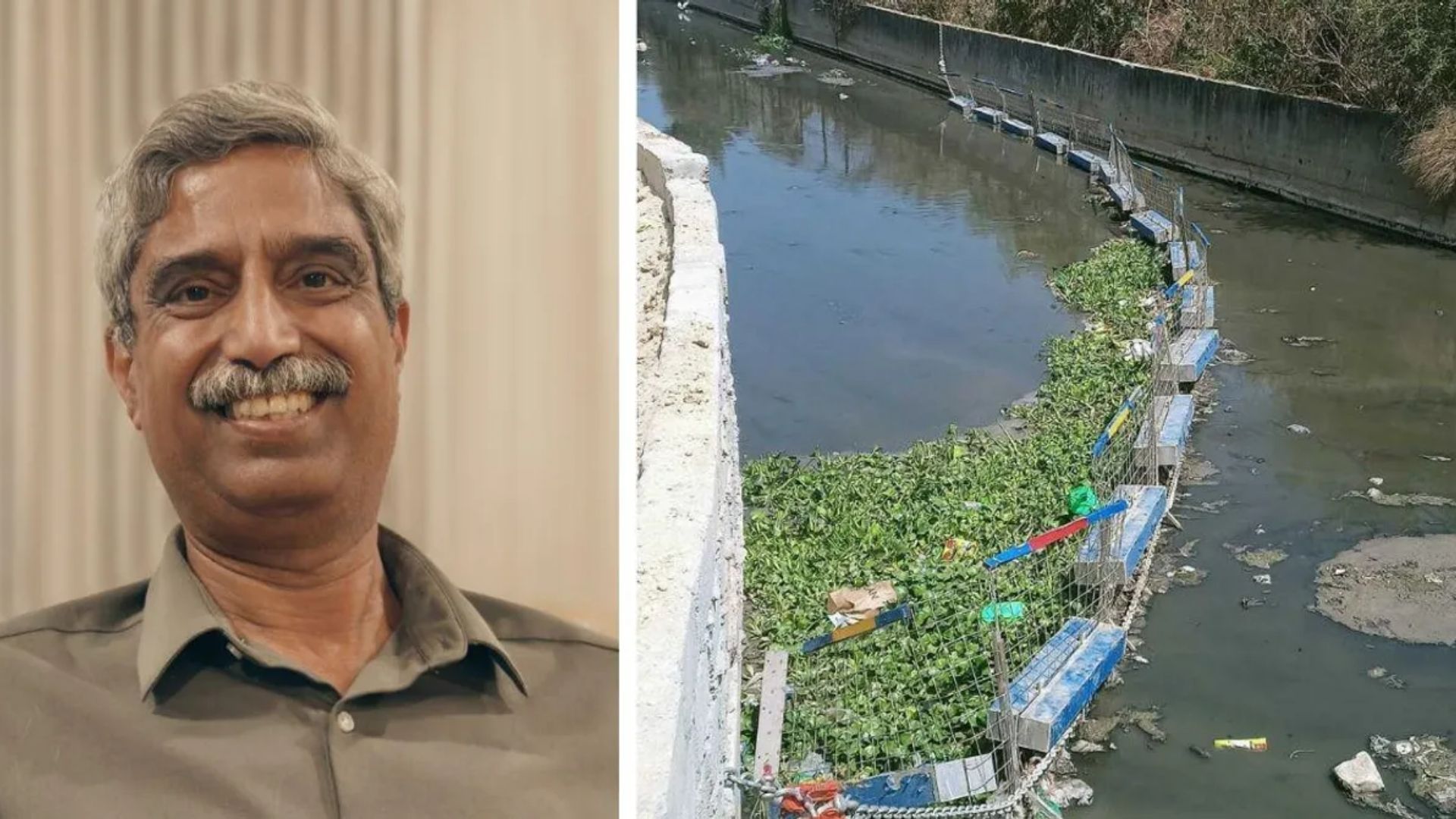
Former Merchant Marine Captain Invents Fuel-Free Barrier, Removes 20,000 Tons of Trash from Chennai Rivers

-
14-Year-Old Maxim Harris Turns School Project into Anti-Rage Gaming Accessory, Sells 1,000 Units Across 46 U.S. States, Donates 20% of Profits to Charity
-
Brazilian Health Agency Approves First Oral Medication for Cancer Patients
-
11-Year-Old Boy and His Mother Discover 1.8-Million-Year-Old Elephant Tooth on English Beach Eroded by the Sea





What Is Permafrost?
The crater is formed by the melting of permafrost — a type of frozen soil that, in theory, should remain so permanently. The term, derived from the English “permanently frozen,” describes a soil rich in organic matter, such as plant and animal remains trapped for thousands of years.
However, global warming is melting this soil, causing subsidence and widening the hole. The website ScienceAlert, in an article reproduced by Business Insider, explains that the melting causes the edges of the crater to collapse, expanding the cavity year after year.
Global Environmental Risk
Besides transforming the local landscape, the melting of permafrost has a much more concerning consequence: the release of greenhouse gases.
When frozen organic matter begins to decompose, it releases carbon dioxide (CO₂) and methane (CH₄), two of the main contributors to global warming.
It’s a vicious cycle. The melting releases more gases, which further warm the atmosphere, accelerating the melting. This process is considered a “tipping point” by many climate experts.
According to research published in June 2024, the Batagay Crater emits about 5,000 tons of CO₂ per year. The portal ScienceAlert compares this volume of carbon emissions to approximately 2,000 households in the United States during the same period.
What Could Happen If Permafrost Disappears?
Today, permafrost covers about 15% of the Northern Hemisphere. If it were completely removed, the amount of CO₂ released would be enormous, intensifying global warming to unprecedented levels.
For experts, this scenario calls for urgent measures to curb the rise in global temperatures. Otherwise, events like the growth of the Batagay Crater will become more common — and with increasingly severe consequences for the planet.
Information from Science & Vie.




Cala a boca seu viado Vick Crazy, cale o ânus vigarista right now. Cale o **** vigarista Vick Crazy. Viado Vick Crazy I don’t believe in cheese Crazy.
O aquecimento não é produzido pelos gases mas os gases aumentam com a temperatura isso é a grande farsa globalista
O que tem lá em baixo do perma frost mesmo? Animais mortos e plantas em decomposição…. Como eles chegaram lá? Ou melhor… Quando? Talvez o perma frost não seja tão permanente assim né…. Talvez sejam ciclos glaciais da terra?