






 Portuguese
  Spanish
 3 min of reading
  0 comments


Quaest Research Reveals That the Number of Brazilians Favorable to Oil Exploration in the Equatorial Margin Rose to 42%, While the Opponents Dropped to 49%. The Survey Takes Place During COP30 in Belém and Reflects Changes in Public Perception about Energy and the Environment.
A new survey by Quaest Consulting shows that Brazilians’ perception of oil exploration in the equatorial margin is changing. According to the data, the percentage of people opposed to the activity decreased from 70% to 49%, while those in favor increased from 26% to 42%.
The survey, commissioned by Genial Investimentos, interviewed 2,004 Brazilians aged 16 and over from November 6 to 9. The margin of error is two percentage points, which reinforces the consistency of the results. This shift in opinion indicates a more balanced debate about the role of oil in the country’s energy transition.
Decrease in Rejection Shows a Scenario of Greater Acceptance of Oil
In October, public resistance to oil exploration in the Brazilian equatorial margin was overwhelmingly majority, at 70%. Now, the data indicates a significant advancement in understanding the issue, reaching 49%. The 21 percentage point reduction among those who identify as opponents may be linked to the expansion of discussions about energy security and investments in the sector.
-
Oil production grows in Rio, but reserve replacement raises a warning sign

-
Petrobras is expected to complete the drilling of the Morpho well in the Foz do Amazonas in August 2026, the first well in the Equatorial Margin, an oil frontier that the ANP estimates at more than 30 billion barrels and could redraw the map of Brazil.

-
Oil returns to the center of concerns with tension between the US and Iran

-
IEA reduces forecast for global oil demand in 2026 after impacts of the Middle East crisis
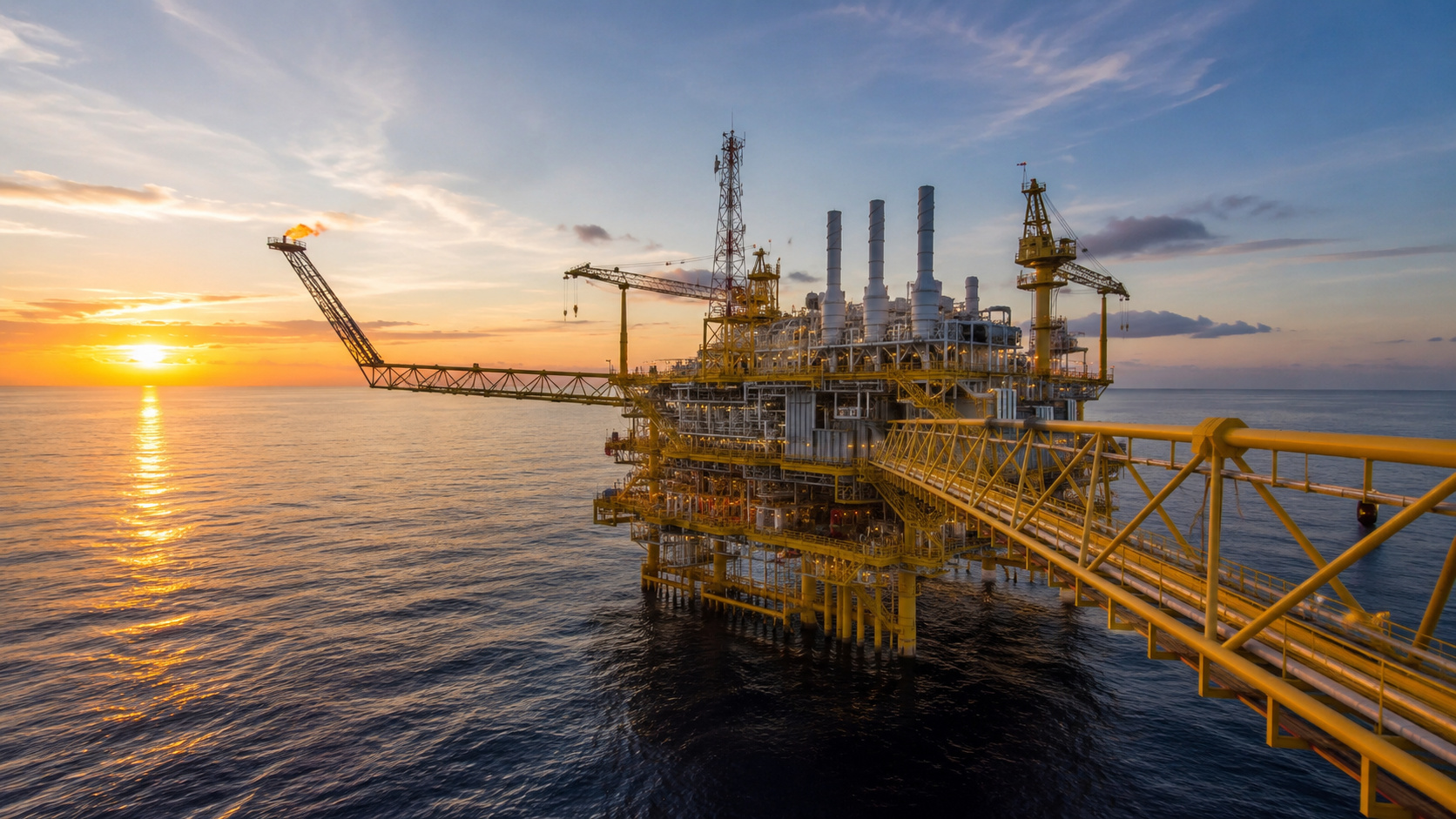


Furthermore, the increase in the number of supporters suggests that part of the population sees oil as an economic opportunity, especially for the North and Northeast regions, where areas with exploration potential are located. The equatorial margin encompasses five sedimentary basins—between Amapá and Rio Grande do Norte—and is considered one of the last exploratory frontiers of the country.
COP30 in Belém Reinforces Debate on Energy and Sustainability
The release of the survey occurs in the same week that Brazil hosts COP30 in Belém (PA). The event, which started on Monday (10), places the country at the center of global discussions about climate change, environmental preservation, and energy transition.
According to Quaest, 41% of respondents believe that hosting the conference will yield positive results for Brazil, while another 41% assess that the event will not make a significant difference. This tie reveals a divided perception about the direct impact of climate policies on the daily lives of Brazilians.
Survey Reflects Tension Between Development and Environmental Preservation
The change in opinion regarding oil exploration in the equatorial margin reflects a growing dilemma: how to balance the pursuit of economic development with the need to protect the environment.
In recent months, the topic has gained traction in political and economic debate, especially after the federal government expressed interest in evaluating the technical viability of exploration in the region. Although environmentalists advocate caution regarding risks to marine biodiversity, sectors of the energy industry argue that oil is still essential for the country’s energy security and for financing the transition to renewable sources.
The Quaest survey arrives at a crucial moment when Brazil is trying to consolidate its position as a global leader in clean energy without giving up the economic potential of oil.
With a more divided and informed population, decisions regarding exploration and environmental licensing are likely to become even more strategic. The survey reinforces that the topic is not just technical but also social and political, reflecting the different expectations of the country in the face of a new phase of energy transition.






Be the first to react!