





 Portuguese
  English
  Spanish
  5 min of reading
  0 comments


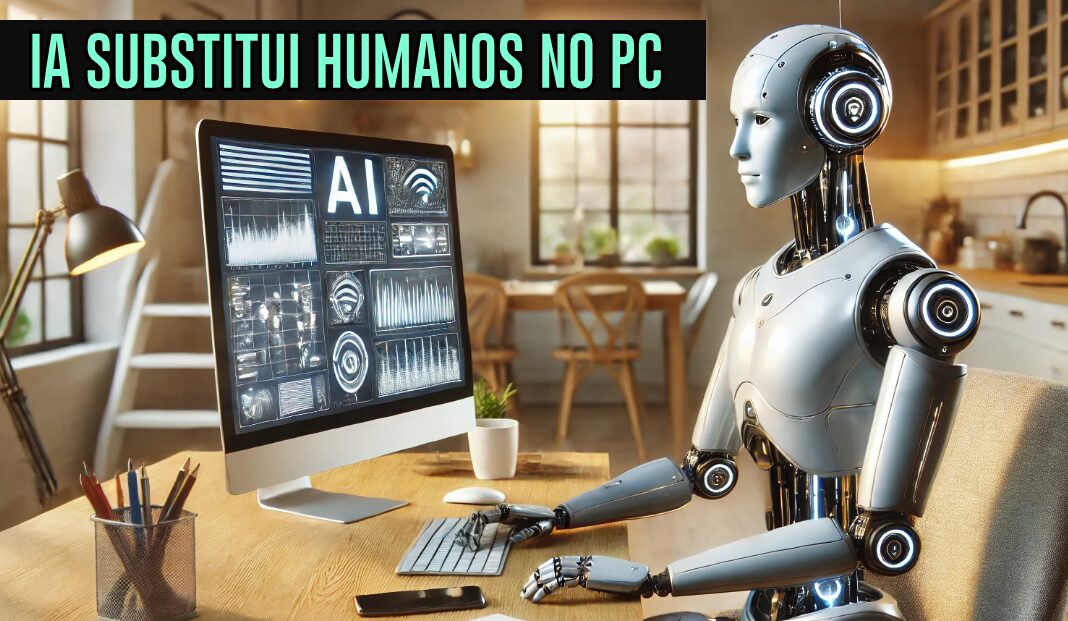
A Revolutionary AI Has Been Created to Imitate Human Actions on the Computer, from Clicking Buttons to Typing Texts. Discover How This Innovation Can Transform the Job Market and Potentially Replace Humans in Daily Tasks!
Recently, Anthropic, a technology company specialized in artificial intelligence, made a significant announcement that promises to impact the market for automation and digital productivity. After months of development, the Claude 3.5 Sonnet has been launched, an AI model that can directly interact with applications on your computer.
With this update, Anthropic joins the race for technology capable of automating processes that previously relied solely on human intervention.
The novelty brings to light the concept of AI agents, which are automated systems capable of performing various tasks on computers, such as sending emails, browsing the internet, and even using complex software.
-
Netflix announces TikTok-style vertical feed and expands the use of AI in recommendations, content creation, and advertising, revealing a new strategy to transform the streaming experience.

-
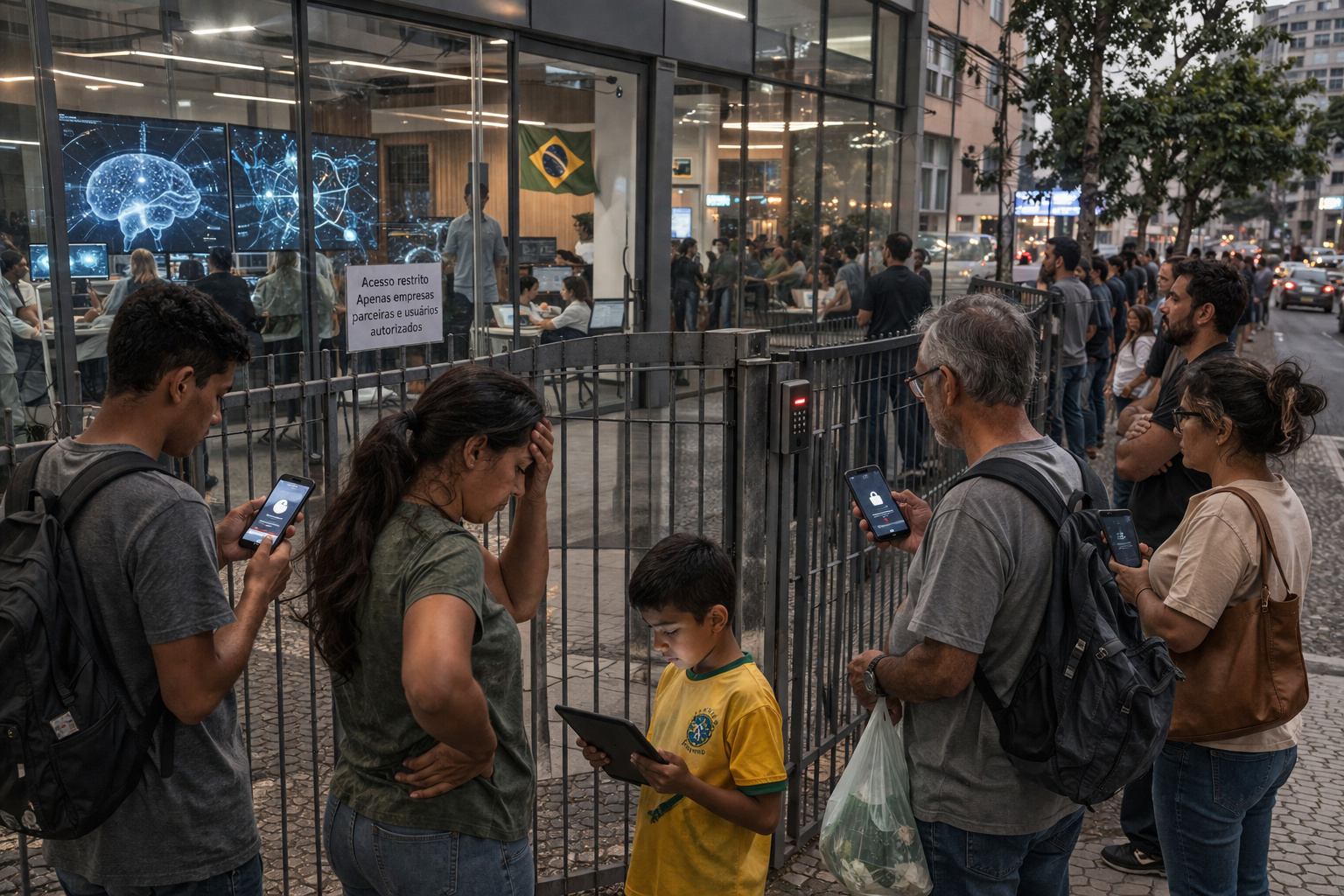
As technology giants close increasingly powerful and strategic artificial intelligence models, Brazil risks being left out of the era of superintelligent AI and losing competitiveness in critical sectors such as the economy, defense, and innovation.
-
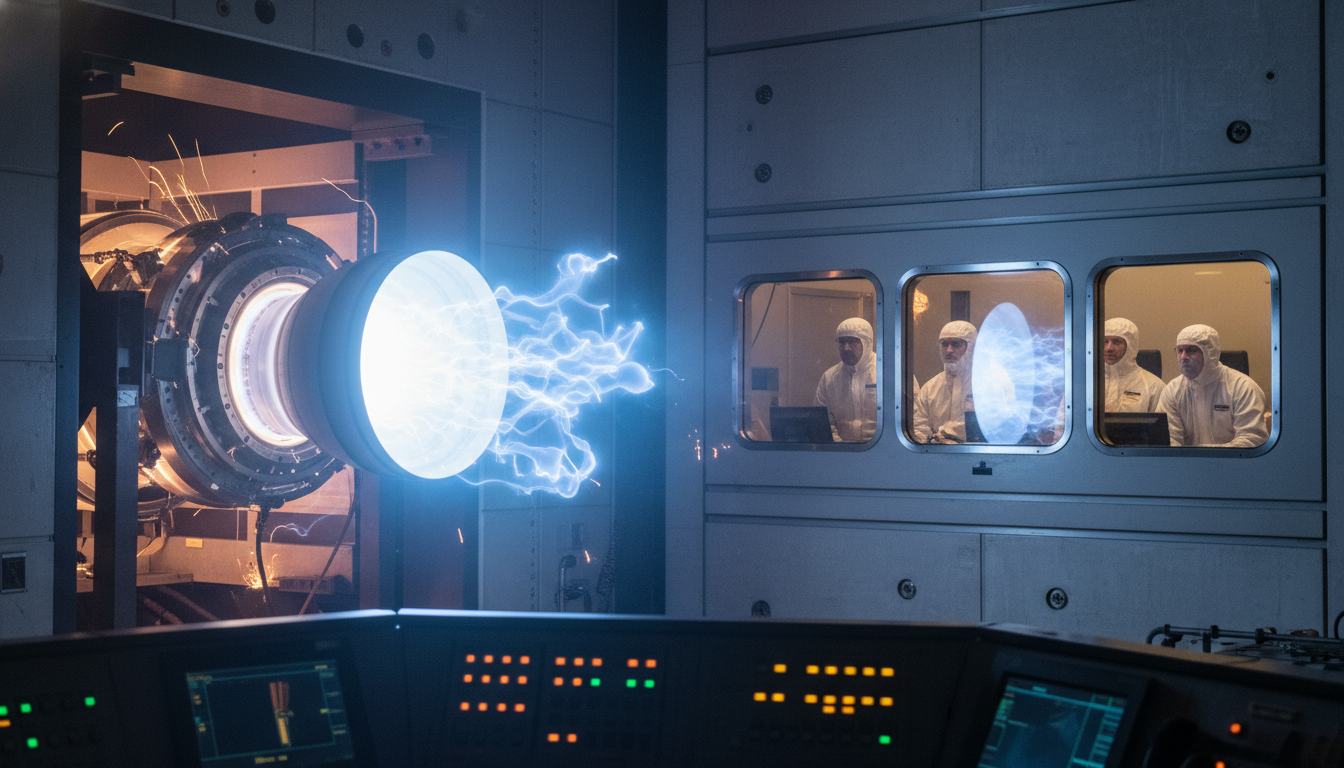
A British startup has just done what no private company has achieved before: igniting plasma inside a nuclear fusion-powered rocket engine, and if it works at scale, trips to Mars could take weeks instead of months.
-
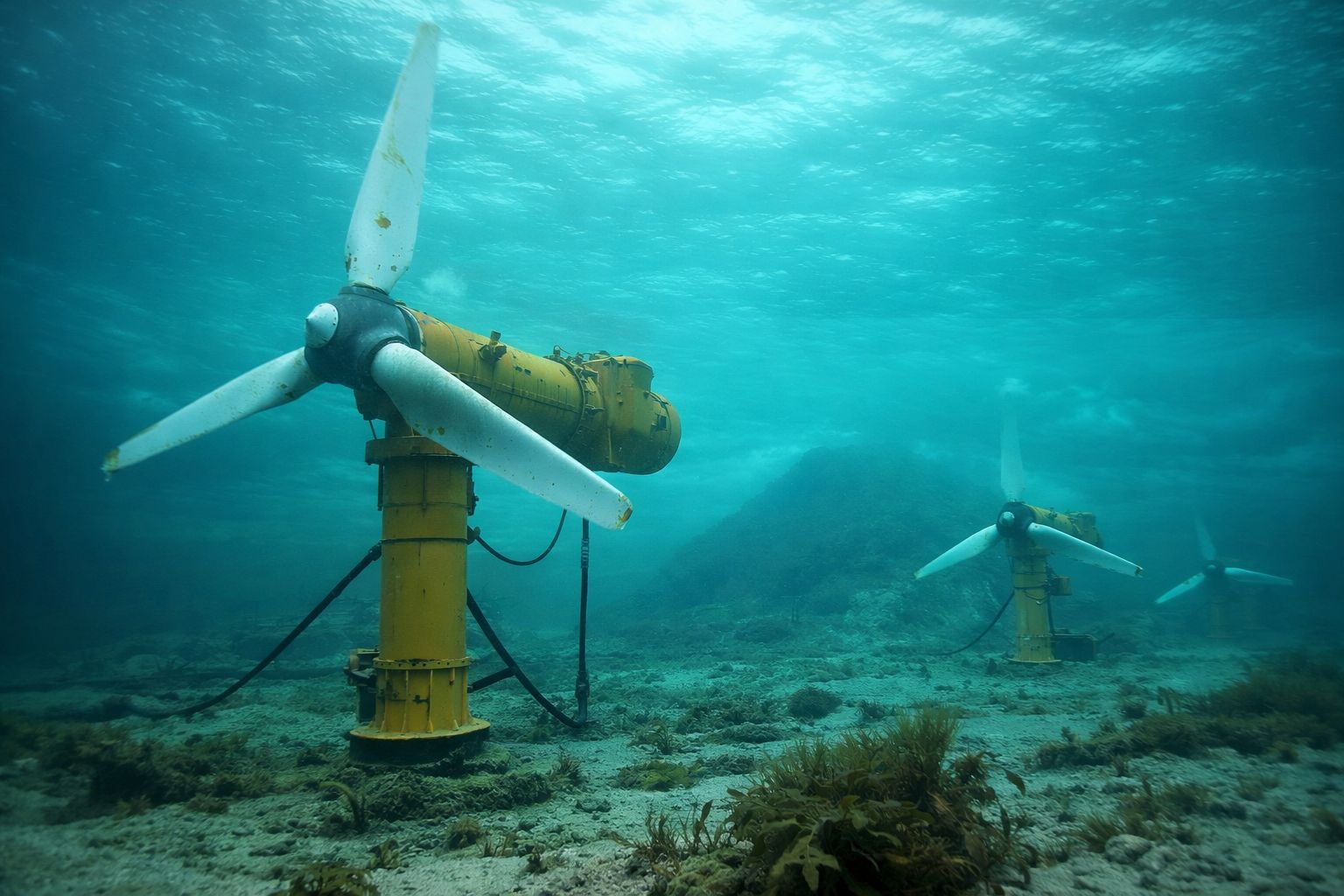
An Italian company has created an underwater drone that lives on the ocean floor for 12 consecutive months without returning to the surface, and the embedded artificial intelligence allows it to inspect and repair oil pipelines on its own.

With the support of a new API called “Computer Use,” the Claude 3.5 Sonnet can emulate human actions, such as clicking buttons, moving the cursor, and typing texts. According to the company, this advancement paves the way for the model to be used for practical daily tasks, enhancing the automation of various back-office activities.

The Potential of AI Automation
Anthropic’s promise is that this new technology can transform, on a large scale, the way we handle administrative tasks. The goal is for Claude 3.5 Sonnet to automate repetitive processes, such as filling out forms, responding to emails, and navigating business systems.
Although task automation tools have existed for years, Anthropic assures that its solution is more robust and integrated, allowing developers to test and implement the system in different environments.
Anthropic claims that Claude 3.5 Sonnet is more than just a conventional AI model. It has the ability to interpret what happens on a computer screen and make decisions based on that information.
The model has been trained to understand screenshots and perform specific actions, such as moving the mouse to a certain point and clicking in the right place, without the need for continuous supervision.
However, this technology still faces challenges. Despite the advancement, the model is not infallible. Tests conducted by Anthropic itself show that Sonnet 3.5 struggles with tasks like scrolling pages and executing precision commands.
The company recommends that developers use the model, initially, for low-risk tasks until further improvements can be made.
Applications and Limitations
Companies already investing in process automation see Claude 3.5 Sonnet as a promising tool for simplifying daily operations. Various companies, like Canva and the development platform Replit, have already started testing the solution in their systems.
Replit, for example, created an autonomous checker capable of evaluating the quality of applications in development. Canva is studying how AI can assist in the design and content editing process, providing automated support for designers.
However, the technology also raises questions about security and ethical use. Anthropic admitted that prolonged use of Claude 3.5 Sonnet can be risky, especially in situations involving sensitive data or critical interactions.
During testing, the model failed to complete complex tasks, such as modifying flight reservations, successfully accomplishing less than half of the attempts. In other words, Claude 3.5 Sonnet is still far from fully replacing human action in critical activities.
Moreover, concerns regarding cybersecurity have also been raised. Anthropic acknowledges that an AI model with access to desktop applications could be exploited for malicious purposes. This includes the risk of accessing personal information or exploiting vulnerabilities in software.
The company claims it has taken preventive measures to mitigate these risks, including limiting access to certain resources and creating classifiers that identify and block potentially dangerous actions.
Despite the limitations, Anthropic believes that the launch of Claude 3.5 Sonnet is an important step toward the future of intelligent automation. The company sees the model as a foundation for learning from mistakes and improving technology over time.
AI and the Corporate Market
The AI automation market is rapidly expanding, with companies from various sectors investing billions of dollars in the development of AI agents. According to a recent Capgemini survey, 10% of global organizations already use AI agents in their operations, and another 82% plan to adopt this technology in the next three years.
Companies like Salesforce and Microsoft are at the forefront of this movement, offering AI solutions to automate workflows and improve efficiency.
OpenAI, one of Anthropic’s main competitors, is also developing its own line of AI agents, with expectations that this technology will advance toward what is referred to as “superintelligent AI.” However, Anthropic believes that its model stands out for its robustness and self-learning ability, autonomously correcting errors and adjusting its actions as needed.
Risks and Ethical Challenges
Although the potential for automation is undeniable, implementing AI agents also brings ethical challenges. A recent study showed that AI models can be “fooled” into performing harmful activities, such as illicitly obtaining personal information.
This raises concerns about how to ensure that these tools are used ethically and responsibly, especially in corporate environments where sensitive data is at stake.
Anthropic argues that it is taking all necessary precautions to ensure the safe use of Claude 3.5 Sonnet. In addition to limiting access to critical websites and applications, the company retains screenshots captured by the model for at least 30 days, allowing for the detection of any malicious behavior. Despite these measures, Anthropic acknowledges that there are no foolproof guarantees of security.
To tackle these challenges, Anthropic is collaborating with regulatory bodies and security institutes dedicated to assessing the risks of AI models. The US AI Safety Institute and the UK Safety Institute are among the entities that tested Claude 3.5 Sonnet before its public release.
The company has also assured that it is prepared to continuously review its security measures and adjust them as necessary.
The Future of AI with Anthropic
In addition to the launch of Claude 3.5 Sonnet, Anthropic also announced an updated version of its more accessible model, Claude 3.5 Haiku.
Scheduled for the coming weeks, Haiku promises the same level of performance as more advanced models but at a reduced cost and greater speed. This version will initially be released as a text model, with future updates allowing for image analysis.
With this advancement, Anthropic aims to make its AI solutions more accessible to small and medium-sized enterprises that can benefit from automation without the high costs of traditional tools. The goal is to democratize access to cutting-edge technology and facilitate the integration of AI into different areas of the market.
In summary, Anthropic is positioning itself as one of the leaders in the digital automation revolution. The company believes that its innovations in AI have the potential to transform the economy and the way businesses operate, offering smarter and more efficient solutions.









Seja o primeiro a reagir!