






 Portuguese
  Spanish


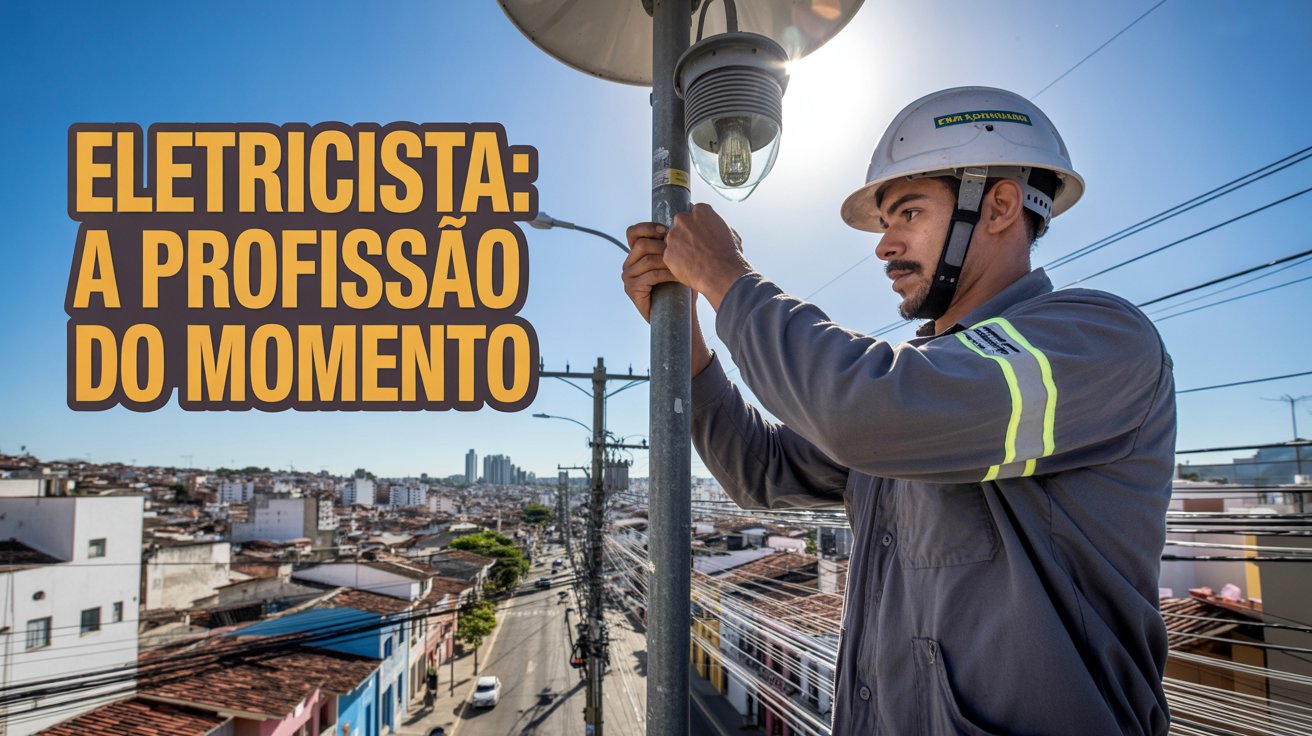

The Technical Training in Electrician Stands Out for the High Demand in the Market and Attractive Salary, but Little Is Known About the Free Opportunities and the Impact of New Technologies on the Future of the Brazilian Electricity Sector.
The demand for technical courses has increased significantly in Brazil, driven by the market’s need for qualified and skilled professionals in a short period.
Among the highlighted areas, the electrician course has gained relevance, especially due to its high employability and attractive remuneration, which reaches an average of R$ 5 thousand per month, according to updated data for 2025.
CPFL Energia, one of the largest electric utility companies in the country, is accepting applications for the Electrician Training Course that is 100% free in several cities in the state of São Paulo, aiming to address the shortage of skilled labor.
-
At 14 years old, she worked in a factory in Hong Kong, studied economics abroad, and then entered the Chinese real estate market, which helped change the landscape of Beijing.

-
While NATO secured more than $10 billion in missiles and space surveillance at a single forum, Brazil still spends 1.1% of its GDP on defense and is stalling its own anti-aircraft system.

-
Corn ethanol attracts R$ 23 billion in 21 new plants and prepares for a nearly 50% jump in Brazilian production by 2027, even with high interest rates.
-
A newly opened terminal in the middle of the Amazon has begun transporting soy and corn through Amapá, eyeing the queue of ships that is congesting the ports in the South.


The Growing Demand for Technical Courses and High Employability
The growth of technical courses is directly linked to the labor market’s need for practical professionals prepared to work in essential sectors, such as industry and electrical infrastructure.
According to a recent survey by the National Service of Industrial Learning (Senai), about 84.4% of students who graduate from technical courses find employment within a year after completion.
This data reinforces the effectiveness of this type of training for those seeking quick and secure entry into the job market.
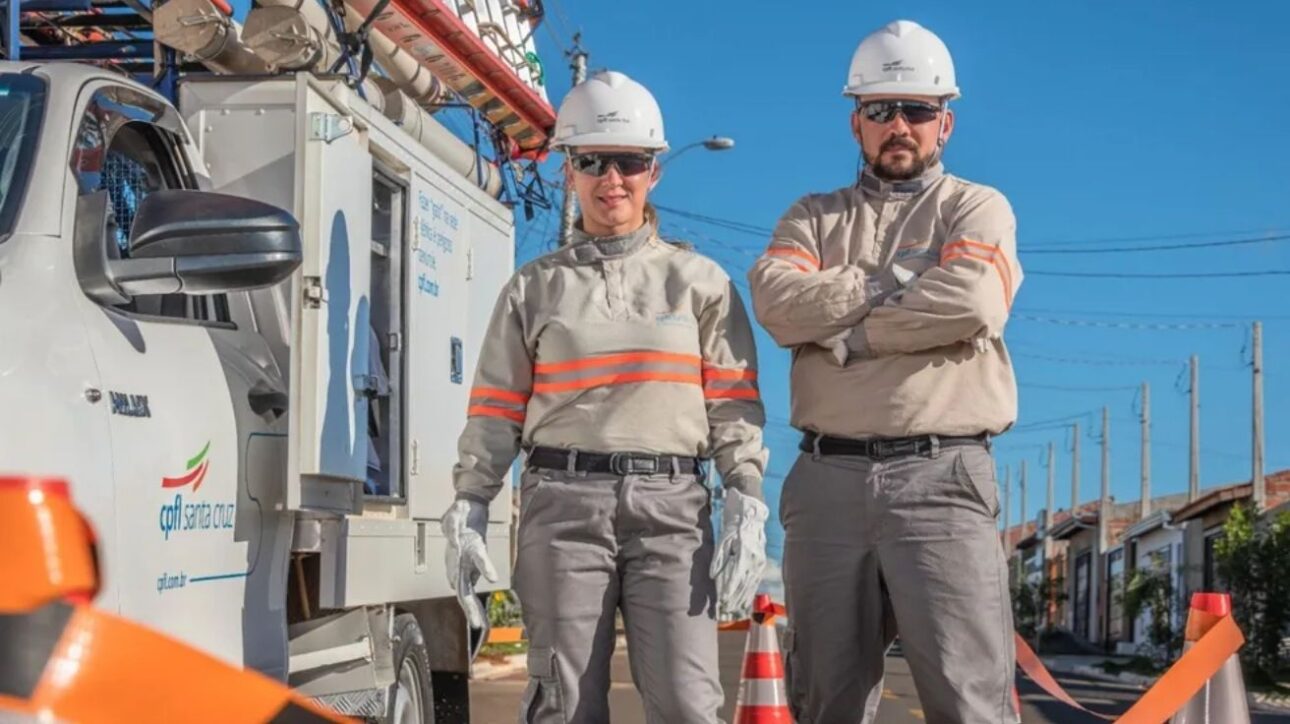
Technical Course in Electrotechnics and Attractive Average Salary
The technical course in electrotechnics, which covers knowledge in low voltage electrical systems and industrial automation, stands out for its wide range of applications and salary appreciation.
With an average workload of 1,200 hours, the training prepares professionals to plan, develop, and implement electrical projects, as well as perform repairs and installations.
The average remuneration for electrical technicians is around R$ 5 thousand, which represents an excellent opportunity for those seeking professional advancement in a market that continues to grow.
Difference Between Electrotechnics Technician and Electrician
The difference between the electrotechnics technician and the traditional electrician lies in the level of responsibilities.
While the electrician works directly with electrical installations and maintenance, the technician has a broader role, involving the planning and execution of complex projects.
This distinction broadens the possibilities for action and places technicians in a strategic position within companies that operate with electrical systems and automation.
CPFL Free Electrician Training Program
In an initiative aimed at strengthening professional training and promoting social inclusion, CPFL Energia offers the electrician course in partnership with renowned educational institutions, with classes directed at men and women, all free of charge.
The program includes theoretical and practical classes, ensuring that participants leave prepared for the job market and can compete for available positions within CPFL itself.
Among the covered cities are Jaguariúna, São José do Rio Preto, and Votorantim, including neighboring regions that will also be able to participate, according to the established registration criteria.
In the Jaguariúna area, for example, the CPFL Santa Cruz Electricians School is accepting applications until June 30, 2025.
Residents of Jaguariúna and Pedreira can apply.
In the São José do Rio Preto area, the application deadline is until June 11, also covering cities such as Barretos, Guaira, Ibirá, Mirassol, Monte Aprazível, Nova Granada, Olímpia, and São José do Rio Preto.
In Votorantim, the CPFL Piratininga free course accepts applications until July 7, 2025, including residents from Araçoiaba da Serra, Boituva, Ibiúna, Porto Feliz, Salto de Pirapora, São Roque, Sorocaba, and Votorantim.
This action by CPFL is part of a broader program that seeks to positively impact the communities where the company operates, generating job opportunities and qualifying the local workforce.
Expanding Market and Trends for Electricians
The growth of the electric sector in Brazil, driven by the expansion of renewable energy and modernization of infrastructure, demands skilled professionals to meet increasingly sophisticated technological demands.
Thus, technical courses in electrician and electrotechnics present themselves as a fundamental gateway to the job market, offering a promising career and stability.
Furthermore, the trend for the future is that industrial automation and smart energy systems will intensify, increasing the need for technicians specialized in new technologies and sustainable solutions.
For those wishing to enter this field, the moment is strategic: the market offers good remuneration, high employability, and opportunities for free training in various regions of the country.
How to Enroll in the Course
To enroll in the course, interested parties should visit the official CPFL website and fill out the online registration form before the final deadlines established for each locality.
Participation is free, and spots are limited, so the recommendation is to secure your enrollment as soon as possible.
Have you thought about taking this chance to qualify as an electrician and secure a position in an expanding sector? What are your questions about this profession and the job market for electrical technicians in 2025?






