






 Portuguese
  Spanish


A newly inaugurated terminal right in the middle of the Amazon has begun exporting soy and corn through the Port of Santana, in Amapá, with R$ 88 million invested and a warehouse for 76.6 thousand tons, precisely targeting the endless line of trucks and ships that choke the ports of the South and Southeast of the country.
While Santos and Paranaguá are congested during the harvest season, with truck lines stretching for kilometers, Brazilian agribusiness is looking for ways over the map. And one of these ways has just been reinforced in an unlikely place: the mouth of the Amazon River.
A grain port emerging in the heart of the forest
The operation began on July 3, when the company Rocha started moving grains at the Port of Santana. R$ 88 million was invested to build a terminal capable of storing 76.6 thousand tons of soy and corn, in an area of 11.7 thousand square meters on the riverbank.
It may not seem much compared to the giants of the South, but the location makes all the difference. From Amapá, a ship loaded with grains reaches Europe via a shorter route than from Santos, saving days of navigation and fuel. It’s geography working in favor of those producing in the Midwest and North.
-
Tesla injected an additional $250 million into the German factory, doubled the battery cell target, and opened its own production line for startups.

-
Goodbye to old tiles: renovation technique without construction transforms bathrooms in a few hours, eliminates debris, and reduces costs with coverings using special paints, high-resistance adhesives, and modern finishes that completely renew the space.

-
Goodbye to the traditional clay brick: Indian startup transforms burnt straw into a carbon-negative brick that costs half, insulates better, and even removes CO2 from the air.

-
A Japanese governor single-handedly stalled the construction of the world’s fastest train for nine years, and only now has he agreed to allow a tunnel excavated at a depth of 1,400 meters.



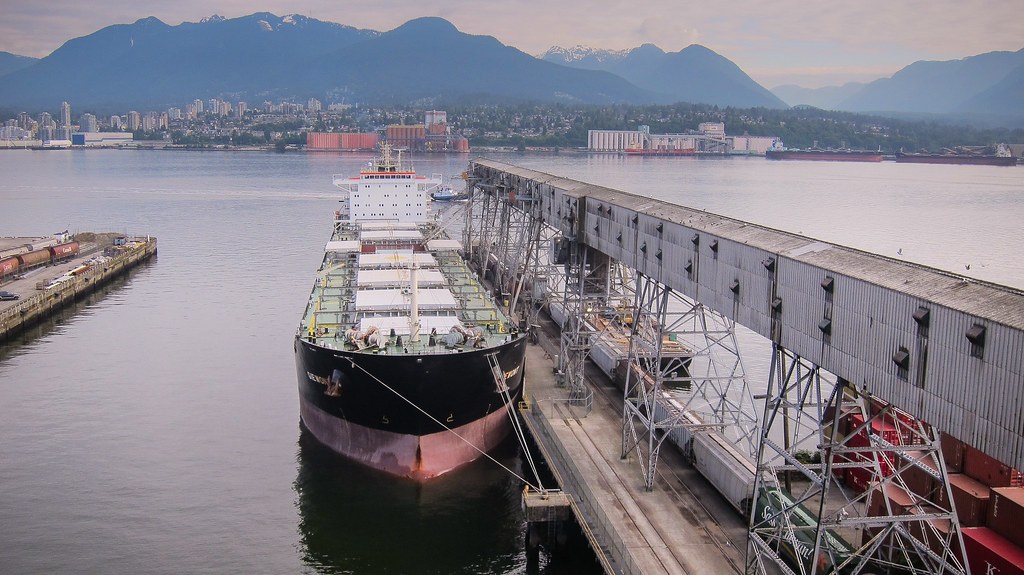
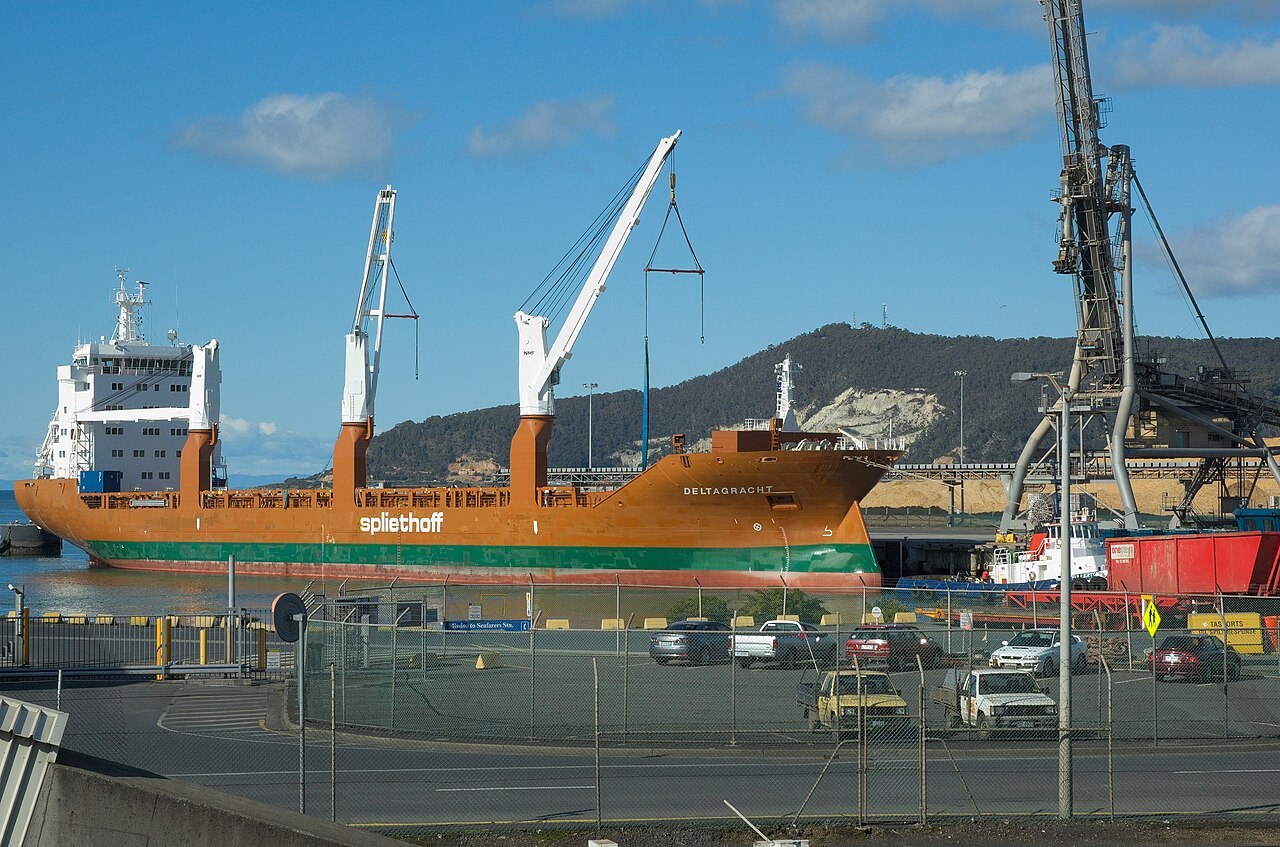
The project doesn’t stop there. The terminal’s concession is for 25 years, and the company is already planning to extend the quay by another 30 meters to accommodate larger ships. It’s the kind of long-term bet that is only made when there is confidence that the cargo flow will grow, and in the case of the Northern Arc, it is growing rapidly.
What is the Northern Arc and why it changed the game
The Northern Arc is the name given to the set of ports located above the 16th parallel, spread across the North and Northeast of the country. For decades, practically the entire Brazilian harvest was exported through the ports of the South and Southeast, creating a brutal bottleneck that increased freight costs and delayed exports right at the peak of the harvest.
The turnaround began when producers and companies realized that exiting through the North could be cheaper and faster for a significant portion of the production. In the last four years, fertilizer imports through the Northern Arc have grown by 98%, almost doubling, a clear sign that the region has ceased to be an alternative route to become a central piece of agro logistics.
I imagine the size of the transformation this represents. A country that always exported everything through a handful of southern ports now has a second door, opened right in the middle of the forest, shortening the path to buyers on the other side of the Atlantic. It’s Brazilian logistics finally taking advantage of its own geography.
Amapá enters the export map
For Amapá, one of the least populous and most isolated states in the country, the arrival of a grain operation is quite an event. The terminal transforms the state into another link in the agribusiness export chain, generating jobs and boosting an economy that has historically been on the sidelines of major commercial flows.
It’s not an isolated case. Similar terminals are emerging throughout the Northern Arc, from Maranhão to Pará, forming a network that gradually relieves pressure on traditional ports. Each new export point takes trucks off the southern roads and better distributes the weight of the Brazilian harvest, which only grows year after year.
Brazil has established itself as the largest soybean exporter on the planet, shipping over 100 million tons per year, and corn is following the same path of expansion. Exporting this massive volume requires multiplying the exit doors, and that’s where terminals like Santana stop being a regional detail to become part of a mechanism that supplies the tables of half the world.
The challenges that still block the way
Not everything is rosy on this route. Reaching the ports of the Northern Arc still depends on precarious roads and waterways that need dredging and signaling, and the transport infrastructure to the terminal is often the weakest link in the chain. A modern port is of no use if the grain doesn’t reach it efficiently.
BR-163, which connects Mato Grosso to Pará, has become a symbol of this challenge, with sections that turn to mud during the rainy season and stop truck convoys for days. Investing in terminals is only half of the equation; the other half is ensuring that the harvest reaches the riverbank without losing time and money along the way.
Even so, each new terminal creates pressure for the rest of the infrastructure to keep up. When there is a port ready waiting for cargo, governments and companies have a concrete reason to invest in the roads and waterways that are missing, in a domino effect that gradually stitches together the logistics of the North.
We often associate the Amazon with deforestation and conflict, and rarely with cutting-edge logistics. But it is precisely there, taking advantage of the rivers that have always been the region’s roads, that Brazil is setting up one of the most strategic exits for the production that feeds a large part of the world.
It’s that contrast that defines so many Brazilian stories: the country that gets stuck in kilometer-long truck lines at southern ports is the same one that quietly unlocks a modern terminal in the middle of the forest. The Port of Santana is small compared to the giants, but it symbolizes a turnaround that could redraw the map of national exports. And the most interesting thing is that this transformation doesn’t depend on a single large project, but on the sum of dozens of terminals spread across the North, each taking a bit of the weight off the backs of the ports that have always carried the country alone.
Could the future of Brazil’s exports really pass through the ports of the Amazon, and not the giants of the South?


