Portuguese
  Spanish


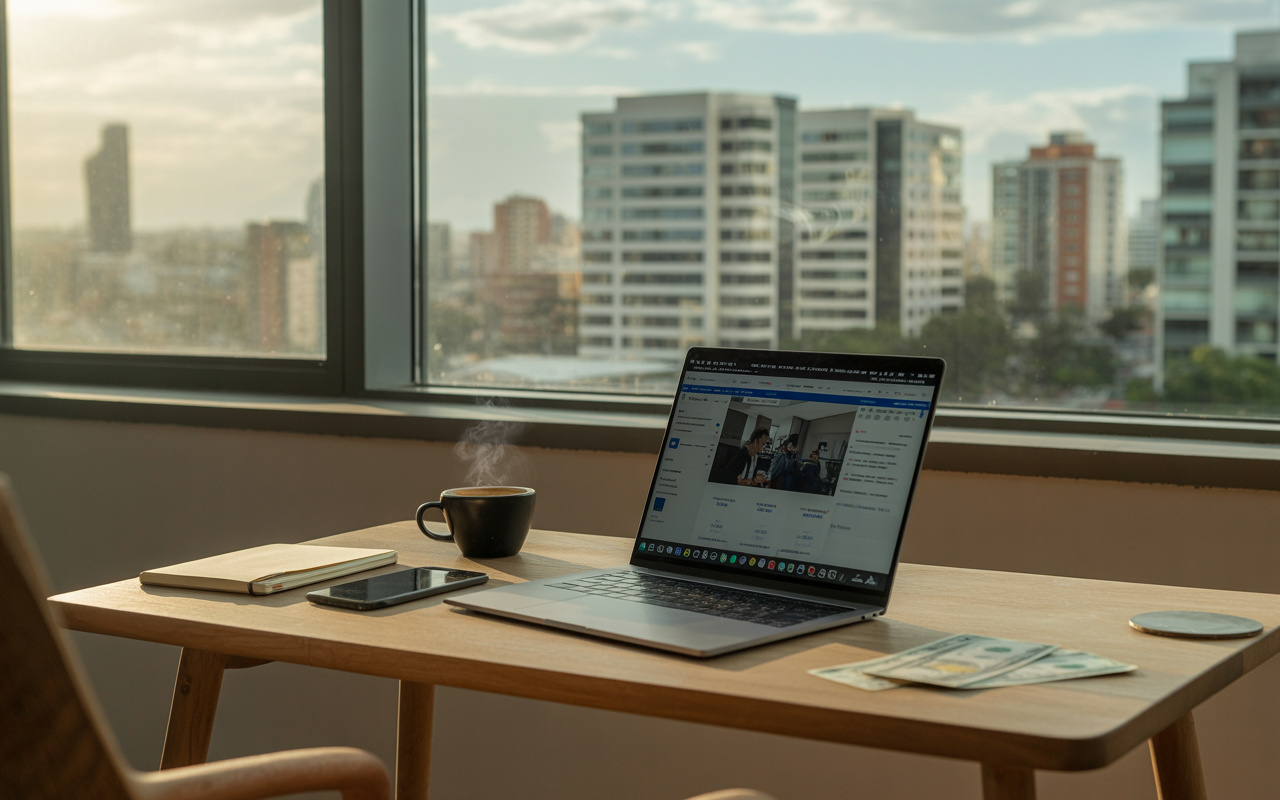


Cost Of Living In Paraguay Attracts Brazilians Working Remotely With Cheap Rent, Stable Internet And Reduced Expenses; See Advantages, Limits And Care.
Remote work has transformed the logic of where it is possible to live, and Paraguay has emerged as a real alternative for Brazilians who receive in reais, dollars, or provide services abroad. Outside the major centers and even in medium-sized cities, the country offers a rare combination in South America: low cost of living, reduced taxes, a peaceful routine, and sufficient infrastructure for those who basically depend on the internet and essential services.
This movement is not driven by unrealistic promises, but by practical comparisons. When rent, groceries, monthly bills, and taxes come into play, many Brazilians realize that their budget stretches further living in Paraguay than in similar-sized Brazilian cities.
Affordable Rent Reduces The Largest Weight On The Budget
For those working remotely, rent is typically the main fixed cost. In Paraguay, this burden is significantly lower. Even in organized and well-structured cities, rental values are much lower than those practiced in Brazil.
-
Former Shoe Factory Worker Turned Entrepreneur Opens 19th Tool Store, Projects $230 Million Revenue, Expands to São Paulo

-
Father Founded Arezzo in a Belo Horizonte Garage; Son, as CEO, Merges to Form “Azzas 2154” with Over 30 Brands, 2,000 Stores, and a $110 Million IPO
-
At 21, he used a $40,000 family loan to start a stationery brand in Brazil; today, BRW earns $48 million annually, has 20,000 sales points, and holds 11 patents, including a highlighter with lip gloss to appeal to teens.

-
End of an Era in Brazil: Automaker Shuts Down Mega Factory After Sales Slump, While Chinese Company Plans to Revive It with 100,000 Vehicles Annually


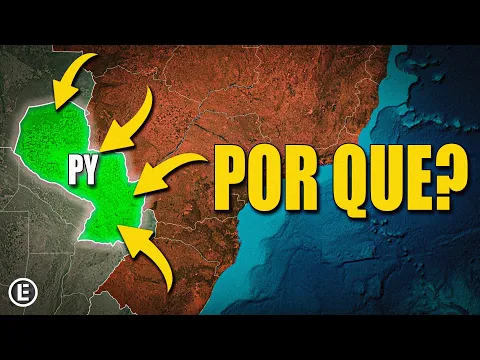

Single-story houses, spacious apartments, and properties with yards are common and do not require long financial commitments or expensive financing. In many regions, the monthly rent costs the equivalent of a fraction of the value charged in capitals and large Brazilian cities, allowing for better living at a lower cost.
This difference allows remote professionals to choose more comfortable, quiet homes suitable for working from home, something that can be quite expensive in Brazil.
Internet And Infrastructure Sufficient For Online Work
One of the main concerns for those thinking about moving to another country to work remotely is the quality of internet. In Paraguay, especially in medium-sized cities and regional hubs, the connection meets the needs of those working online.
Fiber optic plans and residential internet with good stability are already a reality in many regions, ensuring video calls, file uploads, and use of professional platforms without major difficulties. For those who depend solely on a computer and a stable connection, the country does not represent the technological backwardness that many imagine.
Moreover, frequent power outages are less common in some rural areas compared to more saturated Brazilian regions.
Food, Basic Bills And Services Cost Less
The cost of food in Paraguay also benefits those working remotely. Grocery shopping, local markets, and basic food have lower prices, reflecting local agricultural production and the reduced tax burden.
Bills such as water, electricity, and internet also tend to represent a smaller portion of the monthly budget. Daily services like maintenance, cleaning, minor repairs, and informal labor follow the same logic of more affordable prices.
For those paid in dollars or providing services abroad, this difference creates an even greater advantage, enhancing purchasing power and allowing for saving or investing more easily.
Less Taxes And Lower Financial Pressure In Daily Life
Another factor attracting remote workers is Paraguay’s lower tax burden. The country has lower consumption and income taxes compared to Brazil, directly reflecting on the cost of living and creating a sense of less financial pressure.
For freelancers and self-employed individuals, formalization tends to be simpler and less burdensome. While it is necessary to understand local rules, many Brazilians report that everyday bureaucracy is less and more straightforward than what they face in Brazil.
This structure favors those who work independently or provide digital services without the need for large corporate structures.
What Changes In The Routine Of Those Who Decide To Live In Paraguay
Living in Paraguay while working remotely involves significant changes in routine. The pace of cities is calmer, with less traffic, less urban noise, and fewer constant stimuli. For those seeking focus and quality of life, this is often seen as an advantage.
On the other hand, shops close earlier, leisure options are more limited outside major centers, and social life is more local and community-oriented. It is a clear trade-off between reduced costs and fewer urban entertainment options.
The language also requires adaptation. In addition to Spanish, Guarani is widely spoken, especially in the interior. For remote work, this is usually not a problem, but in everyday life, it may require basic learning and cultural patience.
Real Advantages And Considerations Before Moving
Paraguay has become attractive to remote workers because it offers something concrete: the possibility of living with lower fixed expenses, less financial stress, and more monthly predictability. For many Brazilians, this represents freedom and stability.
Nevertheless, moving requires planning. Knowing the city, testing local internet, understanding immigration rules, and assessing access to healthcare are fundamental steps before making a definitive decision.
Paraguay is not a “digital paradise,” but for those working remotely and seeking a low cost of living, a simple routine, and less economic pressure, it is solidifying as an increasingly rational alternative — especially in a context where living in Brazil has become financially heavier for many professionals.