Portuguese
  Spanish


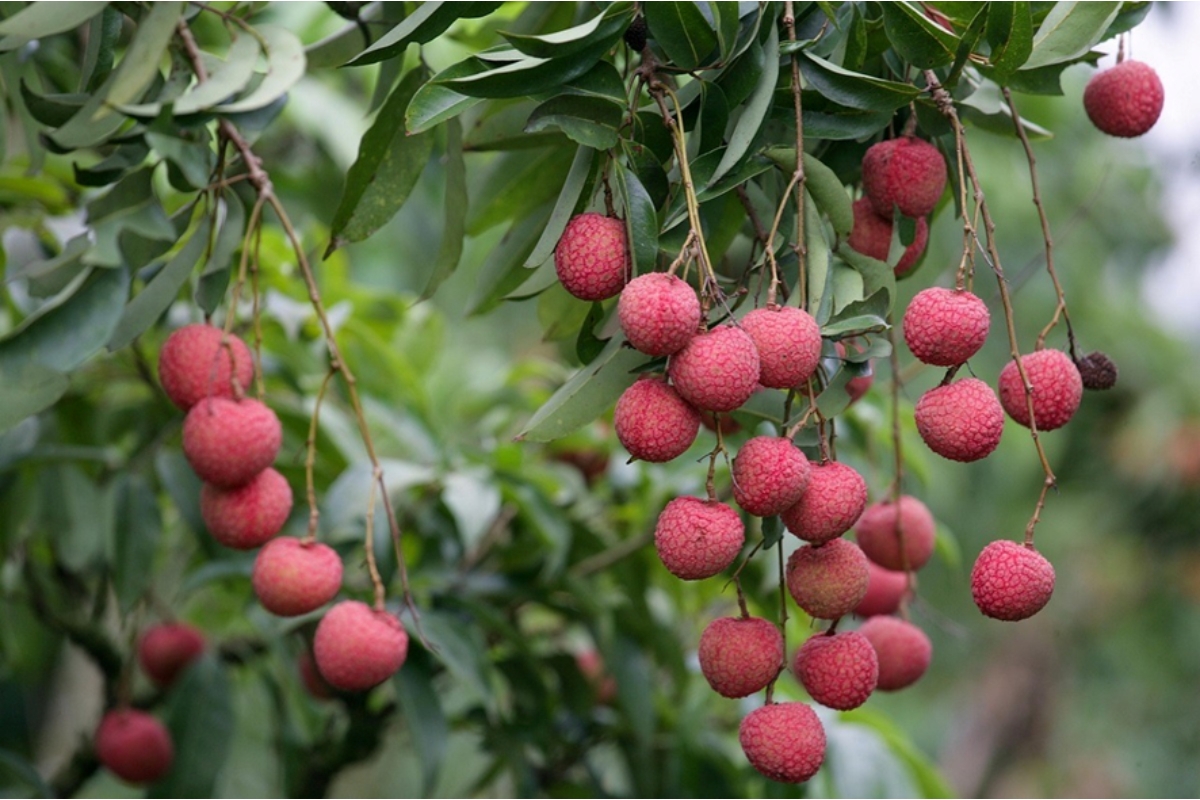


In Avaré and Region, Rural Producers Expanded Cultivation and Conservation of Lychee with New Varieties and Technologies to Extend Annual Marketing, Causing Market Expansion and Attracting Attention from the Fruit Sector
The so-called “fruit of love” is undergoing a silent transformation in São Paulo’s interior. Traditionally associated with year-end festivities, lychee is beginning to break the barrier of seasonality and gain presence in new periods of the calendar.
The movement is driven by producers investing in technology, genetic diversification, and industrial processing. The result is already evident in the market with greater supply, new products, and commercial expansion.
What used to be concentrated between November and January is now starting to fill other months. The change alters consumption dynamics and opens unprecedented opportunities for the sector.
-
India’s Sugar Export Cuts and Ethanol Shift Amid El Niño Threat Could Impact Global Prices and Stocks

-
Quarantine Pest Threatening Palm Trees Puts Brazilian Authorities on Alert, Prompts Monitoring at University of Taubaté and Potential Control Measures Across São Paulo
-
Global Alert: Report Finds 159 Pesticides in Coffee Beans Sold in Europe, Posing Serious Risks to Millions of Farm Workers
-
Low-Demand Brazilian Beef Offal Gains Popularity Abroad: Indonesia Purchases $19.5 Million, Boosting Revenue and Reducing Waste



New Techniques Allow Lychee to Be Sold Outside the Traditional Harvest
Historically, the commercialization of the fruit was short and concentrated in the summer. The limited sales window restricted gains and widened post-harvest losses.
With the adoption of freezing and freeze-drying, producers began to preserve fruits for longer periods. The techniques allow storage, processing, and distribution outside the peak of the harvest.
The impact was immediate. Fruits that would have previously been discarded for not meeting aesthetic standards are now being industrially utilized.
This advancement also reduces losses and increases the marketable volume throughout the year.
Family Farming Leads Varietal Expansion in São Paulo’s Interior

In the municipality of Itaí, family farming has taken a central role in this growth. With technical support from the Coordinating Agency for Integral Technical Assistance, producers expanded cultivated areas and introduced new varieties.
Among them are giant, heart, crunchy, fire, gold, tutti frutti, orange, and the already established Bengal.
Diversification has brought significant commercial gains. Each variety has its own characteristics of flavor, texture, and market acceptance.
The detail that caught the most attention was the size of the fruits. While Bengal averages 20 grams, the giant can reach up to 40 grams per unit.
The heart variety gained appreciation for the ease of shell opening, a feature highly valued for fresh consumption.
Export Demands Standardization and Boosts Processing
Entering the international market raised the level of aesthetic demands. Small visual imperfections have led to greater discard rates.
To prevent losses, producers intensified pulp processing. The material is frozen in ultra-freezers or subjected to freeze-drying.
This process increases durability and creates new commercial possibilities. The fruit no longer depends solely on fresh sales.
According to industry experts, this adaptation was essential for enabling external competitiveness.
Food Industry Discovers New Uses for the Fruit
The expansion has not been restricted to fresh consumption. Processed pulp started supplying food industries.
Derived products are beginning to gain space on shelves. Among them are snacks, jams, and distilled beverages.
Diversification increases added value and creates new market niches. Producers no longer sell only fresh fruit and begin to integrate into industrial chains.
This movement strengthens rural income and creates new business fronts.
Regional Productive Chain Receives Public Investments
The advancement of the culture is part of the Local Productive Chain of lychee, which includes municipalities in southwestern São Paulo.
In 2025, the project received state resources aimed at strengthening small producers.
Experts point out that the region has favorable climatic conditions and a harvest calendar distinct from global hubs.
This difference allows offering the fruit when there is less international availability, raising competitiveness and prices.
Historical Origin Explains the Nickname “Fruit of Love”
The popular name carries millennial cultural influence. Historical records in China date back to the Tang Dynasty in the 8th century.
At that time, the fruit was associated with gestures of prestige, devotion, and prosperity. The symbolism has crossed centuries and helped consolidate its romantic image.
Currently, consumption in Brazil is still seasonal, but technology is beginning to change this reality.
The presence of lychee throughout the year is gradually increasing, driven by preservation, processing, and market expansion.
The transformation of the fruit of love shows how agricultural innovation, post-harvest technology, and commercial strategy can reposition a product previously limited to a few weeks of sales.
Do you believe that lychee can become a popular fruit year-round in Brazil? Share your opinion in the comments.