






 Portuguese
  Spanish


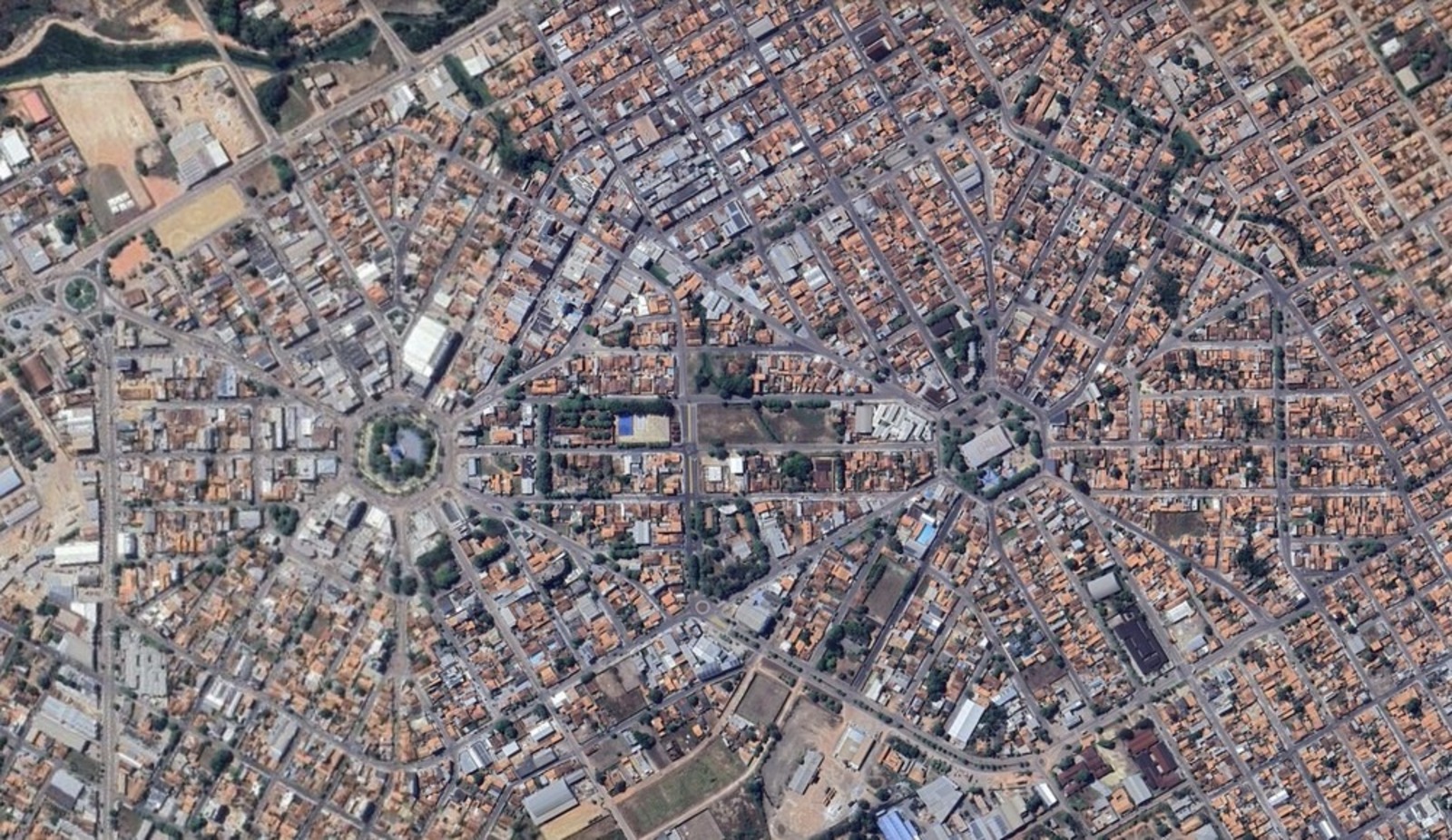


From The Sky, Some Brazilian Cities Reveal Impressive Geometries — Brasília In The Shape Of An Airplane, Paragominas As A Hexagon, Boa Vista In A Fan Shape — Showing How Urbanism Mixes Art, History, And Adaptation To The Territory
Brazilian cities bear deep marks of their origins. Some arose spontaneously from commercial villages or colonial settlements, while others were planned with ruler and compass. The result is a diverse urban landscape that reveals curious and symbolic shapes when observed from the sky.
Brasília — The Symbol Of Brazilian Modernity
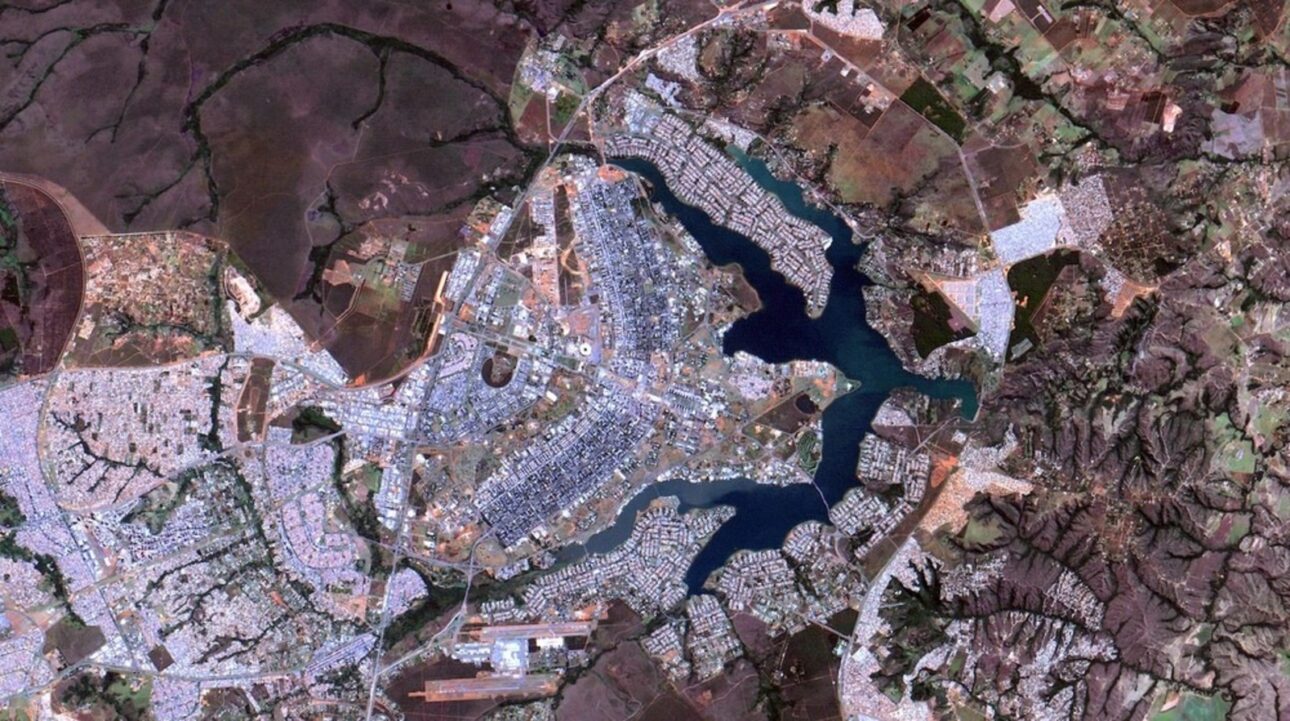
Brasília was designed in 1957 by urban planner Lúcio Costa at the request of the government of Juscelino Kubitschek, with the aim of representing national progress.
Although it is known for its airplane shape, the project’s author claimed that the design resembled more of a butterfly.
-
Brazilians in Portugal Face Increased Police Checks as Consulate Advises Carrying Documents; Long-term Resident and Tourist Report Heightened Scrutiny in Porto.

-
Russia Proposes Bold Energy Transition Plan at BRICS, Citing $8 Trillion Annual Cost for 2050 Global Target
-
$142 Million Bridge Funded by Brazil Only Used by Empty Trucks at Night, While 43,000 Vehicles Face 2-Hour Queues and Annual Losses Could Reach $600 Million at the Border.
-
Man Crafts $10,000 Hammer with 24-Karat Gold and Diamonds



The innovative layout, with wide axes and well-defined areas, made the capital a world reference in urbanism and a UNESCO World Heritage site.
In addition to its symbolism, Brasília was planned to offer fluidity in traffic and balance between residential, administrative, and green spaces.
Therefore, its shape is both aesthetic and functional, reflecting an ideal of organization and modernity.
Paragominas — The Hexagon Of The Amazon
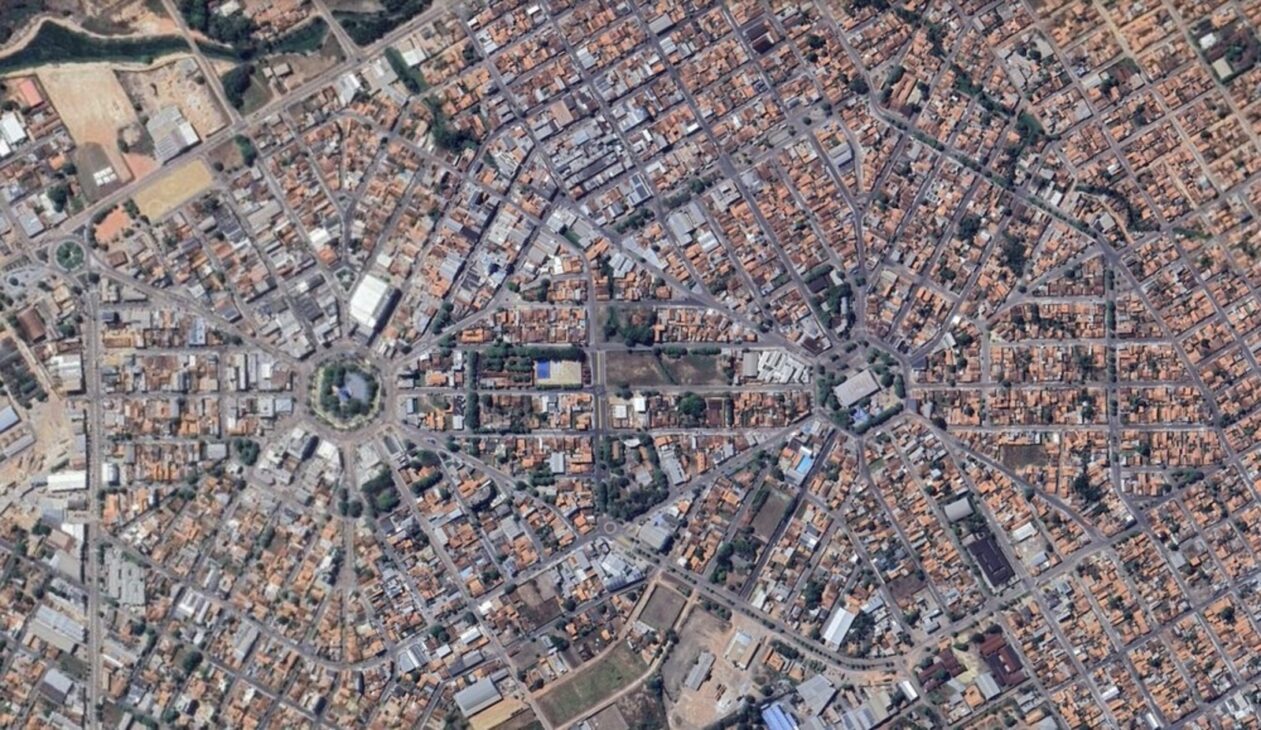
Founded in the 1960s, Paragominas was one of the first planned cities in the Amazon. Its urban center features an unmistakable shape: two large hexagons connected to each other.
This design was conceived to facilitate circulation and distribution of urban services during a period when the region’s development required new planning solutions.
The symmetrical and efficient geometry still marks local daily life, making Paragominas an example of how urban design can interact with the environment and regional logistics.
New York — The City Reborn In Maranhão
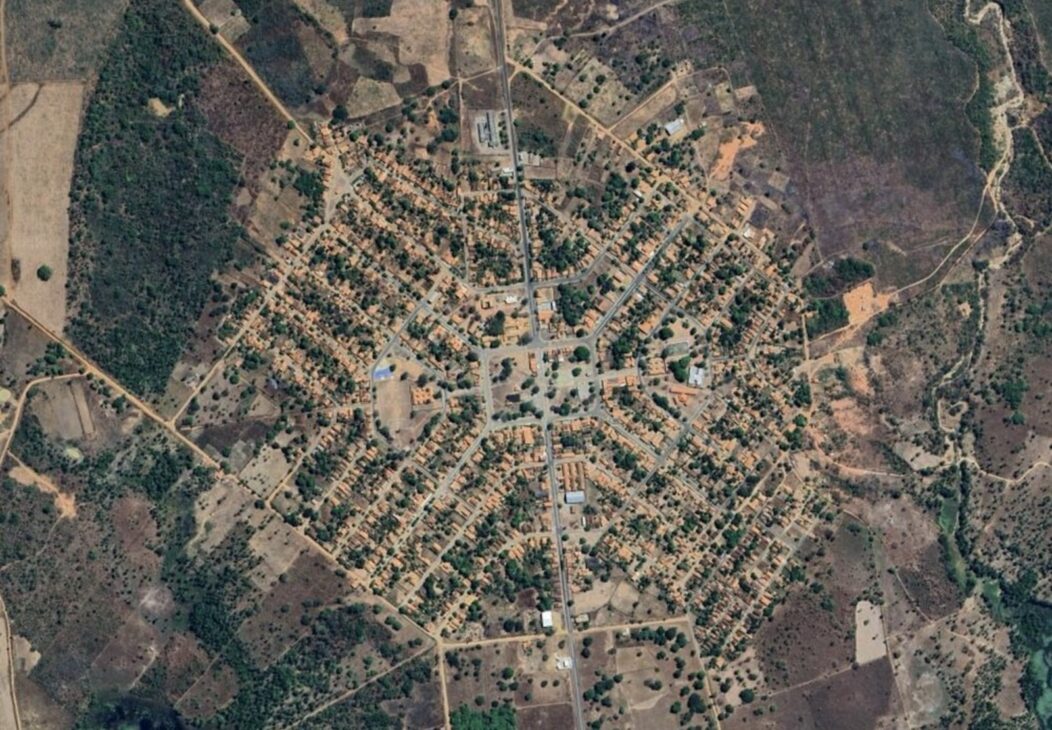
In 1926, a flood destroyed the old village of New York, located on the banks of the Parnaíba River.
The tragedy led to a complete reconstruction of the municipality, which gained straight streets and regular blocks designed to improve drainage and prevent new flooding.
The new layout not only brought safety but also established an urban structure that favored organized growth.
New York became a symbol of resilience and planning adapted to the natural conditions of Maranhão.
Guajará-Mirim — The Checkerboard Of The Border
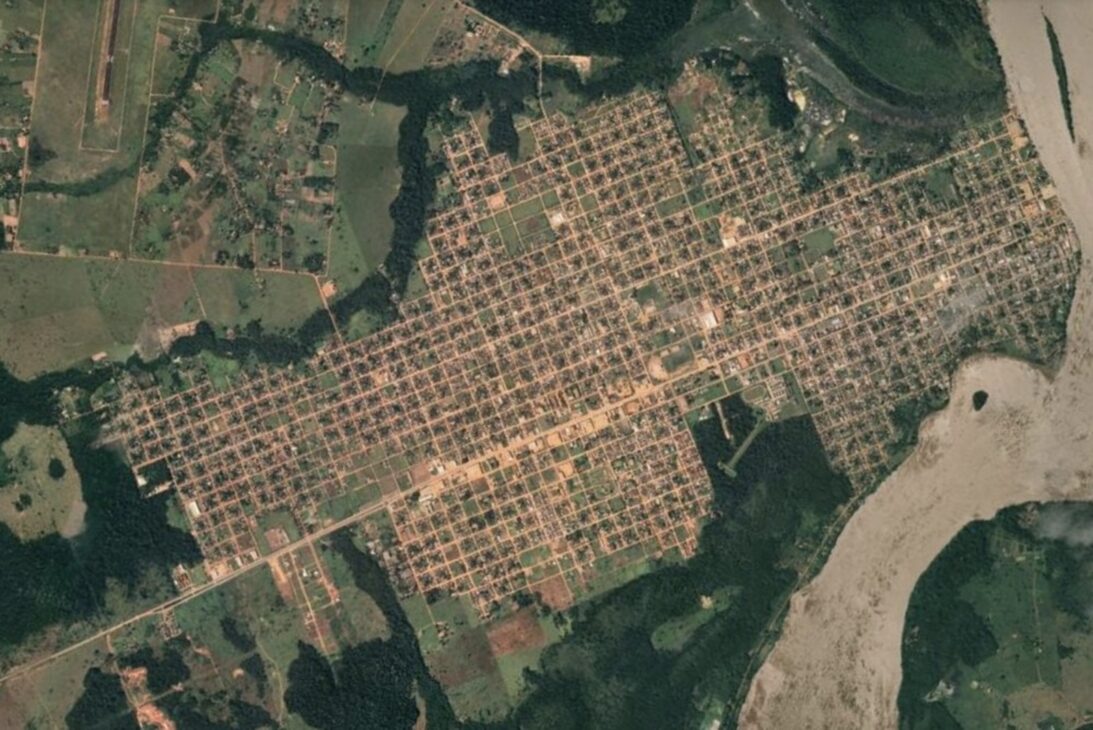
Founded in 1928, Guajará-Mirim began as a riverine outpost of the Madeira-Mamoré Railroad. The city’s layout follows the checkerboard pattern typical of North American cities in the early 20th century.
Wide streets and rectangular blocks organized the growth of the Amazon frontier and continue to define its landscape.
Boa Vista — The Capital In The Shape Of A Fan
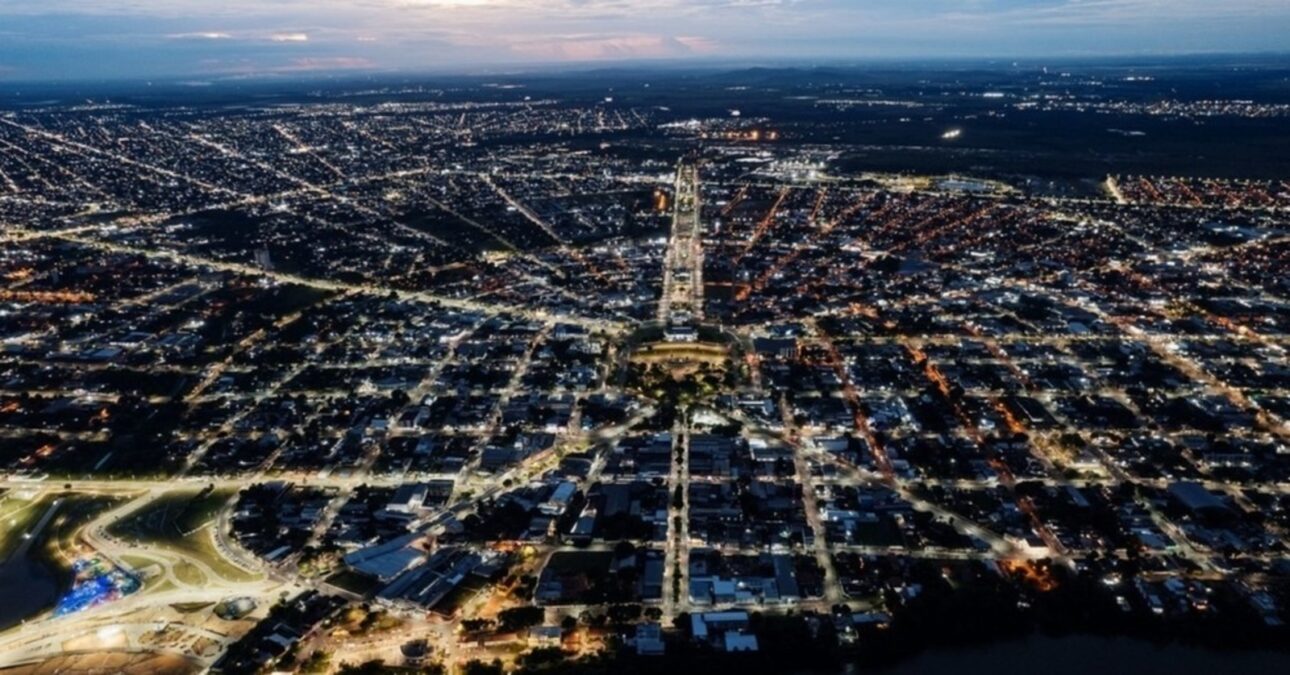
Between 1944 and 1946, engineer Darcy Aleixo Derenusson redesigned Boa Vista, drawing inspiration from the plans of Paris and Washington.
He created a radial layout in the shape of a fan, with avenues branching out from the Civic Center Square.
The project prioritized ventilation, spaciousness, and visual harmony, making Boa Vista one of the most organized and balanced capitals in the country.
With information from Casa e Jardim.


