






 Portuguese
  Spanish


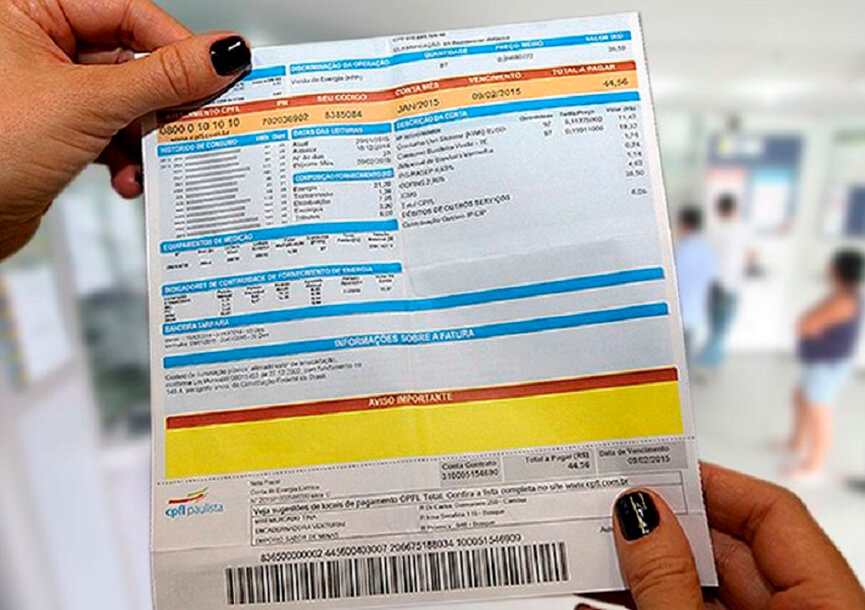

Will Electricity Bills Decrease in 2022? According to Experts, The Possibilities of Reduction Are Only for May. Understand More Here
The rains, which have been occurring since October of last year, may have slightly improved the situation of reservoirs, but it is too early to celebrate and think that there will be a decrease in your electricity bill in 2022.
This is what the experts interviewed by Estadão/Broadcast guarantee. According to them, it is possible that there will be some relief in bills due to the improvement of the elevatory systems, but this will not be immediate, as very likely any improvements in processes will not be immediately passed on to the public, and there is still the risk that in the dry months the situation could worsen again.
- 1 million consumers are already producing their own solar energy in Brazil, totaling 8.6 GW of capacity, according to Absolar
- Fuel stations invest in solar energy to escape the rising energy tariff and “almost zero” their electricity bill
- Solar Energy: 223 Magazine Luiza stores are already supplied with GreenYellow solar energy. Will this be a trend?
The Worst Drought in Recent Years Caused the Increase in Electricity Bills.
2021 was one of the worst years in terms of water resources. In September of last year, the worst mark of the year, reservoir levels reached the alarming figure of 16.75% of capacity, whereas the year had already started with the dangerous mark of 23% of capacity. Fortunately, 2022 begins much better in this regard.
-
At 14 years old, she worked in a factory in Hong Kong, studied economics abroad, and then entered the Chinese real estate market, which helped change the landscape of Beijing.

-
Fired during apartheid and with a little borrowed money, an electrician started with a borrowed truck and transformed electrical services into a group connected to energy, real estate, and infrastructure in South Africa.
-
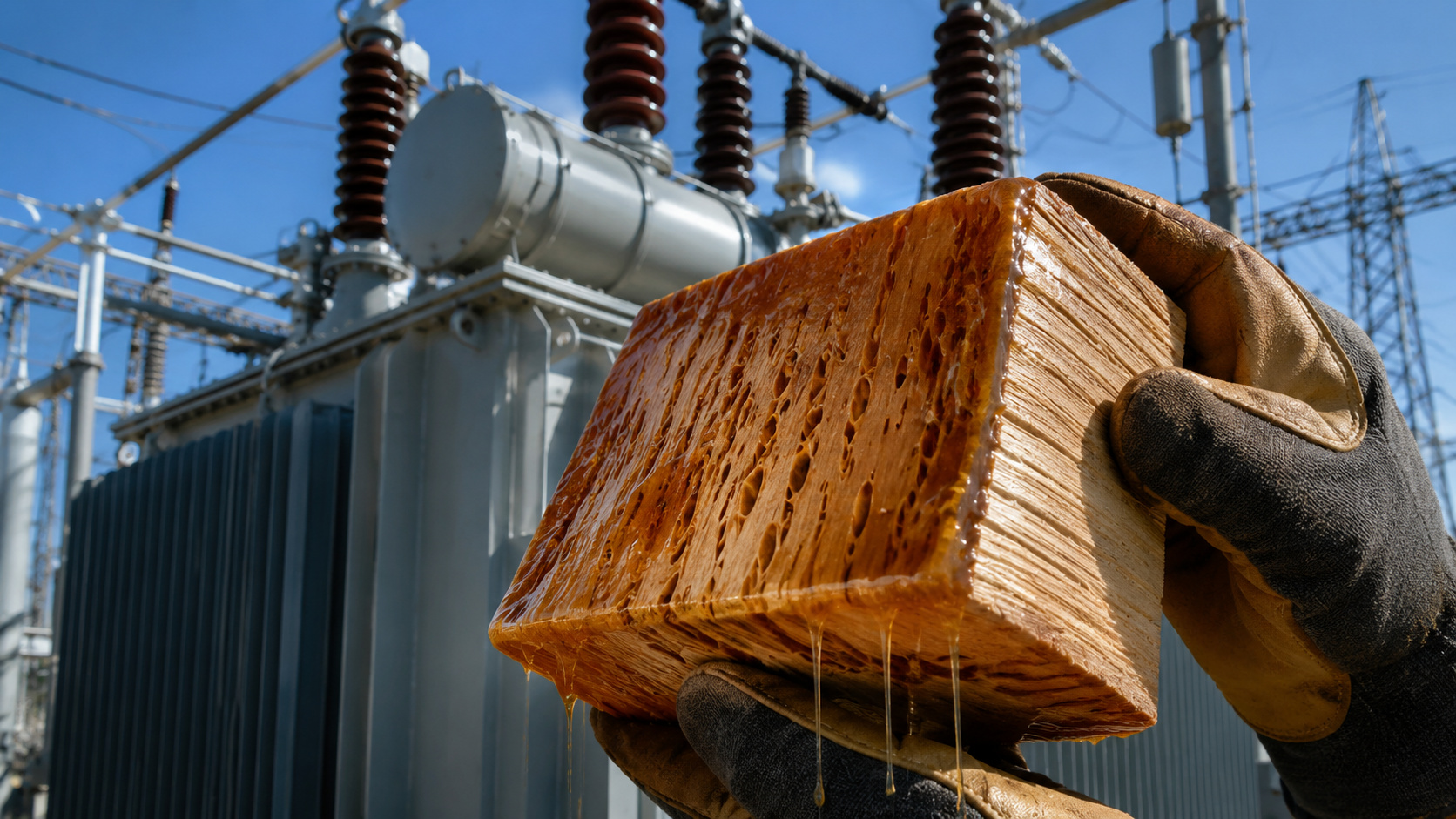
Wood has ceased to be just a construction material in Yale research and has become insulation for electrical transformers that face intense heat, aging, and increasing pressure from the renewable energy-powered grid.
-
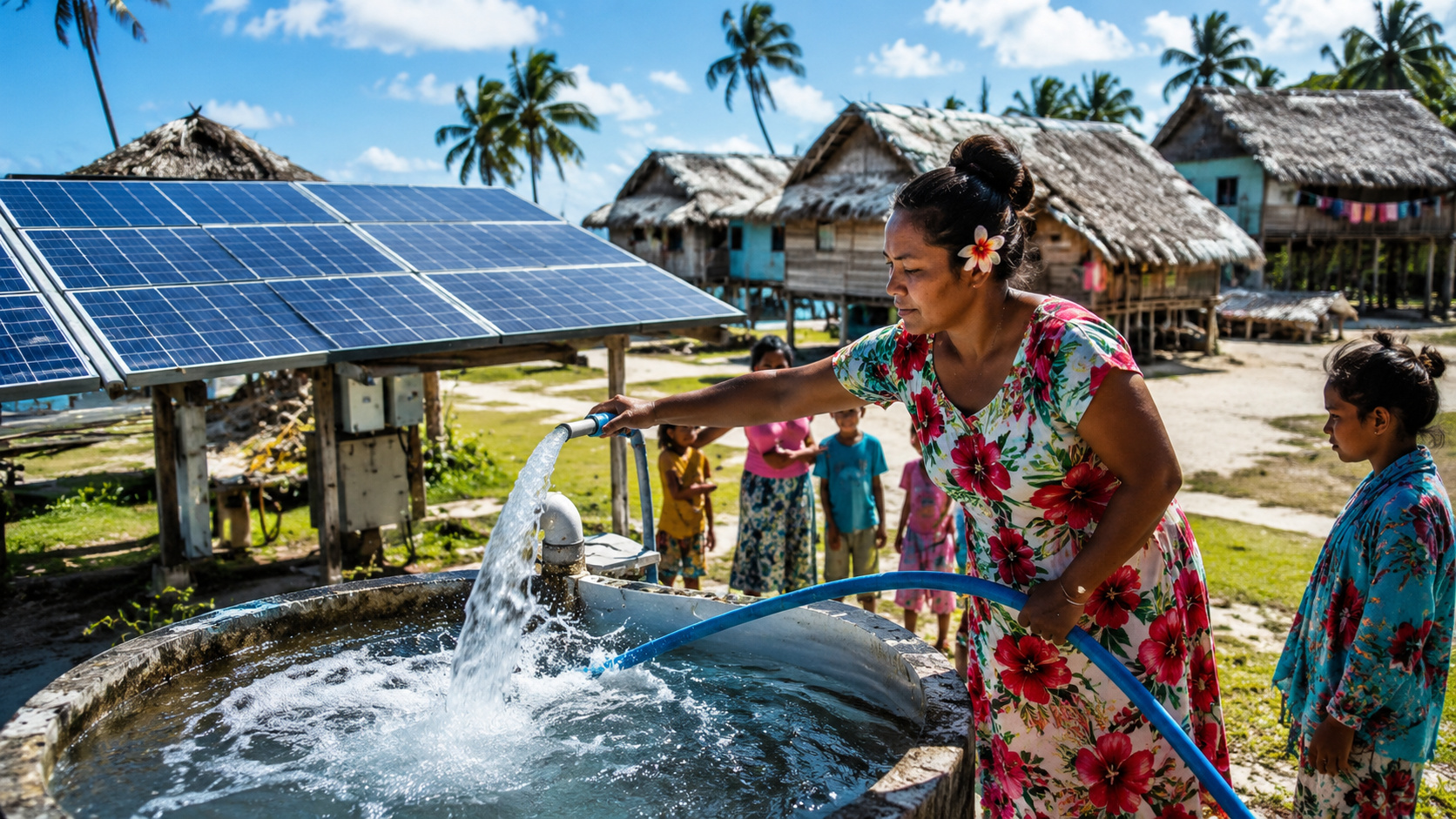
More than 1,000 residents of a remote island in Kiribati now have clean water and electricity with solar systems operated by the community itself.




Now in January 2022, according to the National Electric System Operator (ONS), the forecast is that we will have levels of about 40% in the reservoirs.
The good news is that, according to experts, the probability of blackouts is completely dismissed, but this does not mean that adjustments to the electricity bill will be immediate.
This also happens because the overall energy supply has increased. Energy generation alternatives, especially clean energy, are becoming increasingly common in Brazil, complementing the Brazilian energy matrix, which still dangerously relies on hydroelectric plants.
Government Decisions to Prevent Blackouts Continue to Impact Your Bill
The government had to adopt a series of emergency measures in October of last year to prevent blackouts.
Among the reactivation of thermoelectric plants and the importation of energy from Uruguay, the emergency investment was 16.8 billion, which, even with the creation of a higher tariff, was not fully covered.
According to the ONS, the water scarcity tariff is promised at least until April and, only if the rains cooperate, there is a possibility of a reduction in the electricity bill starting in May.
These increases in electricity bills have generated an interesting movement, increasing the demand for alternatives, microgeneration of energy, purchasing energy on the free market by some companies, and even the construction of small solar plants and other green energy sources, especially by large companies like Magazine Luiza.
These companies are seizing an opportunity to not only save on energy in the long term but also to officially declare that they are doing their part in decarbonization and implementing more efficient new policies.
It is no coincidence that Brazil has celebrated today the milestone of one million solar installations generating energy.
Furthermore, we have several alternatives to centralized generation becoming increasingly common in Brazil, which points to a medium-term scenario where, possibly, consumers will be able to choose alternatives to traditional energy generation, almost like it was with telephone and internet services between the 1990s and the early 21st century.








