






 Portuguese
  Spanish



Mysterious Phenomenon Challenges Knowledge About Oxygen Production in Deep Seas and May Reveal Secrets About the Origins of Life
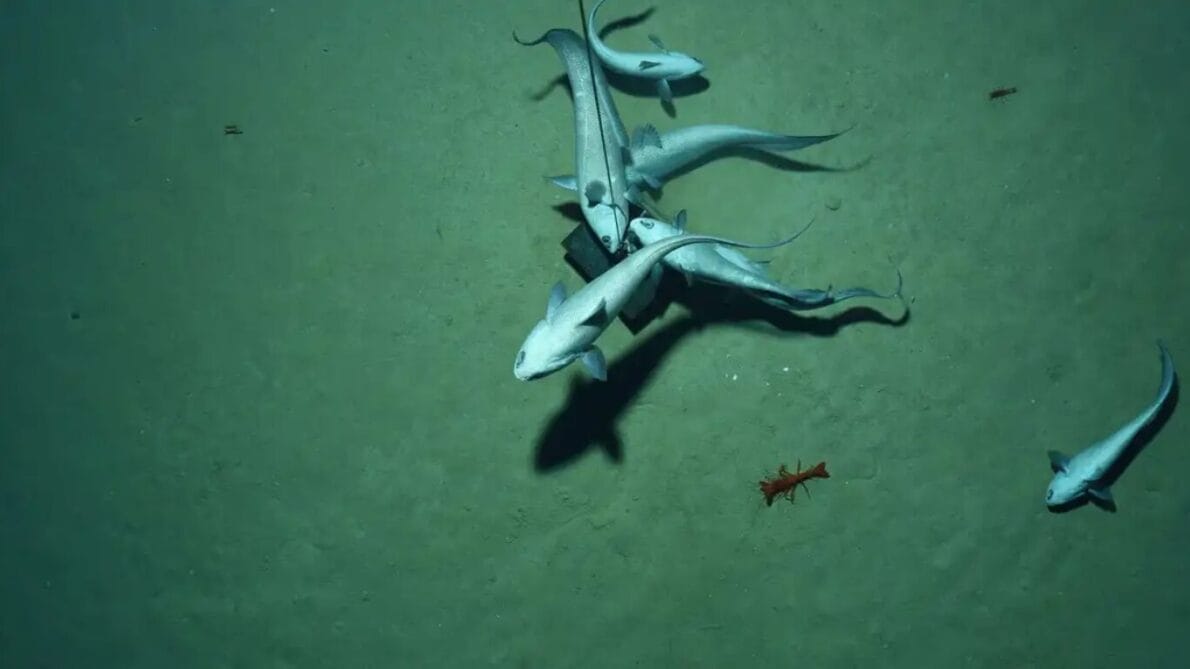
In a surprising discovery, scientists identified the production of “black oxygen” at the bottom of the sea, defying everything previously known about the need for sunlight for oxygen generation. This phenomenon, which initially seemed like an equipment error, now opens new perspectives for science and technology, according to cnnbrasil.
The Unexpected Discovery
The phenomenon was first observed in 2013 when ocean scientist Andrew Sweetman, aboard a ship in the Pacific Ocean, noticed sensor readings indicating oxygen production at 4,000 meters deep. Not believing what he saw, Sweetman initially suspected a malfunction in the sensors. “I basically told my students, just put the sensors back in the box. Let’s send them back to the manufacturer and test them because they are giving us nothing but garbage,” reported Sweetman.
After several trips and rigorous tests, it became clear that the sensors were correct. Oxygen was indeed being produced in a region known as Clarion-Clipperton Zone, without any sunlight, a phenomenon previously unexplained by science.
-
2,000-Year-Old Gold Rings Found with Human Bones in Thailand Reveal Rare Burial and Feature Ancient Indian Inscription

-
Lenovo Unveils Legion Y700 Tablet with RGB Backlighting, 5G, and SIM Card Support

-
World’s First Nuclear Hydrogen Unit Begins Operation: Copper-Chlorine Technology with Initial Capacity of 150 Liters per Hour, Aiming for 3,000 Liters per Hour
-
Mechanics Retrofit Old Fiat Uno with BYD Electric Motor for Silent, Low-Voltage Operation Reaching Nearly 60 km/h in Home Test



The Mysterious Production of Oxygen
Photosynthetic organisms, such as plants and algae, use sunlight to produce oxygen, which then disperses through the depths of the sea. However, previous studies always showed that oxygen is only consumed, not produced, in the ocean depths. Sweetman’s team, however, observed the opposite: oxygen was being generated without photosynthesis.
“You become cautious when you see something that goes against what should be happening,” said Sweetman. With this discovery, the traditional paradigm about the oxygen cycle at the ocean floor began to be challenged, raising new questions about biological and chemical processes in the deep sea.
Natural Geobatteries
The most plausible explanation for black oxygen production arose when Sweetman and electrochemist Franz Geiger investigated the possibility of electrochemical processes. They discovered that polymetallic nodules present on the sea floor could be acting as “geobatteries.” These nodules, rich in metals such as cobalt, nickel, and copper, could generate sufficient electric currents to split water into oxygen and hydrogen.
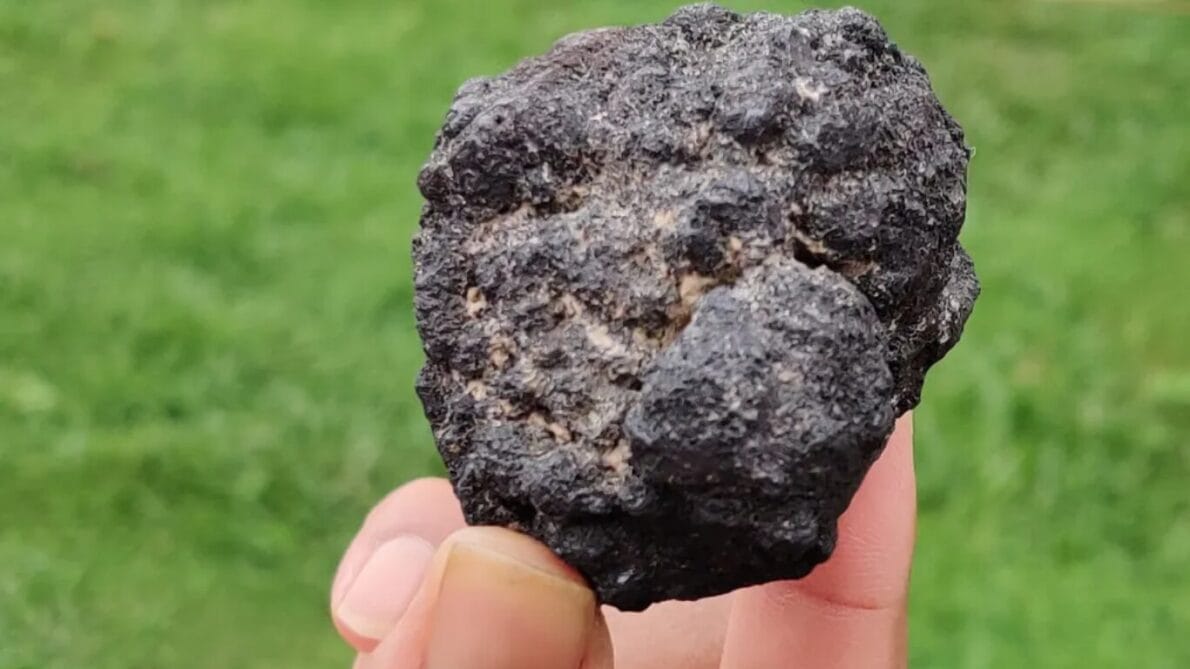
“It seems we have discovered a natural ‘geobattery,’” stated Geiger. This phenomenon of seawater electrolysis could be occurring due to the electrochemical interactions of the metals contained in the nodules, creating a new source of oxygen previously unknown.
Implications and Future of Submarine Mining
The discovery of black oxygen raises important questions about the exploration of the ocean floor. The Clarion-Clipperton Zone, rich in polymetallic nodules, is at the center of economic interests due to the demand for metals used in green technologies, such as electric car batteries and solar panels. However, deep-sea mining may have significant environmental impacts.
Sweetman and Geiger warn of the need for more scientific oversight before allowing mineral exploration in these areas. “The faunal diversity of the ocean floor in nodule-rich areas is greater than in the most diverse tropical forests,” explained Geiger, emphasizing the importance of protecting these vulnerable ecosystems.
The discovery may also provide new clues about the origins of life on Earth, as seawater electrolysis in abyssal conditions could have played a crucial role in the emergence of life. “I hope this is the beginning of something incredible,” concluded Sweetman.
Secrets at the Ocean Floor
The depths of the ocean still hold many secrets, and the discovery of black oxygen serves as a reminder of how much we still have to learn about our planet. With each new discovery, science and technology advance, offering new possibilities and challenging old paradigms. Responsible exploration and protection of these ecosystems will be crucial to ensure that we continue to unravel the mysteries of the deep sea.


