Portuguese
  Spanish


The Sea Barrier: See How the Netherlands Masters the Waters with Civil Engineering, Something Unique in the World
The Netherlands, known for its picturesque landscapes and windmills, is also home to one of the greatest feats of civil engineering: the dikes. These monumental structures are not just engineering marvels, but also vital safeguards that protect the country from the relentless forces of the sea, according to olhardigital.
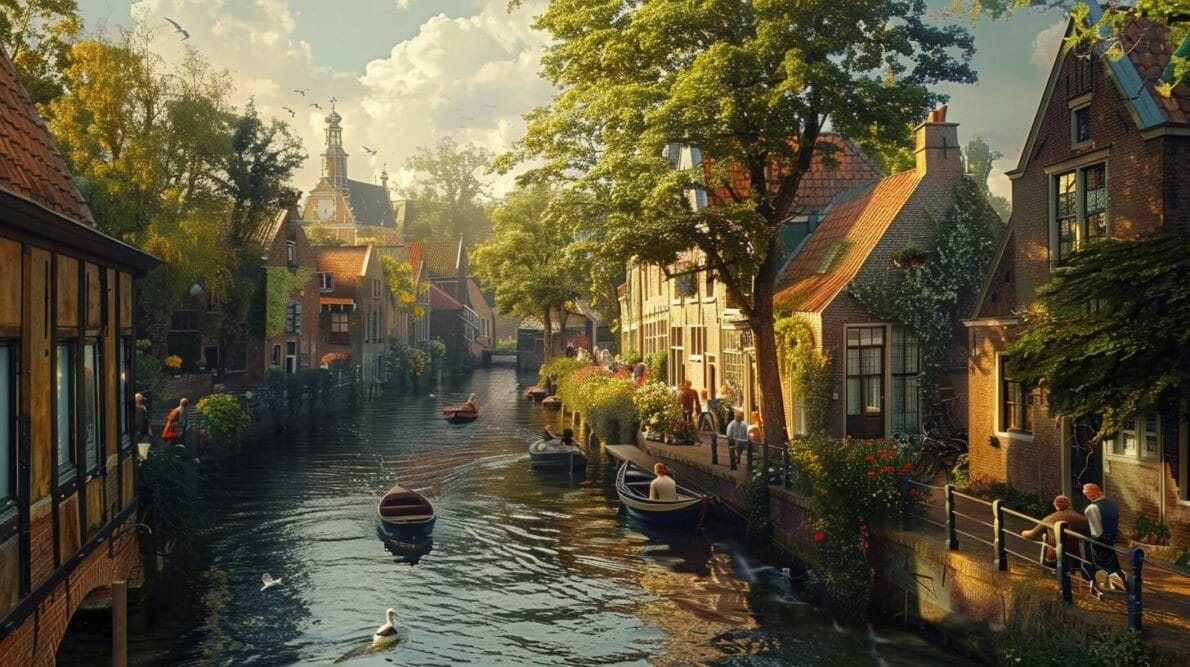
Protection and Prevention: The Foundation of Dutch Dikes
The dikes of the Netherlands are more than mere barriers; they are true giants of earth and technology that rise as sentinels against the tides. The construction of these structures began centuries ago, but it was after the devastating flood of 1953 that the country redoubled its efforts. The result was the robust “Delta Works”, a set of projects that not only reinforced existing dikes but also introduced technological innovations to prevent future disasters.
Continuous Innovation: Windmills and Modern Technology
Moreover, traditional Dutch windmills play a crucial role, not only as cultural icons but also as practical tools in water management. They help pump water out of the lowlands, keeping levels safe and cultivable. However, the maintenance and improvement of the dikes is an ongoing process that requires constant innovation and technological advancements.
-
U.S. City Builds Tiny Home Village on Water Company Land to House 136 Homeless People: Inside the Social Housing Units

-
Woman Turns Shipping Container into Home, Embraces Rural Life to Cut Monthly Expenses to Just Over $330
-
France Revamps 530 Social Housing Units with Large Balconies and Glass Facades Without Demolishing Existing Buildings

-
Facing high rent, couple transforms parents’ garage into a fully functional apartment, creating a complete home at a fraction of the market cost.




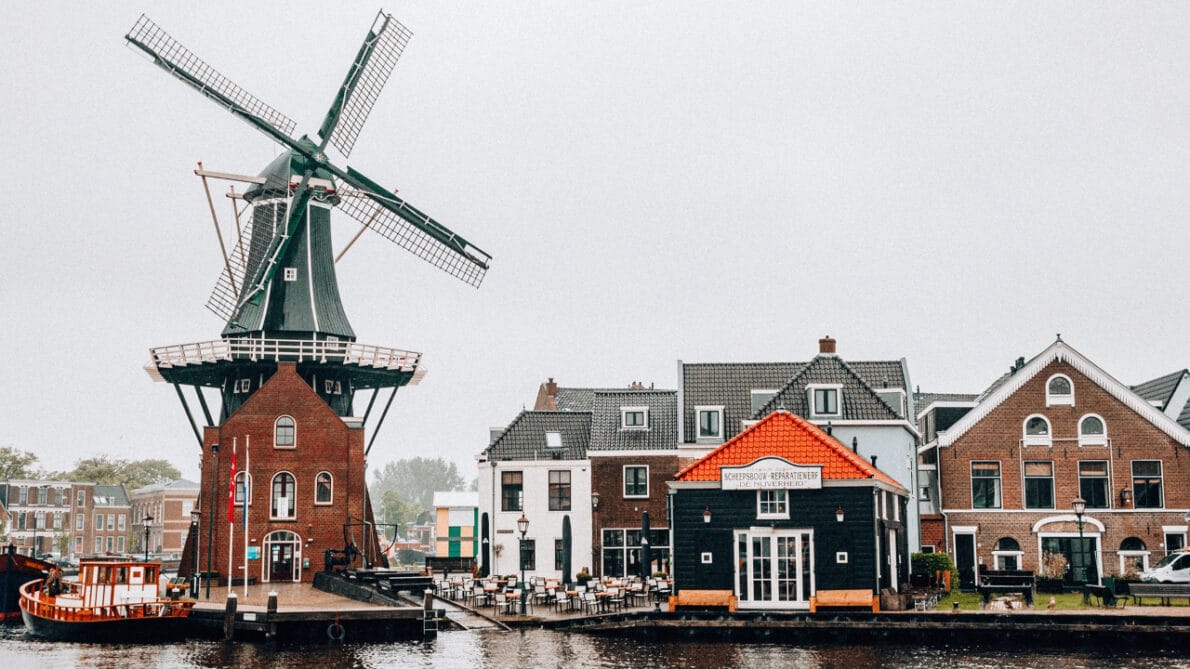
A Legacy of Resilience: The Dikes and the Future of the Netherlands
Looking to the future, Dutch dikes continue to be a testament to human capacity to overcome geographic challenges. They not only protect the land but also the population and economy of the country, ensuring that the Netherlands continues to thrive despite its vulnerable position below sea level. With each improvement, the dikes reaffirm their place as one of the wonders of the modern world and a shining example of civil engineering in action.