Portuguese
  Spanish



Study Reveals That 65.7% of Tested Solar Panels Do Not Deliver the Performance Promised by Manufacturers. Findings Raise Concerns About Quality and Transparency in the Solar Energy Sector
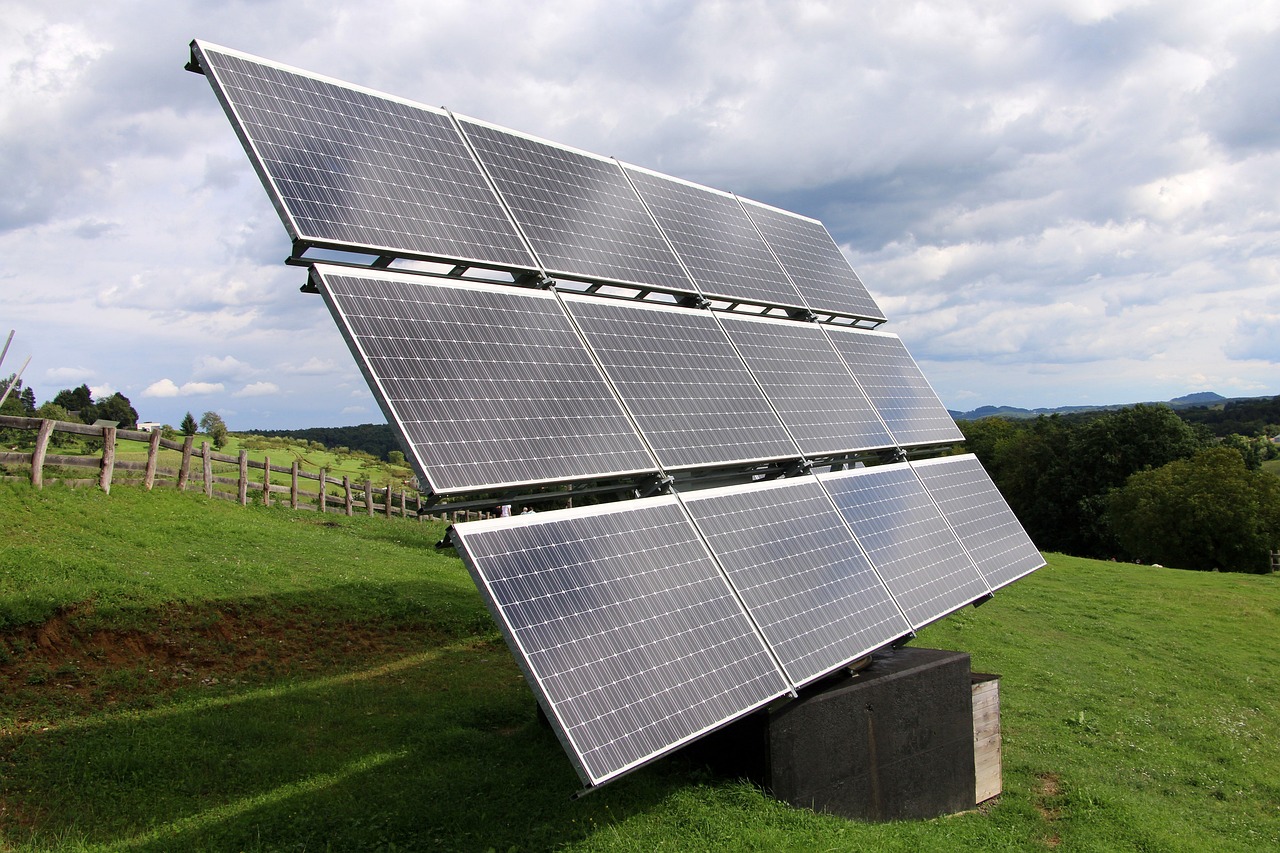
The quality of solar panels has declined in recent years, and this change may compromise energy efficiency on a large scale. In 2024, TÜV Rheinland revealed that 65.7% of the tested photovoltaic modules performed below what was promised by manufacturers. In 2015–2016, this number was only 28.3%.
The data comes from a long-term study that evaluated 519 modules from 17 manufacturers. This finding raises an alarm for the solar energy sector, especially for large solar parks that rely on the optimal performance of the modules to ensure financial return and environmental efficiency.
Each module with power below the specified rating represents a loss. Multiplied by thousands of units, the loss can be significant. This deviation directly impacts energy production and the return on investment for solar projects.
-
Solar energy can increase property value by up to 10% and become a selling point.

-
Solar and wind energy surpass natural gas for the first time in the world and accelerate energy revolution

-
Africa has about 500,000 cell towers and most still burn diesel to operate, while companies rush to cover antennas with solar energy and avoid signal blackouts.
-
Farmers swapped diesel for solar panels in Pakistan, powered irrigation pumps almost cost-free, expanded rice fields, and now groundwater has become a red alert in the countryside.




Mobile Solution for Testing Solar Panels in the Field
To tackle the issue, TÜV Rheinland developed a practical solution: the Mobile Solar Lab. This is a portable laboratory that allows for the evaluation of the modules directly on site where they are installed. This avoids the need to transport equipment to fixed laboratories, reducing costs and emissions.
The mobile lab can analyze up to 150 modules per day. This capacity enables rapid validation of large quantities of equipment, speeding up the commissioning of solar parks and ensuring better quality control from the start.
Field inspection also eliminates the need for disassembling the panels, representing an important operational advantage. The process is quicker, cleaner, and reduces risks associated with handling and transporting equipment.
Experience and Global Presence
TÜV Rheinland has been active in the solar energy sector for over 40 years. It has more than a thousand specialists in photovoltaic energy and is present on multiple continents, with laboratories and technical centers in the Americas, Europe, Asia, and Africa.
Every year, the company conducts over 50,000 tests on solar modules, inverters, storage systems, and components. The goal is to verify that the equipment meets the required standards for quality, reliability, and safety to ensure stable and sustainable energy generation.
Furthermore, TÜV Rheinland participates in innovation and research projects and collaborates with international standardization bodies. This allows for the continuous improvement of testing and certification methodologies.
Quality and Trust for the Energy Transition
Ensuring that photovoltaic modules deliver the specified power is crucial for the reliability of the solar sector. When this does not happen, losses accumulate. There may be a decrease in efficiency, an increase in maintenance costs, and even indirect emissions generation.
The use of mobile laboratories represents a technical and effective response to this scenario. By allowing quality control on-site, this technology reduces the environmental footprint of the process and strengthens market confidence in solar energy.
In the context of energy transition, every kilowatt needs to be accurately accounted for. Verifying the actual power of the modules has become more than just a technical measure. Today, it is an essential step in building a more efficient, reliable, and equitable energy system.
With information from EcoInventos.