





 Portuguese
  English
  Spanish
  4 min of reading
  0 comments


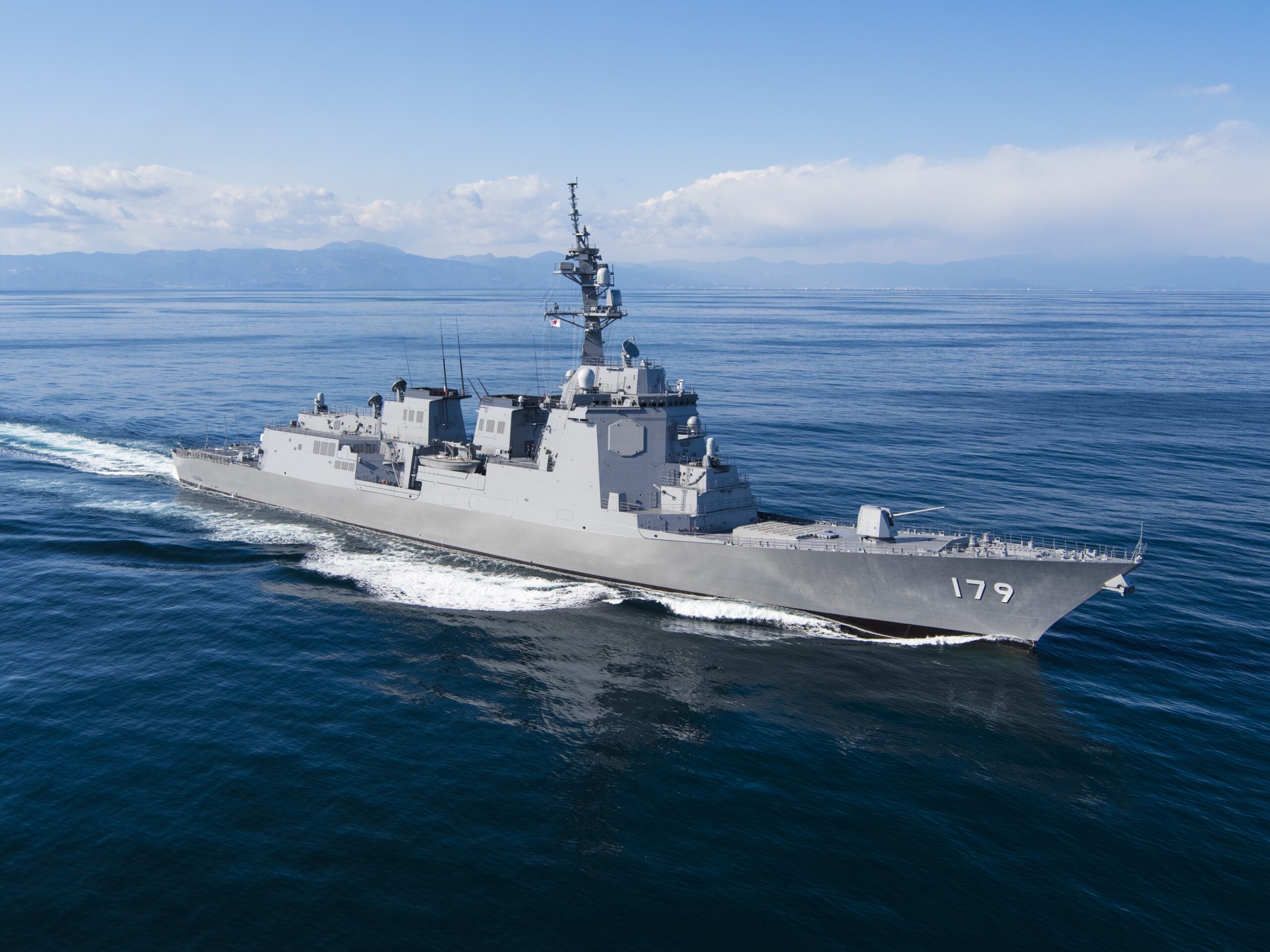
Maya-Class Destroyers of the Japan Maritime Self-Defense Force Combine Aegis System, SM-3 Missiles and Advanced Radar for Ballistic Missile Defense in the Pacific.
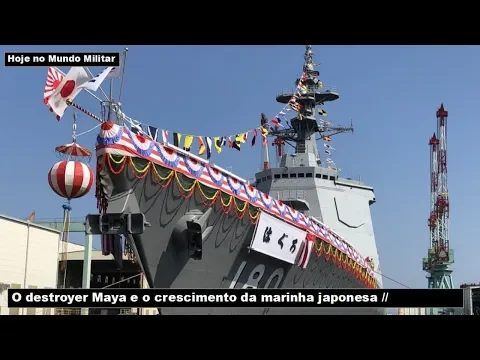
The growing proliferation of ballistic missiles in East Asia has led Japan to heavily invest in advanced naval defense systems. Among the key strategic responses is the construction of Maya-class destroyers, warships equipped with cutting-edge technology focused on detection, tracking, and interception of ballistic missiles.
These destroyers are part of the Japan Maritime Self-Defense Force and represent a direct evolution from the Atago class. With full integration into the Aegis combat system, the ships are capable of detecting airborne threats from long distances and coordinating interceptions with highly accurate missiles, including the SM-3, designed to neutralize ballistic missiles outside the atmosphere.
The introduction of the Maya class significantly enhances Japan’s ballistic missile defense capability and positions the country among global leaders in this strategic area.
-
Students drop out of ESA after reports of sergeants driving for Uber, and a silent crisis in the Armed Forces begins to worry candidates in 2026

-
More than 500 Marines, robots, drones, and armored vehicles are deployed in Rio de Janeiro for the UN to certify Brazil at the highest level of readiness for peacekeeping missions. It is the first force in the country to achieve this status in all of history.

-
With 24-meter wings, two turbodiesel engines, 49 hours of autonomy, and the ability to launch sonobuoys to hunt submarines, the Turkish drone Aksungur can monitor an area the size of Brazil for two consecutive days without landing.

-
Pentagon wants to transform drones into mass ammunition, produce 340,000 units in two years, and lead the US Army to a fleet of 1 million disposable aircraft for modern warfare.



Maya Class Represents Evolution of the Japanese Aegis Destroyer Fleet
Japan operates some of the most advanced destroyers in the world, many equipped with the Aegis system developed in the United States. The Maya class was designed to replace older ships and expand the country’s ballistic missile defense capabilities.
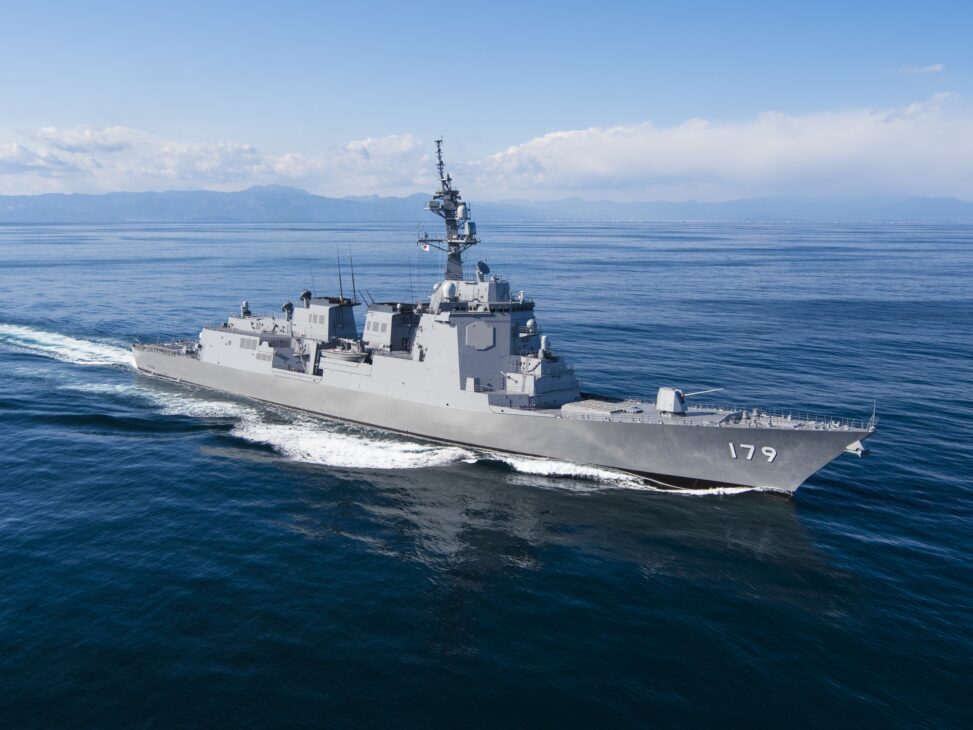
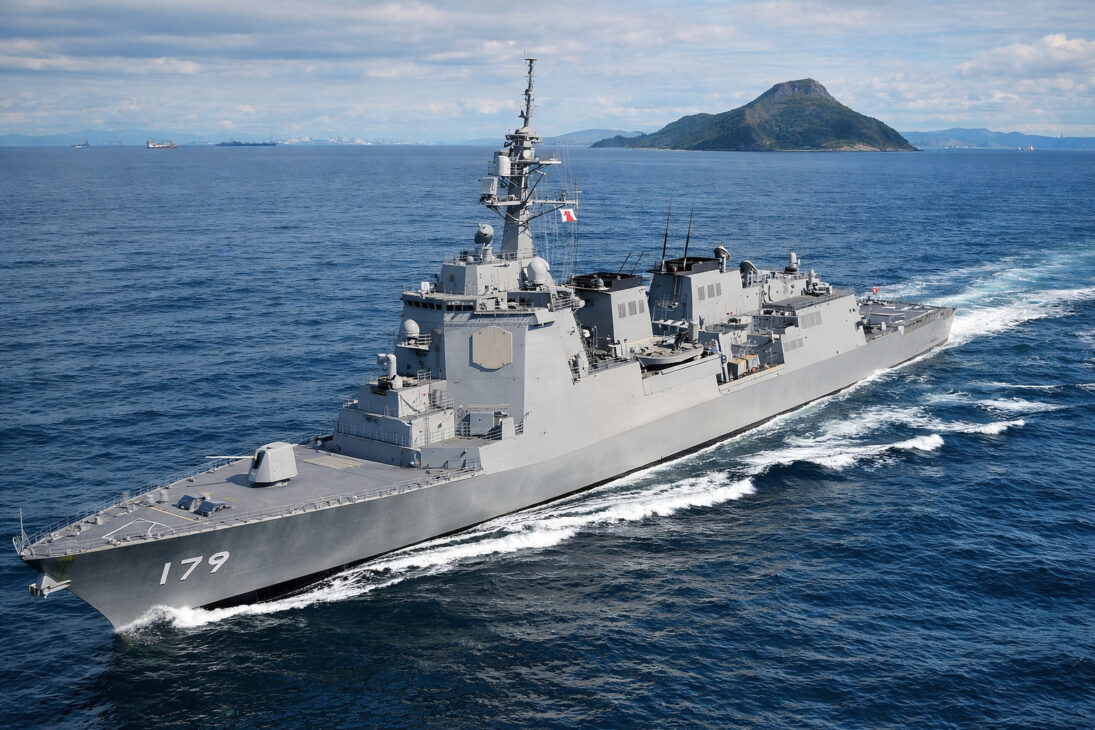
The Maya-class ships are approximately 170 meters long and displace around 10,000 tons, dimensions comparable to heavy destroyers of other navies. Among the main features are:
- Aegis Combat System Baseline 9
- High-power air surveillance radar
- Vertical launching system for missiles
- Integration with missile defense networks
These capabilities allow the destroyers to participate in an integrated defense system that includes ground sensors, satellites, and other allied ships.
Aegis System Allows Detection and Interception of Threats at Great Distances
The technological heart of the Maya-class destroyers is the Aegis Combat System, an advanced command and control system that integrates sensors, radars, and weapons into a single digital architecture. The system’s main radar is capable of simultaneously tracking hundreds of targets, including aircraft, cruise missiles, and ballistic missiles.
When a threat is detected, the system automatically calculates trajectories and interception solutions. This allows the ship to launch defensive missiles within seconds. Additionally, Aegis enables real-time data exchange with other military platforms, creating an extremely coordinated air and missile defense network.
SM-3 Missiles Are Designed to Destroy Ballistic Missiles in Space
One of the main armaments of the Maya class is the SM-3 (Standard Missile-3), developed specifically for ballistic missile defense. Unlike conventional missiles that use explosives to destroy the target, the SM-3 employs a method known as hit-to-kill. In this system, the interceptor collides directly with the enemy missile at high speed.
The impact typically occurs outside the Earth’s atmosphere, during the mid-flight phase of the ballistic missile. This technology enables neutralization of threats before they approach the protected territory.
Vertical Launch System Allows Operation of Different Types of Missiles
The Maya-class destroyers utilize vertical launch systems known as VLS (Vertical Launch System). This system consists of vertical cells installed on the ship’s deck that can store and launch various types of missiles. Among the armaments that can be used are:
- SM-3 anti-ballistic missiles
- SM-2 air defense missiles
- Anti-submarine missiles
- Short-range defense missiles
This flexibility allows the ship to perform multiple functions, including air defense, anti-submarine warfare, and protection of naval forces.
Japan Strengthens Defense in the Face of Regional Threats
The development of the Maya-class destroyers occurs in the context of growing geopolitical tension in East Asia. Japan faces security challenges related to ballistic missile programs in the region, especially from North Korea. Frequent tests of these armaments have demonstrated the ability to hit targets at great distances.

In this scenario, ships equipped with missile defense systems play a crucial role in protecting Japanese territory and allies. Additionally, Japanese Aegis destroyers frequently operate in cooperation with naval forces from the United States, expanding the regional coverage of missile defense.
Maya Class Expands the Strategic Role of the Japanese Navy
With advanced technology and integration with international defense networks, Maya-class destroyers represent an important leap in Japanese naval capability. These ships strengthen not only the defense of the archipelago but also Japan’s role in maritime security operations in the Indo-Pacific.
The combination of long-range sensors, digital combat systems, and interceptor missiles allows these destroyers to act as central platforms in modern missile defense networks. In this way, Japan consolidates its position among the countries with the world’s most technologically advanced naval fleets.








-

-

2 people reacted to this.