Portuguese
  Spanish


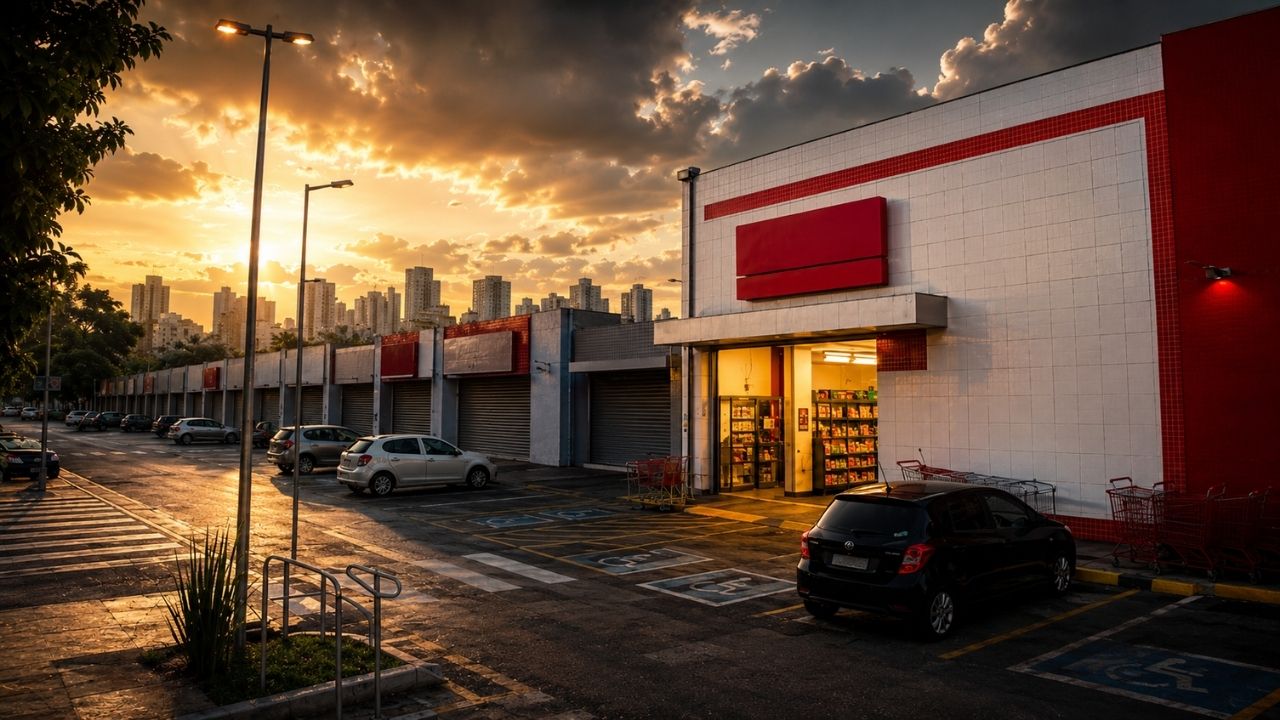

After store closures, Dia Supermarkets ends judicial recovery ahead of schedule and concentrates 238 units in São Paulo. The network tries to reorganize traditional supermarkets, advance with franchises, and respond to wholesale, after a debt of almost R$ 1.1 billion exposed pressure in the Brazilian food retail sector in a streamlined phase new strategy.
The supermarket sector follows the conclusion of judicial recovery of Dia, approved on Tuesday (16) by the Bankruptcy and Judicial Recovery Court of the District of São Paulo. The network went through store closures and tries to react to the advance of wholesale in food retail.
According to ND Mais, the company had entered judicial recovery in March 2024, with liabilities of almost R$ 1.1 billion, mainly formed by debts with banks and suppliers. Before and during the adjustment, it closed 343 stores, shut down three distribution centers, and concentrated operations in the state of São Paulo.
Judicial recovery ended ahead of schedule
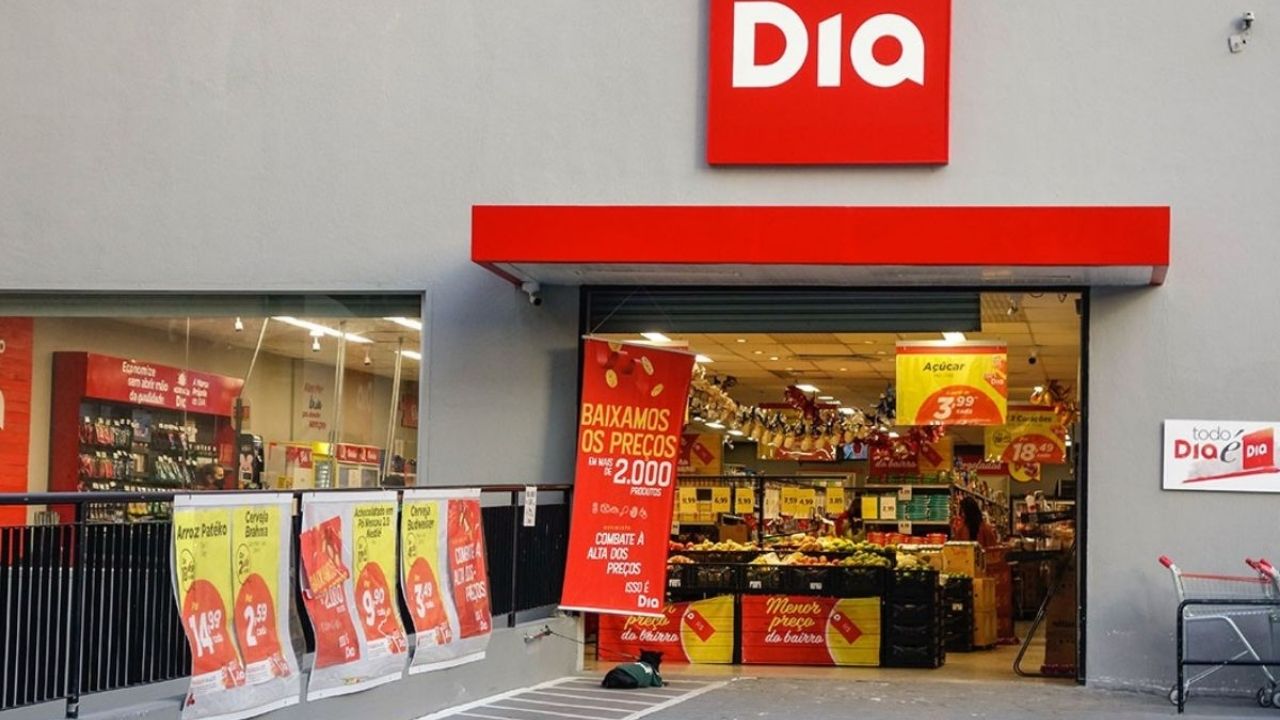
The conclusion of Dia Supermarkets’ judicial recovery marks a significant turnaround for the network in Brazil. The process, started in 2024, was completed ahead of the original forecast, after the company proved compliance with the obligations defined in the plan approved by creditors.
-
While NATO secured more than $10 billion in missiles and space surveillance at a single forum, Brazil still spends 1.1% of its GDP on defense and is stalling its own anti-aircraft system.

-
Corn ethanol attracts R$ 23 billion in 21 new plants and prepares for a nearly 50% jump in Brazilian production by 2027, even with high interest rates.
-
A newly opened terminal in the middle of the Amazon has begun transporting soy and corn through Amapá, eyeing the queue of ships that is congesting the ports in the South.
-
Tesla injected an additional $250 million into the German factory, doubled the battery cell target, and opened its own production line for startups.


The anticipation is presented by the company as part of a new operational phase. After drastically reducing the national presence, the network tries to show that survival involved shrinking, reorganizing processes, and focusing where it still maintains a stronger structure.
Debt of almost R$ 1.1 billion exposed financial pressure
The judicial recovery began amidst a debt close to R$ 1.1 billion. According to the source, the liabilities were mainly composed of commitments with banks and suppliers, which pressured the network’s ability to maintain operations on a national scale.
This scenario led the company to review the size of the business. In food retail, a supermarket chain can sell every day and still face a crisis if margin, cost, debt, and competition no longer fit in the same account.
Store closures changed the operation map
Before the request for judicial recovery, Dia Supermercados began a restructuring that included the closure of 343 stores in Brazil. The company also closed three distribution centers, reducing logistical complexity and concentrating efforts.
At the time, the network had 587 stores operating in the country. With the adjustment, the company reduced its presence and began to operate more concentrated. The closure of hundreds of units shows the size of the cut necessary to try to preserve the remaining operation.
Wholesale increased competition with traditional networks
Grupo Dia pointed out that the crisis was aggravated by factors such as rising commodity prices and the advance of competitors in the wholesale segment. This model gained strength in Brazil by combining competitive pricing, large volumes, and appeal to families seeking savings.
The pressure from wholesale directly affects traditional supermarket chains, especially those with higher operational costs and less ability to compete on price. When consumers migrate to cheaper formats, smaller stores need to prove convenience, proximity, and efficiency.
Operation now concentrated in São Paulo
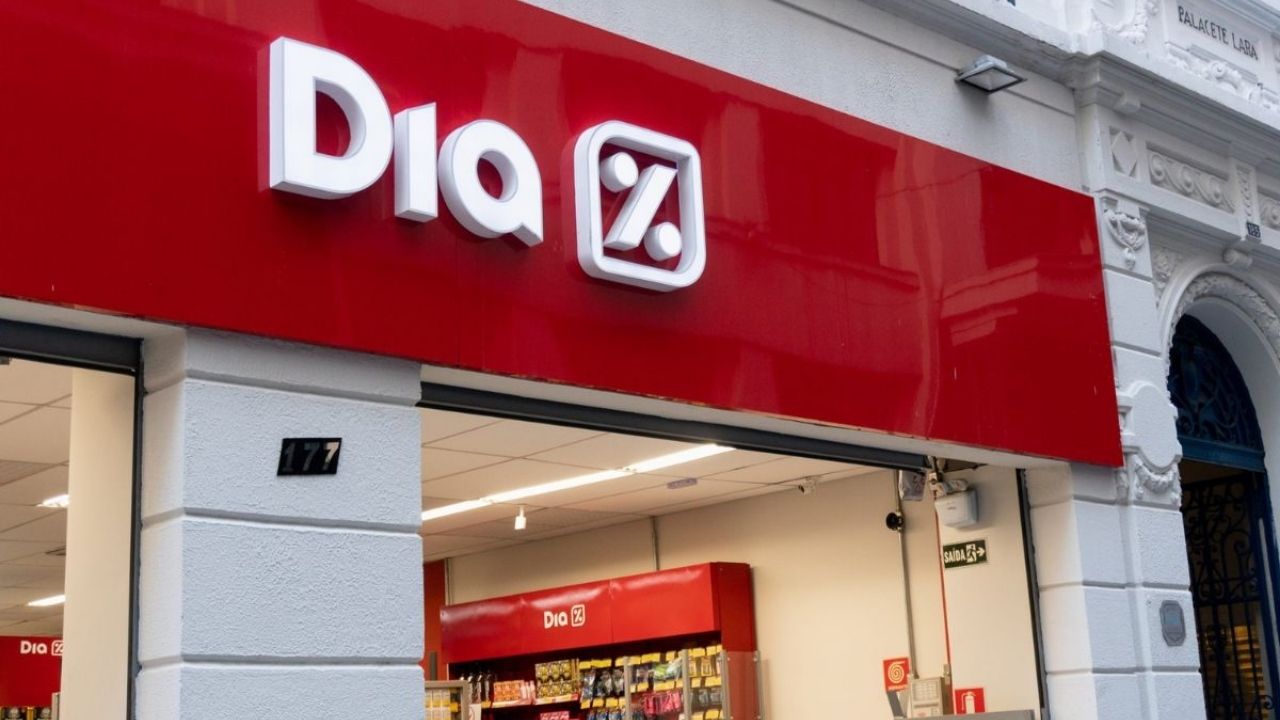
After the restructuring, Dia Supermercados maintains 238 own and franchised stores in the state of São Paulo. The company states that all units underwent revitalization during the judicial recovery period.
The concentration in the São Paulo market indicates a leaner strategy. Instead of trying to maintain a broad presence in various regions, the network starts working where it believes it has more capacity for reorganization, control, and growth. Fewer stores, in this case, became an attempt to gain financial breath.
Technology entered the transformation plan
In addition to store closures, the company announced operational changes, process reviews, modernization of units, and investment in technology. Among the projects mentioned is the final phase of implementing the SAP system.
This type of change usually seeks more control over inventory, purchases, operations, data, and management. For supermarkets that work with high volume and tight margins, technology can be decisive in reducing waste, improving decisions, and monitoring performance by store.
Franchises enter the company’s new cycle
With the end of the judicial recovery, Dia states that it is starting a new phase focused on sustainable growth, expansion of the franchise model, and improvement of customer experience. The strategy points to a smaller network but with more controlled operations.
The franchise model can help expand presence without repeating part of the burden of a fully owned expansion. Even so, the recovery depends on execution, consumer confidence, and the ability to compete with other already established supermarkets and wholesale clubs.
Restructuring shows change in food retail
The Dia Supermarkets case exposes a larger transformation in Brazilian food retail. Traditional networks face high costs, aggressive competition, and consumers increasingly attentive to the final purchase price.
In this environment, size alone does not guarantee protection. The closure of 343 stores shows that growing too much, without sufficient profitability, can become a risk when the market changes and consumers start comparing formats more intensely.
Process closure does not erase challenges
Exiting judicial recovery ahead of schedule is an important sign, but it does not end all the network’s challenges. The company still needs to prove that the new structure, with 238 stores in São Paulo, can sustain results, attract customers, and grow in a controlled manner.
The competition will remain tough. The wholesale club format remains strong, suppliers remain attentive to the financial history, and consumers compare prices daily. For the network, the question now is not just to survive, but to show that the new size can generate a healthier business.
Smaller, leaner, and still under pressure
The end of the judicial recovery of Dia Supermarkets shows a company that reduced its operation to try to preserve the future. The chain closed 343 stores, concentrated activities in São Paulo, maintained 238 units, and is trying to open a new cycle after a debt of nearly R$ 1.1 billion.
The case also raises a discussion about retail in Brazil. Do you think traditional supermarket chains can still compete with the rise of wholesale clubs, or has the Brazilian consumer permanently changed their shopping habits? Share your opinion.