Portuguese
  Spanish


Driving with the Tank on Empty Can Damage the Car and Increase Safety Risks; Understand the Reasons
Imagine this scene: you are driving to work, and suddenly the fuel reserve light comes on. You might think, “Oh, I can still drive a few more kilometers like this.” However, this practice can bring more problems than savings. Let’s understand why driving with the car on empty can be risky and what you can do to avoid problems in the future.
What Is the Fuel Tank “Reserve”?
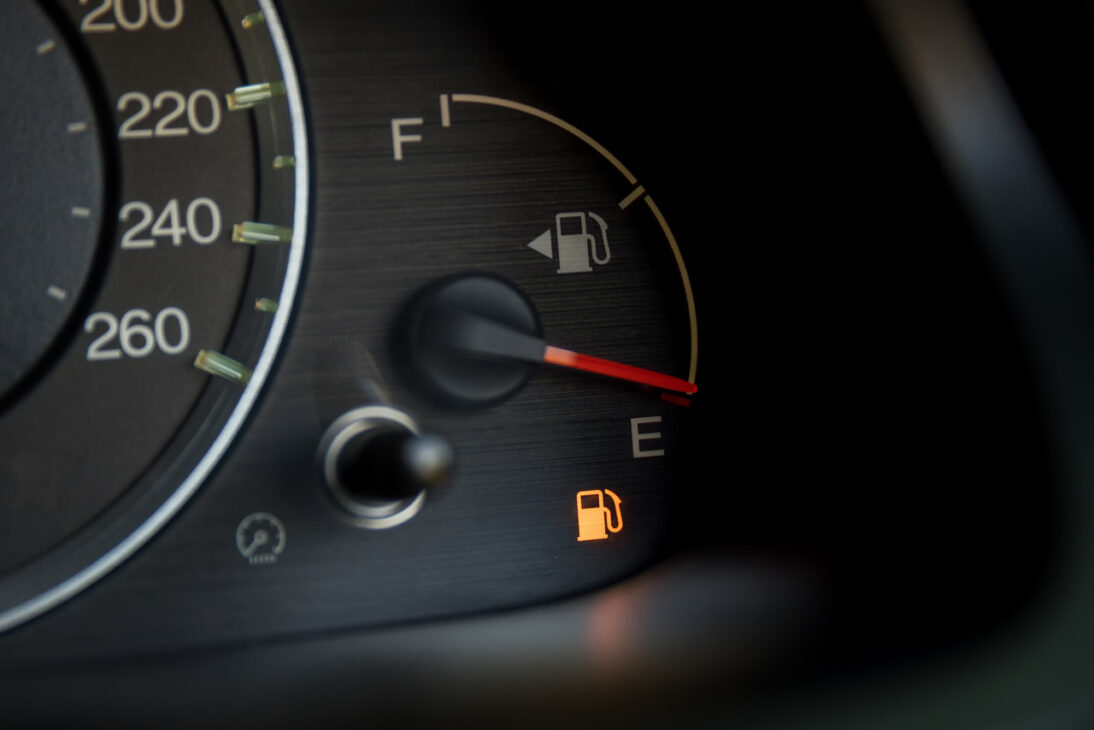
The fuel reserve is the minimum amount specified by the manufacturer for the car to keep running until you reach the nearest gas station. When the fuel light illuminates on the dashboard, it indicates that the tank is on reserve, with about 5 to 10 liters remaining, depending on the model. This amount is only for emergencies and does not mean that the car can drive much like this.
How Many Liters Fit?
Most vehicles have between 5 and 10 liters of fuel in reserve, with 5 liters being the most common in cars with a 1.0 engine. For larger vehicles, this amount may vary. However, it’s important to remember that this fuel is not intended for long trips and should only be used to reach the nearest gas station.
-
Kia K4 Launches in Portugal with 7-Year Warranty, Targets Volkswagen Golf with 1.0 Turbo Engine, Unavailable in Brazil

-
Uber Women Expands Across Brazil: Female Riders Can Now Choose Women Drivers, Schedule Rides, and Set Automatic Preferences

-
Brazil Plans to Launch Ethanol-Fueled Hybrid Cars in 2026 as an Alternative to Fully Electric Vehicles

-
Hyundai HB20S 2026 Surpasses Onix with Turbo Engine, Fuel Efficiency of 15.2 km/l, and Over 750 km Range, Leading Compact Sedan Sales in Brazil with 5,205 Units Sold.


Dangers of Driving with the Tank on Empty
Constantly driving with the tank on empty can damage the engine and cause other mechanical problems. Here are some of the risks you take by ignoring the fuel light:
1. Sediment Accumulation and Damage
Fuel contains small particles that, over time, accumulate at the bottom of the tank. When the car is on empty, the fuel pump begins to draw these sediments, which can damage components such as filters and fuel injectors. Instead of saving, you may end up with a high repair bill.
2. Dry Sump Risk and Fines
If the car stops due to lack of fuel and you cannot stop in a safe location, this could result in a fine and even towing of the vehicle, as per the Brazilian Traffic Code. A “dry dashboard” can disrupt traffic and endanger the safety of other drivers.
3. Damage to the Fuel Pump
The fuel pump requires liquid to maintain the ideal temperature and avoid overheating. When the tank is almost empty, it cannot cool properly, which can cause damage. Repairing or replacing a fuel pump can be expensive, making this apparent savings a significant expense.
How to Know When the Car Is on Empty?
There are some signs to identify that fuel is running low:
- Dashboard Light: A warning light indicating that you need to refuel.
- Fuel Gauge: Some cars have a digital gauge that shows the amount of fuel in kilometers. If this number is counting down quickly, it’s time to stop at a gas station.
- Reduced Performance: In more critical cases, the car may respond more slowly when accelerating, indicating that the fuel level is indeed low.
Myths and Facts About Fuel Reserve
Let’s demystify some ideas about driving with the tank on empty:
Myth 1: “You Can Drive Up to 100 km on Empty”
The number of kilometers a car can drive on empty varies depending on the model and type of fuel. While some vehicles can go up to 50 km, depending on this figure is risky.
Myth 2: “Driving with the Reserve Light On Results in a Fine”
A fine only occurs if the car stops and blocks traffic. However, this can still cause embarrassment and frustration.
Myth 3: “The Car Consumes More Fuel on Empty”
Fuel consumption does not change when the tank is on empty. What affects consumption is the way you drive and the condition of the car, regardless of the fuel level.
Myth 4: “The Tank Should Always Be Full”
It is not necessary to keep the tank full all the time. Just avoid letting it reach the reserve level frequently, as this helps preserve the engine and the fuel pump.
How to Plan Your Refueling
Having a refueling schedule can avoid many of the referenced problems. If you are traveling a lot, try to identify how many days or miles you can drive before needing to refuel. A good habit is to refuel when the tank is between ¼ and ½ full, as this helps keep the engine running well and prevents you from driving on empty.
Keeping the car out of the reserve is a simple action that can prevent headaches and unnecessary expenses. Remember that driving with the tank on empty may seem like a savings, but the risks outweigh the benefits.