Portuguese
  Spanish


Global Pork Market Faces Instability With Trade Disputes, Sanitary Risks, And Cost Variations Directly Impacting Brazil And Exporters
The global pork market is going through a period of strong instability. Trade negotiations, combined with sanitary risks and variations in input costs, are shaping a challenging scenario for producers and exporters.
The quarterly report from Rabobank, led by Chenjun Pan, highlights that the outcomes of these negotiations will have a direct impact on countries like Brazil.
Negotiations In Focus
Disputes between the United States and China continue to dictate the direction of the sector. China has reduced direct purchases of American pork in recent years as it has strengthened its domestic production.
-
From a 12-square-meter room to leading a $4.8 billion fuel empire with over a thousand stations

-
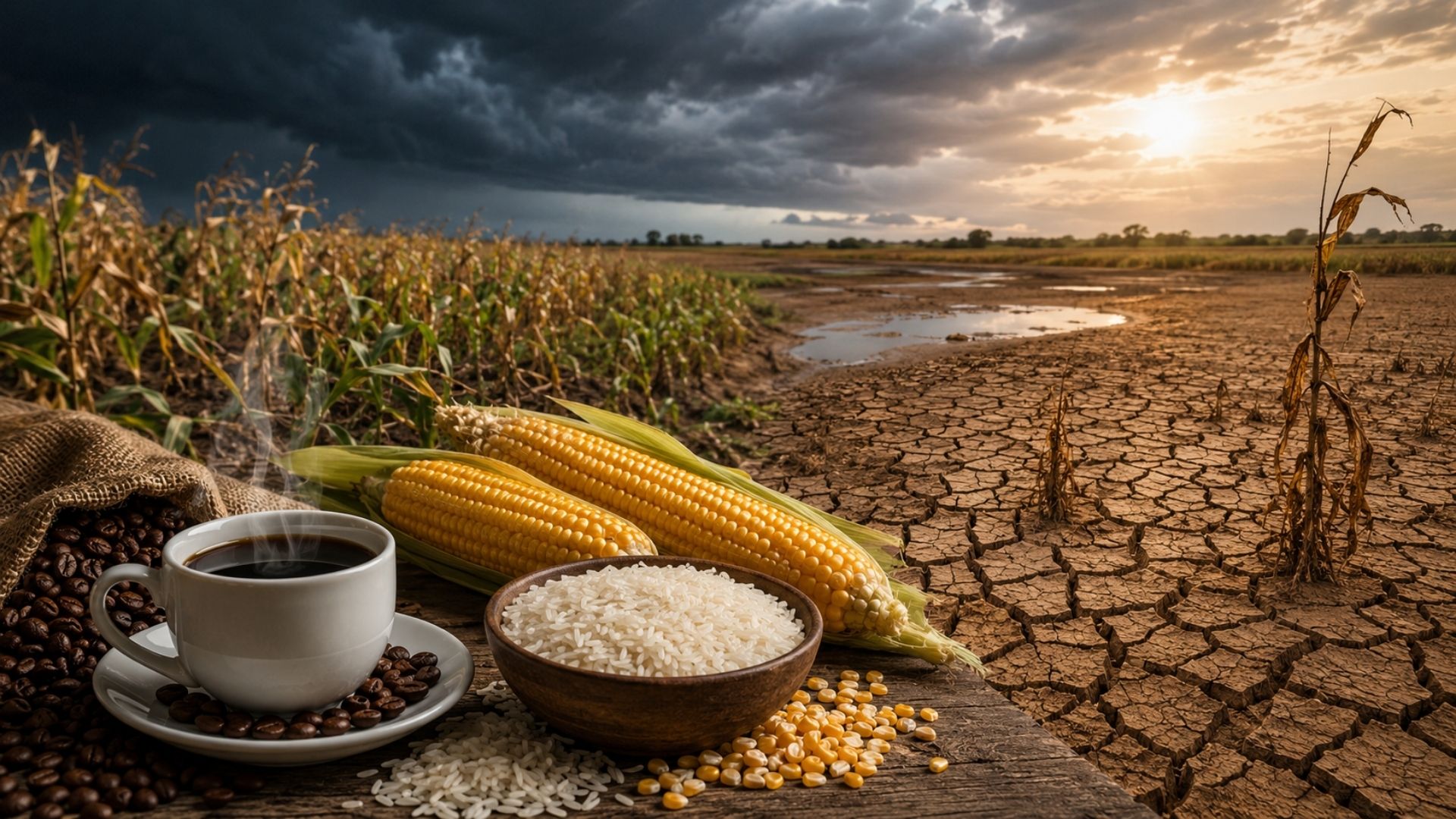
El Niño Threatens Brazilian Food Production, Economists Predict Rising Prices for Coffee, Corn, and Rice
-
Brazil’s First Freight Railway Built from Scratch, EF-118 Connecting Espírito Santo to Rio de Janeiro, Goes to Auction in October Attracting Chinese Giant in Multi-Billion Dollar Bid for Southeast Rail Network

-
Audit in Rio de Janeiro’s State Government Uncovers Ghost Employees Across All 77 Departments, Leading to Over 4,000 Dismissals and Significant Cost Savings




Nevertheless, it remains relevant as a buyer of U.S. pork byproducts. The most important point is that the outcome of these negotiations could change the entire dynamic of international trade.
Meanwhile, Brazil is seizing the opportunities that arise. National exports are advancing rapidly and gaining ground in new markets.
The European Union is also expected to see moderate growth in 2025, further increasing global competition.
Brazilian Exports
According to the Brazilian Association of Animal Protein (ABPA), Brazil exported 848.8 thousand tons of pork between January and July 2025. The volume includes both fresh and processed products.
Santa Catarina leads the shipments, with 64.5 thousand tons in July. This figure represents a decline of 14.5% compared to the previous year. Next is Rio Grande do Sul, with 29.3 thousand tons (-3%).
Paraná ranks third, with 18.8 thousand tons, an increase of 1.9%. Minas Gerais shipped 3.4 thousand tons, growing by 4.1%. Mato Grosso totaled 2.8 thousand tons but recorded a sharp decline of 27.3%.
Thus, Brazil’s performance shows significant advancements, despite important regional fluctuations.
Sanitary Risks
In addition to competition, the sector faces persistent sanitary risks. African swine fever (ASF) continues to advance in parts of Asia and Europe.
The porcine reproductive and respiratory syndrome (PRRSv) affects productivity in North America and also in Spain.
Another point of concern is foot-and-mouth disease, which exerts pressure on governments and companies. Therefore, there is an increasing need for investments in advanced biosecurity, automation, and even uncrewed operations, which reduce exposure to outbreaks and losses.
Costs In Motion
In terms of costs, corn is showing positive signs for production. Prices on the Chicago Board are falling due to favorable weather conditions in the U.S. and a record crop in Brazil.
On the other hand, the soybean market shows different movements. Proposals from the U.S. Environmental Protection Agency (EPA) for biofuel mandates in 2026 and 2027 are supporting oilseed prices. In contrast, soybean meal is facing downward pressure.
Outlook
According to Rabobank, the pork sector is experiencing a decisive year. International competition is increasing, input costs are falling, and trade negotiations remain volatile. Moreover, the sanitary threat remains active.
The analysis indicates that there will be opportunities for those who are prepared to react quickly. The ability to adapt may determine who will gain market share and who will be left behind.
With information from Agricultural News.