






 Portuguese
  Spanish




Unlocking The Strategy Of Energy Utilities To Keep Captive Consumers
As the Free Energy Market opens its doors to all consumers in group A in 2024, a new controversy arises, questioning the integrity of energy utilities. Reports suggest that these companies are working to hinder the migration of their most profitable customers to the free energy market, a maneuver that many interpret as an attempt at sabotage.
Historically, the free energy market represents an opportunity for consumers to negotiate directly with energy generators or traders, potentially obtaining more competitive prices and favorable conditions. This scenario promises more autonomy and savings for end users, but it seems to be under threat from the recent actions of the utilities.
Transition Process To The Free Energy Market
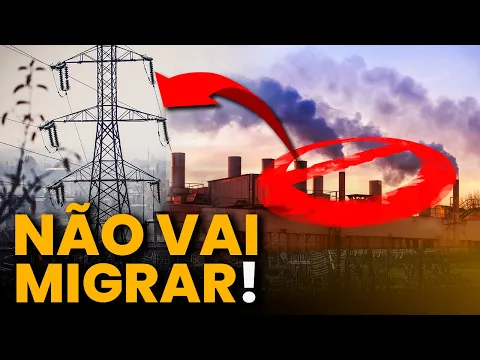

The root of the problem lies in the transition process to the free energy market. For this change to occur, it is necessary to finalize the existing contract with the utility. However, energy utilities are being accused of automatically renewing these contracts months before their expiration, preventing consumers from exercising their right to migrate to the free market.
-
More than 1,000 residents of a remote island in Kiribati now have clean water and electricity with solar systems operated by the community itself.

-
Ceará brings together 7 giants and R$ 66 billion to transform Pecém into the largest green hydrogen hub in Brazil, with final decisions expected by the end of 2026.

-
Scientists Convert Factory Waste Heat into Hydrogen Using Perovskite Catalyst at Significantly Lower Temperatures
-
Airbus and MTU Launch Joint Venture to Advance Hydrogen-Powered Electric Aircraft Engines, Paving the Way for a New Era of Low-Emission Commercial Aviation



The Brazilian Association of Energy Traders (ABRACEL) has taken the lead in fighting these practices, reporting the utilities’ actions to the National Electric Energy Agency (ANEEL). In response, ANEEL published regulatory resolution 1081 in December 2023, establishing that contracts for energy purchase in the regulated market will have an indefinite duration after the end of the existing contract. This change aims to facilitate the migration of consumers to the free market, making the process quicker and less susceptible to obstructive maneuvers.
The Future Of The Free Energy Market
This measure, while representing a victory for advocates of the free market, also highlights the need for continuous vigilance against practices that may harm free competition and consumer choice. The free energy market is at a crossroads, with its potential to offer more economical and sustainable choices to consumers being tested by the strategies of energy utilities.
Now, the ball is in the court of consumers and regulators to ensure that the free energy market remains a viable and attractive option. The energy utilities, for their part, will need to adapt to this new landscape, finding ways to offer value and quality service without resorting to tactics that may be seen as anticompetitive. The saga of the free energy market in 2024 is a reminder that, in the field of electricity, the battles for justice, transparency, and consumer choice are far from over.


