





 Portuguese
  English
  Spanish
  5 min of reading
  0 comments


At the bottom of a natural well of crystal-clear water on the Yucatán Peninsula in Mexico, underwater archaeologists found a breathtaking stash: more than 150 firearms and even a cannon, deliberately thrown there almost two centuries ago and preserved by the still water as if time had frozen.
The discovery took place in a cenote called Síis Já, one of those freshwater holes that dot the Yucatán landscape and which the ancient Maya considered sacred. It was not just any deposit, nor an accident: everything indicates that the weapons were deliberately hidden, in one of the tensest chapters of Mexico’s history, and remained there waiting to be found.
Why a cenote preserves so well what falls inside
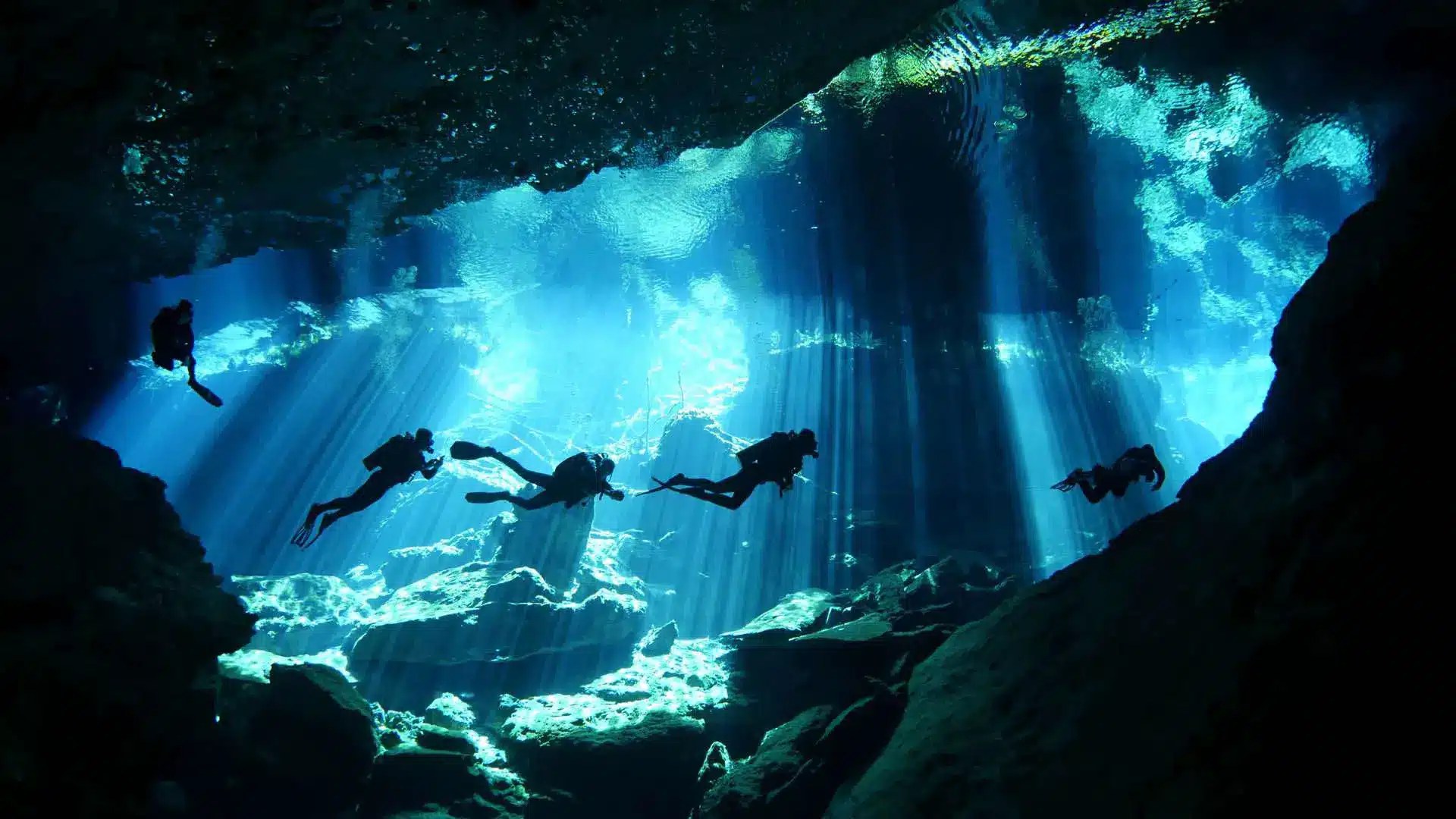
Cenote is the name given to these natural wells that form when the roof of a limestone cave collapses and exposes the underground water. The Yucatán Peninsula is dotted with them, with thousands spread across the territory, and for the Maya, they were much more than water reserves: they were sacred portals, places of offering, and even ceremony. That’s why so many ancient things appear at their bottom.
And what falls there tends to be preserved in an impressive way. The water in the cenotes is usually cold, still, and low in oxygen, precisely the combination that slows corrosion and decomposition. A metal object that would rust in a few years on the surface can remain almost intact for centuries under this water. I confess it’s a bit scary to imagine what else still rests, forgotten, at the bottom of these wells throughout the peninsula.
-
Road built to alleviate traffic in DF ends up blocked by fences and barbed wire: residents discover that the construction went through legally sold private lots and now demand answers from Samambaia, Terracap, and Novacap about public losses and mandatory detour.

-
Specialist warns about ham, salami, whey protein, and ready-made lasagna and reveals what really counts as healthy protein in the diet

-
Experts reveal 20 anti-inflammatory foods that naturally boost immunity and can transform your health throughout the year.
-
The daily coffee can hide one of the most unexpected strategies to tackle the climate crisis, combat urban loneliness, and rebuild the human bonds that sustain communities in times of chaos.


This relationship of the Maya with the cenotes is ancient and well-documented. The most famous case is the Sacred Cenote of Chichén Itzá, from which, over more than a century of explorations, objects of gold and jade, ceramics, and even human bones were removed, all offered to the deities in rituals. When you understand that these wells were treated as doors to the world of the gods, it becomes easier to comprehend why so many important, sacred, or dangerous things ended up thrown inside over the centuries.
An arsenal hidden in the middle of an uprising
Dating points to a specific and dramatic period: the Caste War, the long uprising of the Maya peoples against the government and large landowners, which began in 1847 and dragged on for decades. It was one of the longest internal conflicts in Mexican history, and for much of it, the interior of Yucatán was under rebel control.
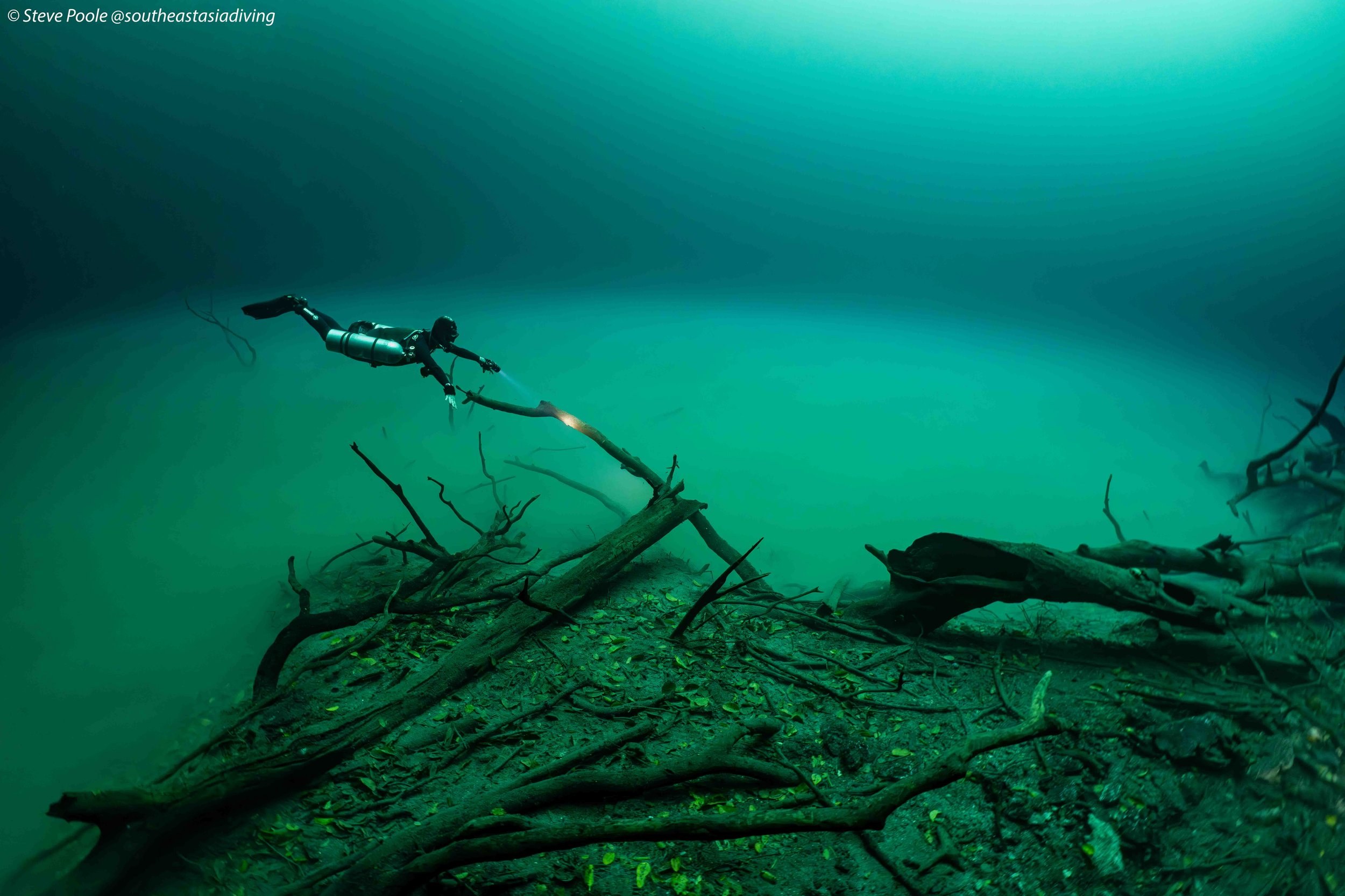
It is in this context that the stash makes sense. According to researchers, the 150 weapons and the cannon were thrown into the cenote precisely to keep them out of the reach of the Maya rebels, or hidden by them for future use. In a war fought in the bush, far from cities, controlling who had access to gunpowder and iron could decide the fate of an entire region. Throwing an arsenal into a sacred and deep well was an efficient way to take it out of circulation.
To give an idea of the conflict’s scale, the Caste War was only officially considered over at the beginning of the 20th century, after more than fifty years of fighting, truces, and resumptions. For much of that time, the eastern portion of Yucatán functioned almost like an independent Maya territory, outside the control of the Mexican government. A stash of weapons at the bottom of a cenote was not, therefore, an isolated act of desperation, but part of the logistics of a long war, where every rifle counted and every hiding place could make a difference months later.
What a pile of scrap metal still has to say
It may seem like just historical scrap, but each piece of this set is a source of information. The type of weapon, the origin, the state of preservation, and the way they were deposited help archaeologists reconstruct who was on which side, how they armed themselves, and what routes they used in that forgotten part of the war. It is history told not by the books of the victors, but by the objects that no one had time to explain.
Interest in this type of site has grown significantly in recent decades, as technical diving equipment has become more accessible and research institutes have begun to treat cenotes as true submerged archives. Each expedition that descends into one of these wells usually returns with something that rewrites a piece of local history, from ice age animal bones to traces of the first populations that arrived in the Americas. The arsenal of Síis Já is just the most recent example of how the water’s depths hold what the solid ground has already forgotten.
Working on such a site, however, is anything but simple. Divers need to descend with specialized equipment, map each item before touching it, and deal with the fragility of pieces that have withstood two centuries submerged and may disintegrate upon contact with air. We often associate archaeology with desert and shovel, but many of the most surprising discoveries today come from underwater, in places like this.
The most fascinating thing is to think about how many stories like this are still hidden in the dark. Yucatán has thousands of cenotes, most never thoroughly explored, each potentially hiding its own chapter of a violent and poorly told past. Síis Já has revealed its own. I wonder what the others still hold.
If a single cenote hid an entire arsenal from a war, what might the thousands of others in Yucatán still have at the bottom? Share what you think below.




Be the first to react!