Nutritionist explains how ultra-processed foods impact daily nutrition, clarifies doubts about cold cuts, supplements, and industrialized products, and shows what deserves attention in the search for a balanced diet
Many people seeking a healthy diet often wonder if foods like ham, salami, whey protein, coconut yogurt, and frozen lasagna can be part of a balanced diet. After all, many of these products frequently appear in the daily lives of Brazilians and are often seen as practical sources of protein.
The information was released by the newspaper O Globo, through the Vida Boa project, which gathered responses from sports doctor and nutritionist Eduardo Rauen, considered one of the main references in nutrition in Brazil. The specialist clarified doubts sent by readers and explained how the classification of foods can directly influence health.
Moreover, the debate gains relevance because the consumption of ultra-processed foods continues to grow across various segments of the population. Therefore, understanding the difference between natural, processed, and ultra-processed foods has become essential for those who wish to improve their diet and strengthen their health in the long term.
-
Driver Crosses 100-Year-Old Railway Bridge Over Uruguay River, Encounters Rural Couple Preserving Traditional Farming Methods

-
Rural Producer Returns to Brazilian Farmland, Builds Family Agricultural Business with Children’s Support and Industry Backing
-
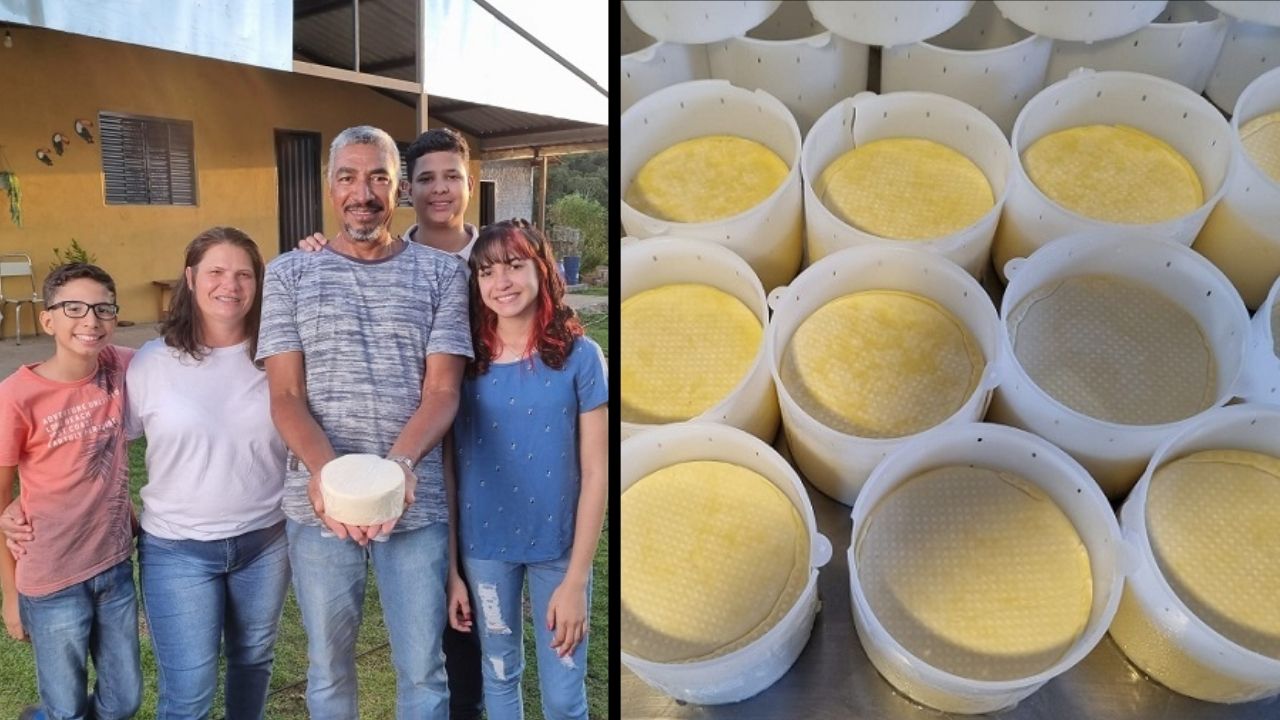
Goiás Couple Boosts Artisan Cheese Production from 25 to 70 Kilos Daily with Technical Support, Transforming Family Life in Rural Brazil
-
13-Year-Old Discovers Ancient Roman Ring Near Mount Carmel, Now Set for Display in Jerusalem



Can cold cuts be part of the daily protein goal?
One of the most common doubts involves cold cuts. Products like ham, Parma ham, and salami are often consumed as quick sources of protein. According to Eduardo Rauen, they do indeed provide high-quality protein.
However, this does not mean they should be consumed freely or in large quantities. The specialist highlights that these foods present known health risks when consumed frequently.
In the case of Parma ham, for example, it is not considered an ultra-processed food. According to the NOVA classification, it belongs to Group 3, which includes processed foods. Even so, excessive consumption can be harmful due to the amount of sodium and the preservation processes used.
Therefore, although cold cuts can contribute to daily protein intake, specialists recommend moderation and preference for more natural sources of protein, such as fresh meats, eggs, fish, and legumes.
Is whey protein ultra-processed? Specialist explains
Another common question involves whey protein. Widely used by those who engage in physical activity, the supplement is considered an ultra-processed food according to the NOVA classification.
This is because its manufacturing involves industrial-use substances, including protein isolates and specific additives. Despite this, Eduardo Rauen explains that whey protein can play an important role in specific situations.
According to the nutritionist, the supplement can help athletes, the elderly, and people who find it difficult to meet their daily protein needs solely through traditional food.
The daily recommendation mentioned by the specialist varies between 1.2 and 1.5 grams of protein per kilogram of body weight for healthy adults. For the elderly, the recommendation is between 1.5 and 1.8 grams per kilogram of weight.
Thus, whey should act as a supplement and not as a substitute for meals. Additionally, it can be consumed with water, skim milk, or yogurt, depending on the nutritional goal.
If the focus is on protein gain, milk can be an interesting option. On the other hand, those seeking calorie control often prefer preparation with water.
Coconut yogurt, frozen lasagna, and the most consumed ultra-processed foods
Coconut yogurt also arouses curiosity among consumers concerned with healthy eating. According to Rauen, the classification depends directly on the product’s composition.
If the food contains only natural coconut milk and live bacterial cultures, it can be considered processed, belonging to Group 3 of the NOVA classification.
However, most versions available on the market contain ingredients such as vegetable protein isolates, modified starches, emulsifiers, thickeners, colorings, flavorings, sugar, and artificial sweeteners. In this scenario, they are classified as ultra-processed.
Ready-made lasagna represents a classic example of ultra-processed food. Products of this type undergo various industrial processes and generally contain ingredients specifically formulated to increase shelf life, texture, and flavor.
According to the NOVA classification, ready-made lasagnas, frozen pizzas, pre-prepared pasta, and industrialized hamburgers belong to Group 4, designated for ultra-processed foods.
Is there a healthy ultra-processed food?
One of the most debated questions currently is whether there is any ultra-processed food considered healthy.
According to Eduardo Rauen, scientific evidence shows that all ultra-processed foods are inferior to their minimally processed or natural equivalents.
This does not mean that all have the same negative impact. Some products, such as certain yogurts, cereals, and industrialized breads, may have a better nutritional profile than sodas, filled cookies, or ice creams.
Even so, when comparing an ultra-processed food with its natural or minimally processed version, the less industrialized option remains the most recommended for health.
The NOVA classification divides foods into four main groups. Group 1 includes natural or minimally processed foods, such as fruits, vegetables, fresh meats, milk, and grains. Group 2 includes processed culinary ingredients, such as salt, sugar, butter, and oils. Group 3 encompasses processed foods, while Group 4 includes ultra-processed foods.
Therefore, experts emphasize that the best strategy to strengthen immunity, control inflammation, and maintain a balanced diet continues to be prioritizing natural foods and reducing the frequent consumption of highly industrialized products.
Do you usually consume ham, whey protein, or other ultra-processed foods on a daily basis? How do you try to balance practicality and healthy eating?