Portuguese
  Spanish


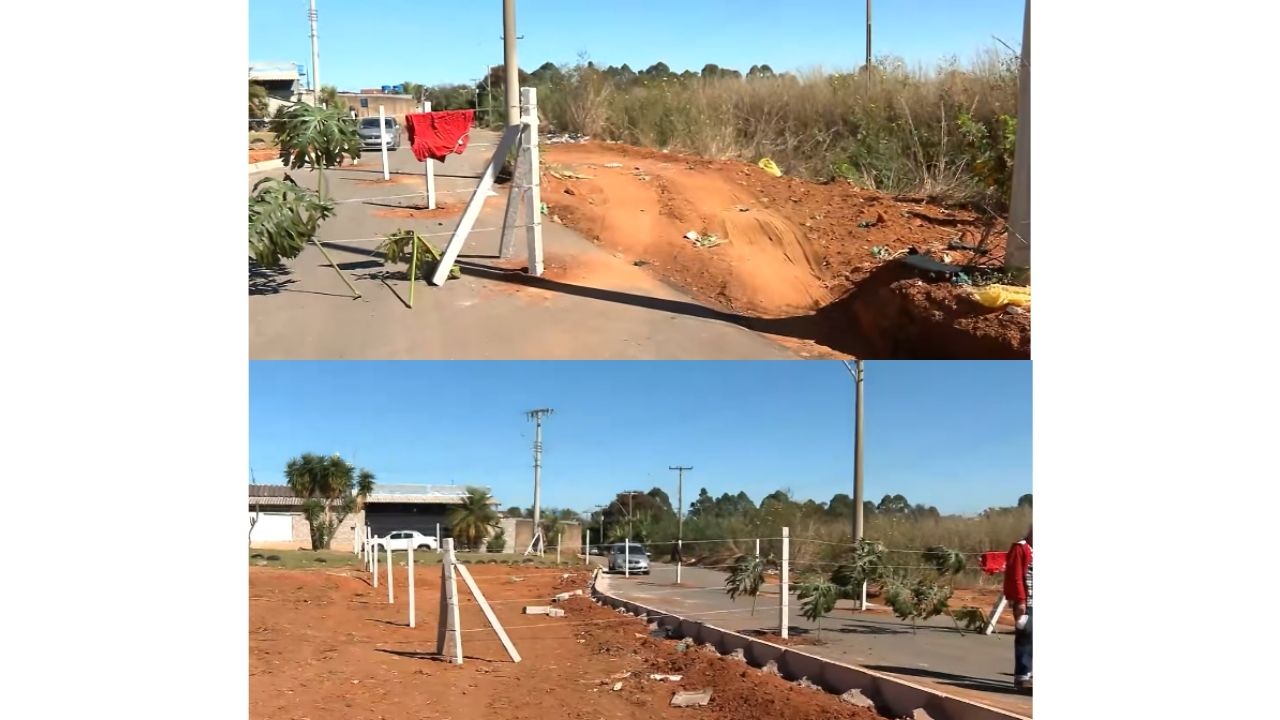
With the road in DF blocked in Samambaia, residents report that legally sold private lots were in the path of the construction. Fences and barbed wire blocked the passage, while Terracap and Novacap are questioned about planning, supervision, public loss, and the detour that remains mandatory for drivers in the local administrative region.
A road in DF built to improve traffic in Samambaia, between blocks 8 and 10, became a complaint after fences and barbed wire appeared in the middle of the road. The case was shown in a video published by Record Brasília on June 6, 2026, with residents demanding answers about the construction.
According to the report published by Record Brasília on June 6, 2026, the construction had started at the end of 2025 and was already completed when the blockage by fences was recorded. The problem arose because, according to residents interviewed on-site, part of the path went through legally sold lots.
Construction was expected to ease traffic in Samambaia
The new road was seen by residents as a solution to ease traffic in a busy area of Samambaia. The idea was to create an alternative circulation route between blocks, reducing dependency on the main road and facilitating daily commutes.
-
Strawberry Moon to Be Visible in Brazil on Monday (29th); Here’s When and How to Watch

-
Driver Crosses 100-Year-Old Railway Bridge Over Uruguay River, Encounters Rural Couple Preserving Traditional Farming Methods
-
Rural Producer Returns to Brazilian Farmland, Builds Family Agricultural Business with Children’s Support and Industry Backing
-
Goiás Couple Boosts Artisan Cheese Production from 25 to 70 Kilos Daily with Technical Support, Transforming Family Life in Rural Brazil


The expectation was for a real improvement in the community’s routine, especially for those who drive through the region for work, to take family members to the hospital, or to access other areas of the city. According to residents interviewed on-site, the road could help a lot if it were open to traffic.
However, what seemed to be an urban mobility project ended up becoming a stalemate. The road was completed, but part of the route was blocked by fences installed over sections that, according to residents, correspond to private lots.
With this, the track in DF that was supposed to reduce travel time has started to generate doubts and complaints. Those trying to circulate through the section encounter physical barriers, barbed wire, and, in some points, need to follow a dirt path to cross the area.
Fences and barbed wire appeared in the middle of the road
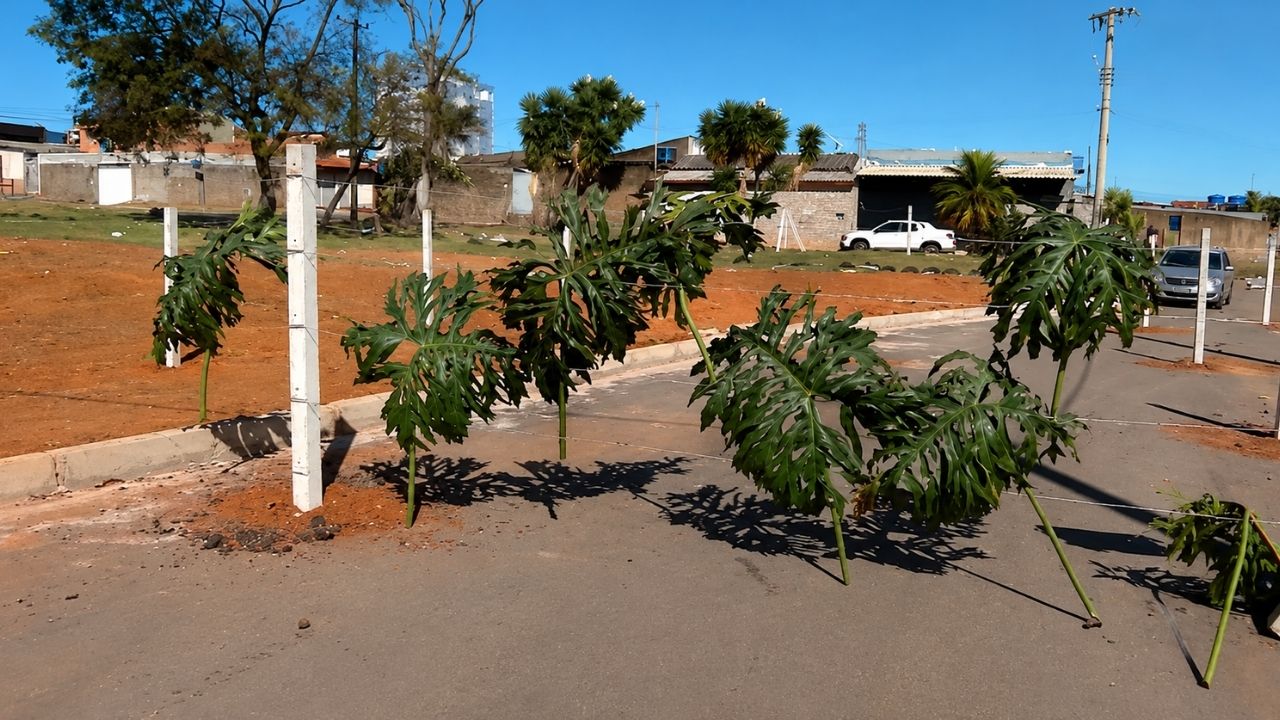
The situation drew attention because the fences were placed exactly where the track was built. According to local reports, the landowners identified that the construction encroached on private areas and decided to mark the lots.
The central point of the complaint is that the lands are not invasions, but officially sold lots. Residents claim that there are records and reports in ombudsman offices indicating that the areas were sold by Terracap.
One of the residents reported that seven lots were involved in the confusion, with only one of them not sold, according to the version presented locally. Therefore, the community demands explanations on how the construction progressed without the layout being compatible with the land situation.
The presence of barbed wire increased the sense of improvisation and frustration. For those expecting a new urban route, the image of a newly constructed track blocked by fences has come to symbolize a lack of planning and possible oversight failure.
Residents demand answers about planning and public money
Among the residents, the main demand is to know how a public work came to be executed in an area that supposedly had an owner. The question that repeats itself is simple: before building, was there an adequate survey of the lots, project analysis, and urban plan check?
The criticism is not necessarily against the track, but against the way it was planned and executed. Several residents recognize that the construction would be useful for the region. The problem, according to them, is that the construction apparently did not consider the existence of the sold lands.
The expression “public money” appeared in the complaints because, if the road needs to be altered, corrected, or diverted, the construction may generate new costs for the public authorities. The concern is that the failure ends up being paid by the population, while the promised benefit remains incomplete.
In practice, the track in DF was already born with a concrete obstacle: it’s not enough for the asphalt to be ready if the path crosses private areas. Without an official solution, the road continues without fully achieving the goal of improving local traffic.
Drivers still need to use dirt road
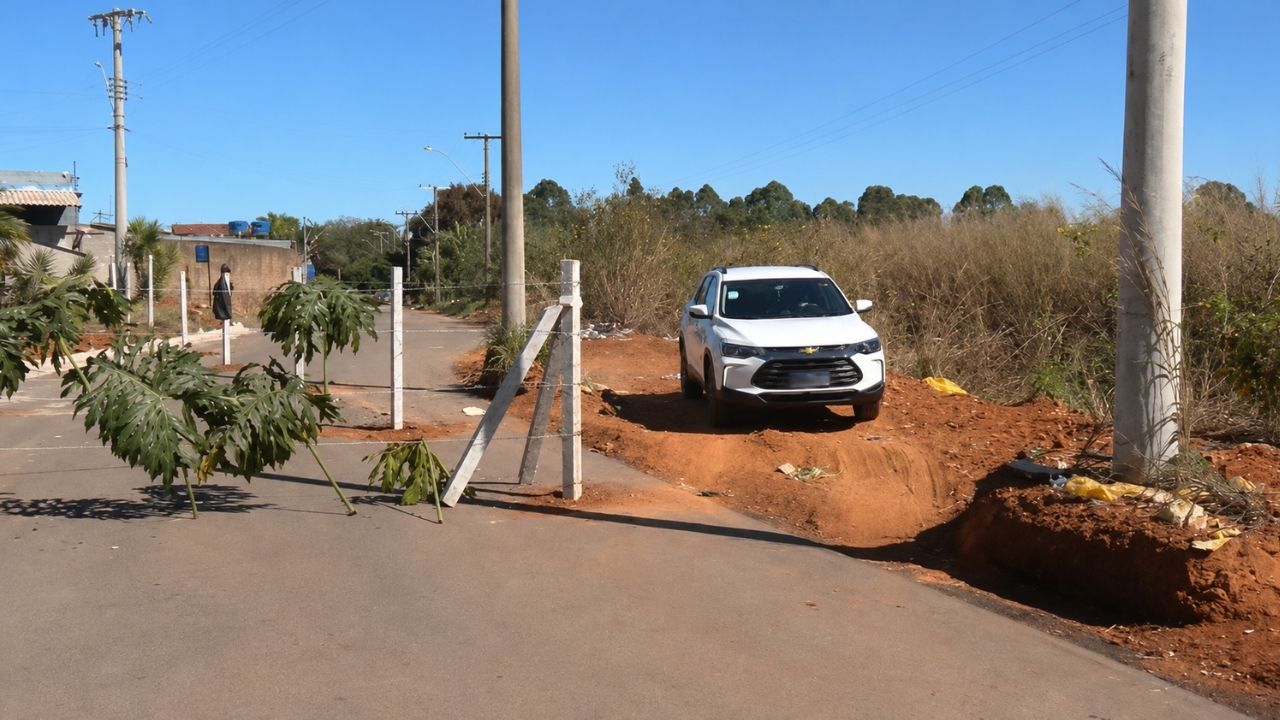
While the impasse is not resolved, residents continue to seek alternatives to pass through the region. Instead of using the new track continuously, drivers end up diverting through dirt sections, which contradicts the initial proposal of the project.
A resident reported being in doubt upon arriving at the location, precisely because the road seemed ready but was interrupted. The scene caused strangeness: a newly constructed track, appearing to be a completed project, but blocked as if it couldn’t be used.
The problem mainly affects those who depend on the route daily. For these people, the project promised to shorten paths and provide more fluidity to traffic. Now, the feeling is of waiting, uncertainty, and demand for a definition.
The situation also raises a larger urban question: if the land was private, how was the track built there? And if the track was necessary, why wasn’t the layout regularization resolved before execution?
Administration, Terracap, and Novacap were contacted


According to the local report, the production tried to contact the Administration of Samambaia, Terracap, and Novacap to clarify what will be done, but there was no response at that time. Without an official response, residents remain unsure of what the solution will be.
The possible alternatives include revising the layout, negotiating with owners, regularizing the area, or constructing a detour. However, any of these measures require a position from the responsible authorities and a clear explanation to the community.
The lack of response increases the feeling of abandonment among residents, especially because the project was seen as an important improvement. For them, the situation should not have reached the point where a ready track is blocked by fences.
Until there is a solution, the track in DF remains an example of a project that had the potential to aid urban mobility but ended up embroiled in questions about planning, oversight, and the correct use of public resources.
Residents also demand that Terracap and Novacap explain how the route was defined and what measures can prevent new conflicts between public works and regularized property. For the community, the response needs to clarify whether there will be a detour, project revision, or another solution to allow access.
Impasse shows how a necessary project can become a problem
The case of Samambaia draws attention because it shows that a public project can be desired by the population and still generate conflict when there is no alignment between the project, land ownership, and execution. The need for the track does not eliminate the obligation to respect the legal status of the plots.
When an urban intervention fails in planning, the damage goes beyond the asphalt. The population loses time, the public authority loses credibility, and residents fail to receive the promised improvement within the expected timeframe.
The track in DF, in this case, became a symbol of a question many residents ask: who should have checked the route before the project started? Until this answer appears, the community continues to live with fences in the way and mandatory detours.
And you, do you believe this type of failure happens due to lack of planning, lack of oversight, or poor communication between public agencies? Leave your opinion in the comments and share if you have seen a similar project in your city.