Portuguese
  Spanish


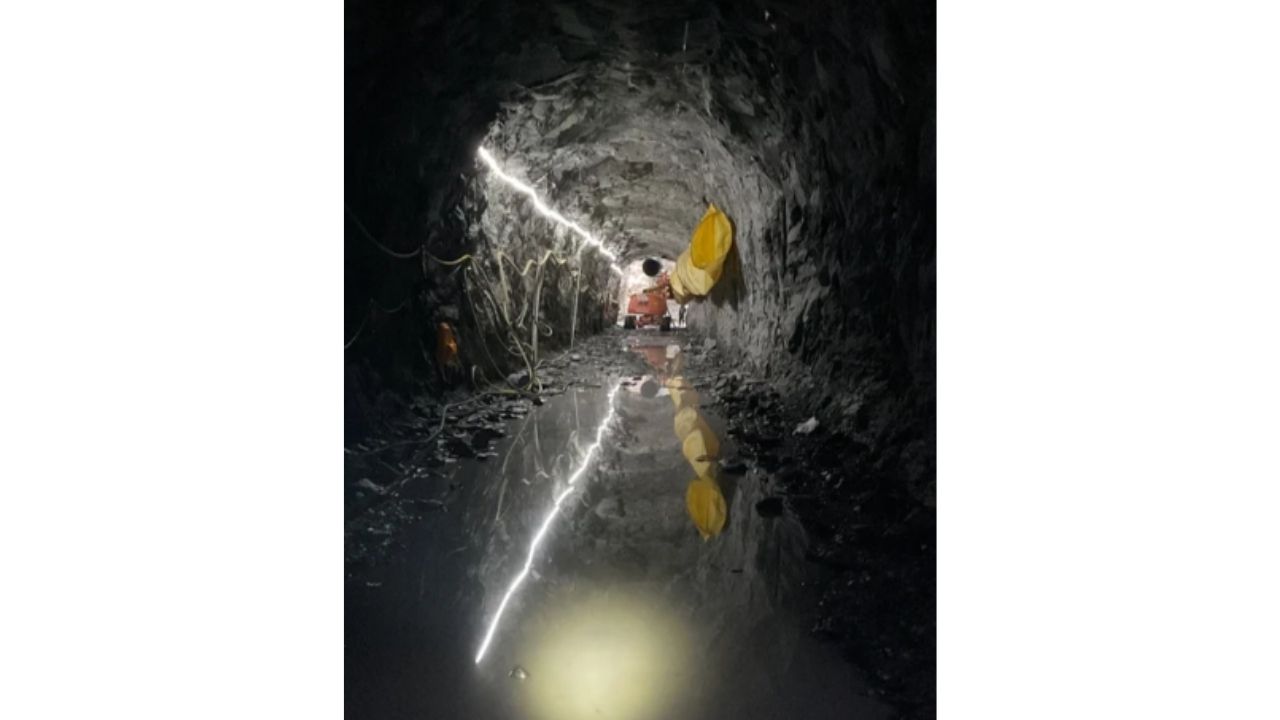
In Lynchburg, Virginia, the largest project in the city’s history is excavating a tunnel of nearly 1.6 km with controlled explosions under Blackwater Creek. The underground gallery will store up to 17.8 million liters of sewage and rainwater and reduce polluting overflows by 98% by 2027.
A city in the United States is literally blasting rock under a stream to build a giant sewage tunnel. In Lynchburg, Virginia, the project is excavating an underground gallery of nearly 1.6 kilometers below Blackwater Creek, according to information from Lynchburg Water Resources (LWR), the municipal water service.
Named LYHBeyond, the project is described by the city itself as the largest infrastructure project in its history. The goal is ambitious: to store excess sewage and rainwater during heavy rain periods and reduce polluting overflows by 98%, with completion expected by 2027.
What is the LYHBeyond project
The number impresses with its ambition. The tunnel will be about 3.7 meters in diameter and nearly 1.6 kilometers long, excavated below Blackwater Creek. When completed, it will be able to store up to 17.8 million liters (4.7 million gallons) of sewage combined with rainwater during storms, preventing this volume from overflowing directly into the stream.
-
Couple Converts 1925 Detroit Bank into Home, Earns $40,000 Annually on Airbnb

-
Tired of Seeing People Sleep in the Cold, London, Canada Opens First Modular Shelter for Homeless with 60 Cabins, Heating, Meals, and Dog Area
-
Brazil’s $1.3 Billion, 870-Meter Immersed Tunnel to Be Latin America’s First of Its Kind, Featuring Special Public Facilities and Information Center
-
Brazilian Innovator Develops Concrete Blocks from Recycled Plastic, Eliminating Mortar and Reducing Construction Costs


More than an isolated project, it is the culmination of a four-and-a-half-decade program. This is the final chapter of the city’s Combined Sewer Overflow (CSO) Program, which has been in existence for 45 years. According to LWR, it is also the most impactful project ever undertaken to protect Lynchburg’s waterways, a local environmental heritage.
How to excavate a tunnel in solid rock
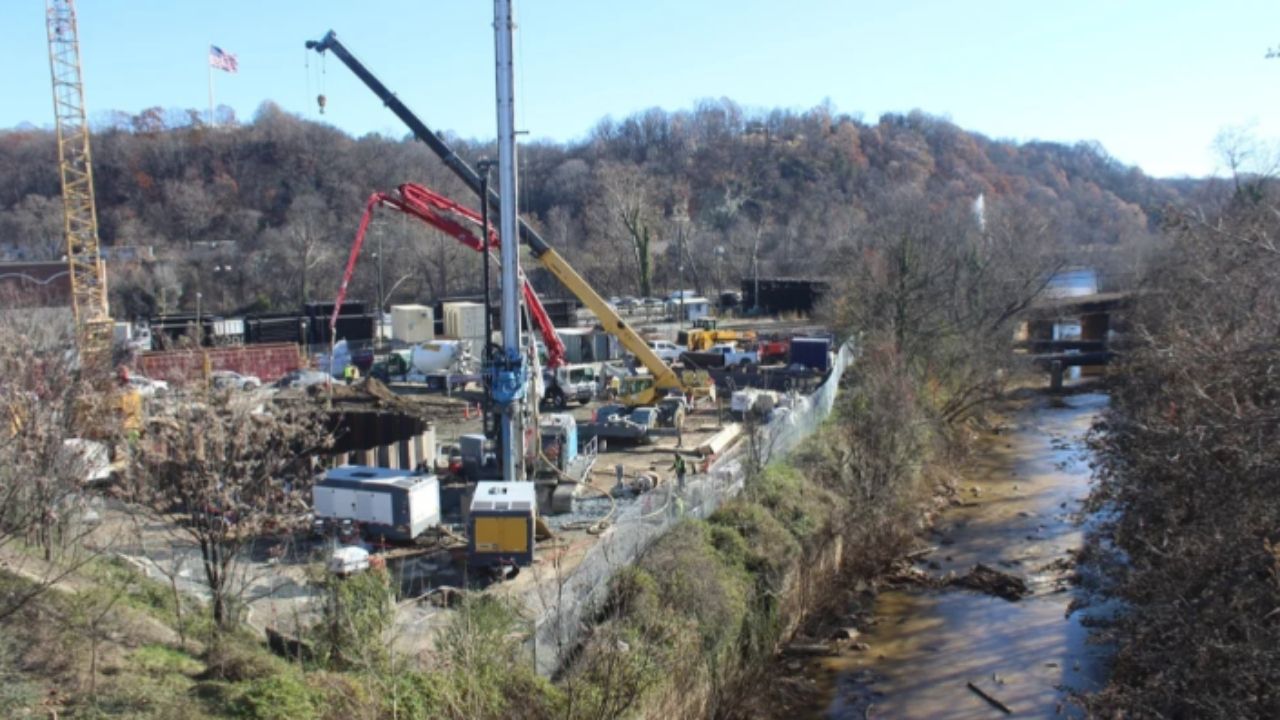
The most impressive part is the method. As the tunnel passes through solid rock, excavation is done by drilling and blasting, the so-called “drill-and-blast” technique. The process involves drilling several holes in the rock, placing explosive material inside them, detonating, and then removing the resulting fragments.
The depth is also noteworthy. The gallery is between about 21 and 37 meters (70 to 120 feet) below the bed of Blackwater Creek, which requires cutting through solid rock layer by layer. It is a slow and meticulous job, where each advance depends on the previous explosion being successful and safe.
The ritual of explosions and horn signals
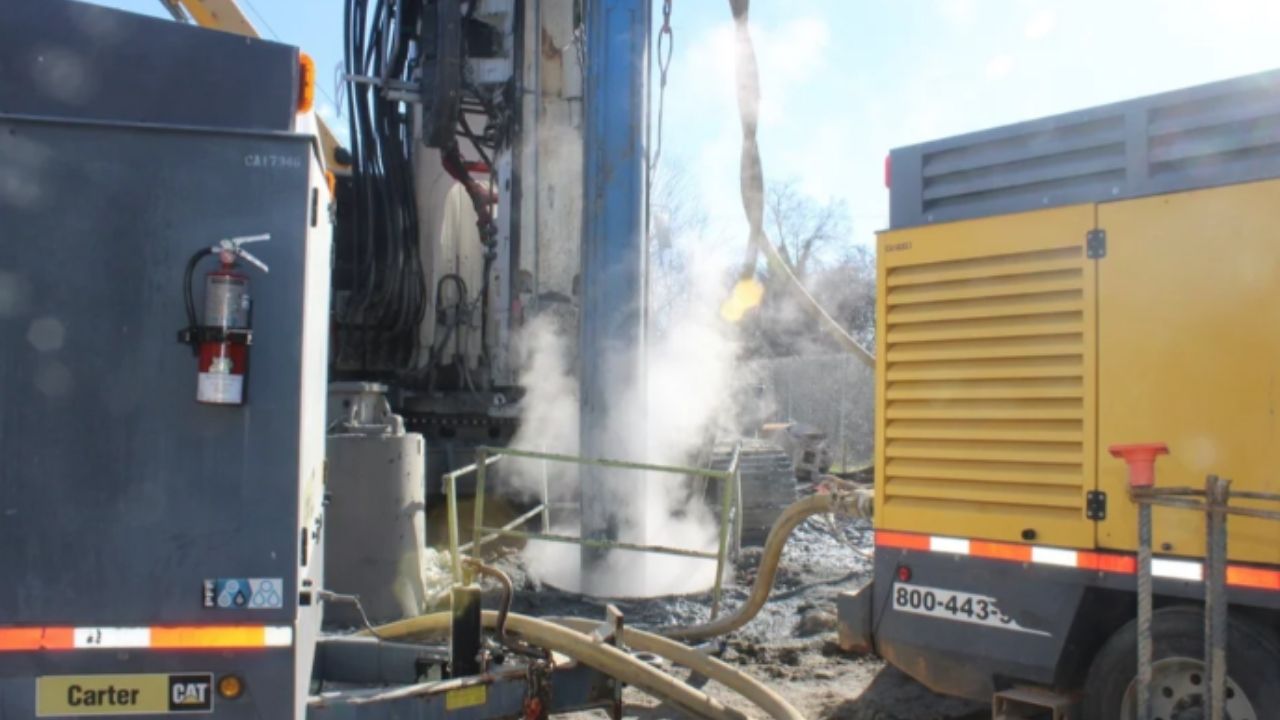
Nothing is detonated without warning. Each explosion is preceded by a strict protocol of sound signals: a series of five short horn blasts five minutes before detonation, and another series one minute before. After the blast, a long blast signals that everything is safe, and a second long blast informs the teams that the tunnel shaft can now be accessed.
The operation began cautiously. The first detonation test, scheduled for the morning of January 13, 2025, used only 25% of the explosive charge of a typical detonation, according to LWR. The amount of material increased in subsequent explosions as the team advanced in the excavation of the tunnel.
The schedule, noise, and site precautions
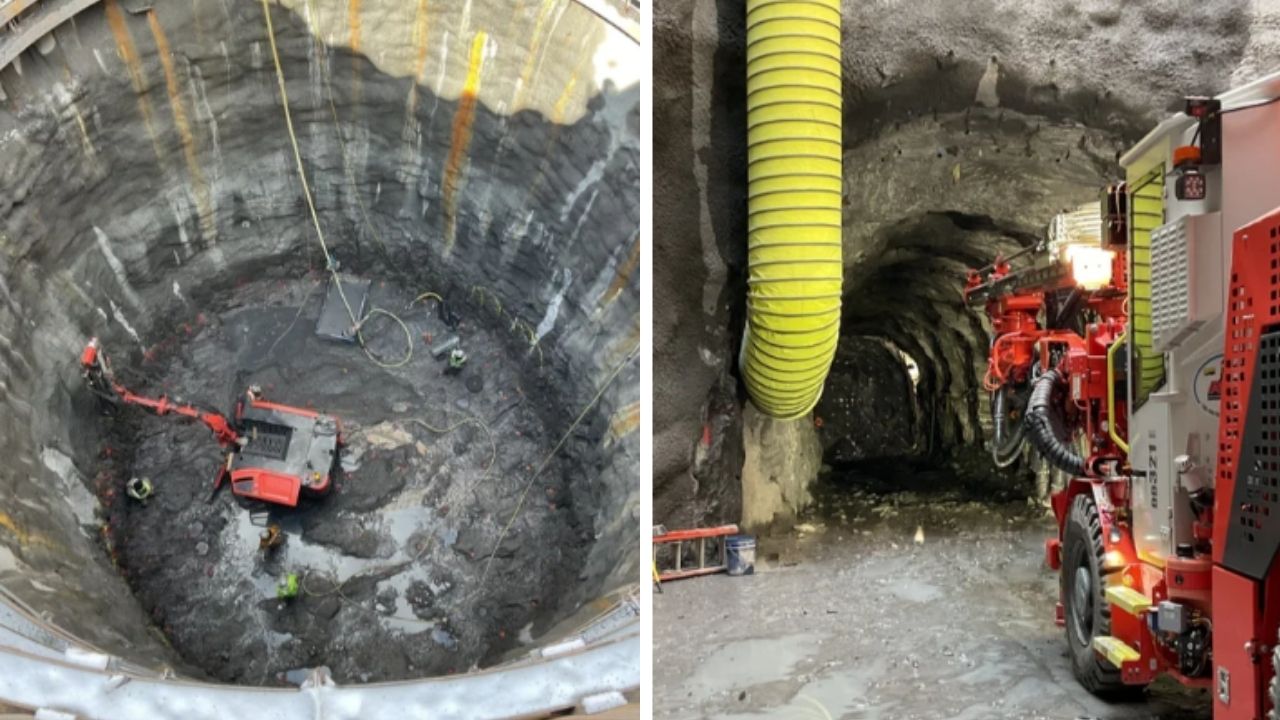
The excavation takes place inside a shaft about 11.6 meters in diameter (38 feet), already built at the main site, at the end of Seventh Street, in downtown Lynchburg. This shaft is covered to muffle the noise of the explosions and keep the fragmented rock contained on site, reducing the impact on the neighborhood.
The pace of the detonations was planned to gradually increase. In the first two months, there were one to two explosions per week; then, starting in the northern hemisphere spring, the pace would increase to two per day. The deeper the excavation of the tunnel progresses, the less noise the population hears. This entire phase of drilling and detonation is expected to extend until July 2026.
Why all this matters: 98% less sewage in the stream
The entire effort has a clear environmental goal. The Lynchburg CSO Program began in 1979 to tackle the problem of sewage overflows, which dumped waste into Blackwater Creek during heavy rains. The new tunnel is the missing piece to finally solve this issue.
With completion expected by 2027, LWR estimates that the program will achieve a 98% reduction in the volume of sewage overflow compared to the start in 1979. The project is managed by Atkinson Construction, contracted by Lynchburg Water Resources, and is considered by the city as a watershed moment, literally, for the health of its rivers.
An invisible project that can redefine Lynchburg’s relationship with its rivers
The case of Lynchburg shows the magnitude of investment sometimes needed, out of the public eye and dozens of meters underground, to solve an old environmental problem. A tunnel that no one will see once completed can still be the most important project in a city’s history.
Now we want to know your opinion. Do you think it’s worth spending so much and enduring years of construction and explosions to protect a stream, or are there cheaper solutions? Does your city have sewage problems that would require something similar?
Comment below what you think, tell us about the sanitation in your region, and share this article with those interested in major projects and the environment.