Portuguese
  Spanish


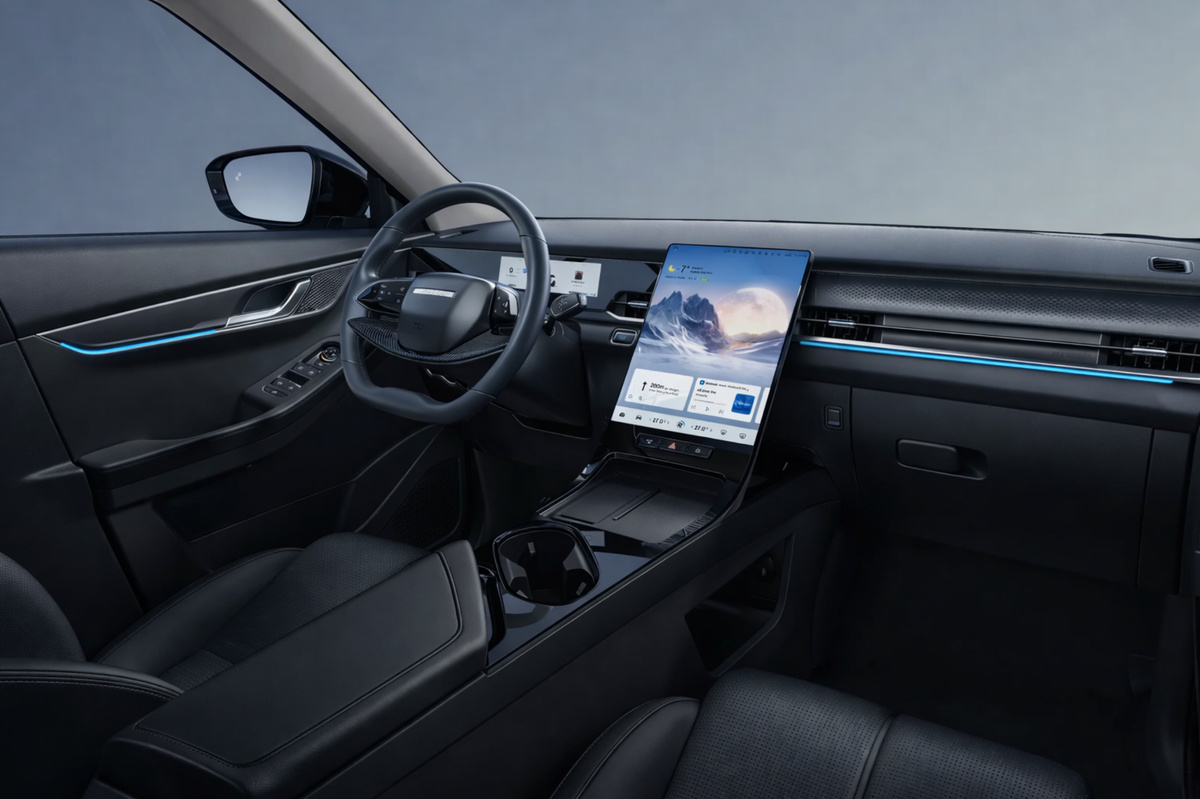

More Than Transportation, The Automobile Begins To Act As A Space For Well-Being, Sensory Comfort, And Support For Mental Health In An Increasingly Stressful Urban Scenario
A silent change is gaining momentum in major Brazilian and global cities. The experience inside the car has started to be analyzed as a direct factor in reducing anxiety in traffic, a phenomenon increasingly discussed by mental health and urban mobility experts.
The rise of what is called urban anxiety is directly linked to the daily routine of traffic jams, constant noise, excessive visual stimuli, and a perpetual pressure for productivity. This scenario, intensified since 2022, according to analyses by the World Health Organization and the Brazilian Psychiatric Association, has raised daily commuting to the level of one of the main triggers of chronic stress.
Clinical and observational studies published between 2022 and 2024 indicate that prolonged traffic jams increase cortisol levels. As a consequence, irritability, mental fatigue, difficulty concentrating, and a direct impact on the sleep quality of urban drivers emerge.
-
Thinking of Installing LED Headlights? Why Replacing Halogen Bulbs is Still Banned, the Glare Risks Authorities Worry About, and How a New Proposal Could Allow Certified, Safe Installations

-
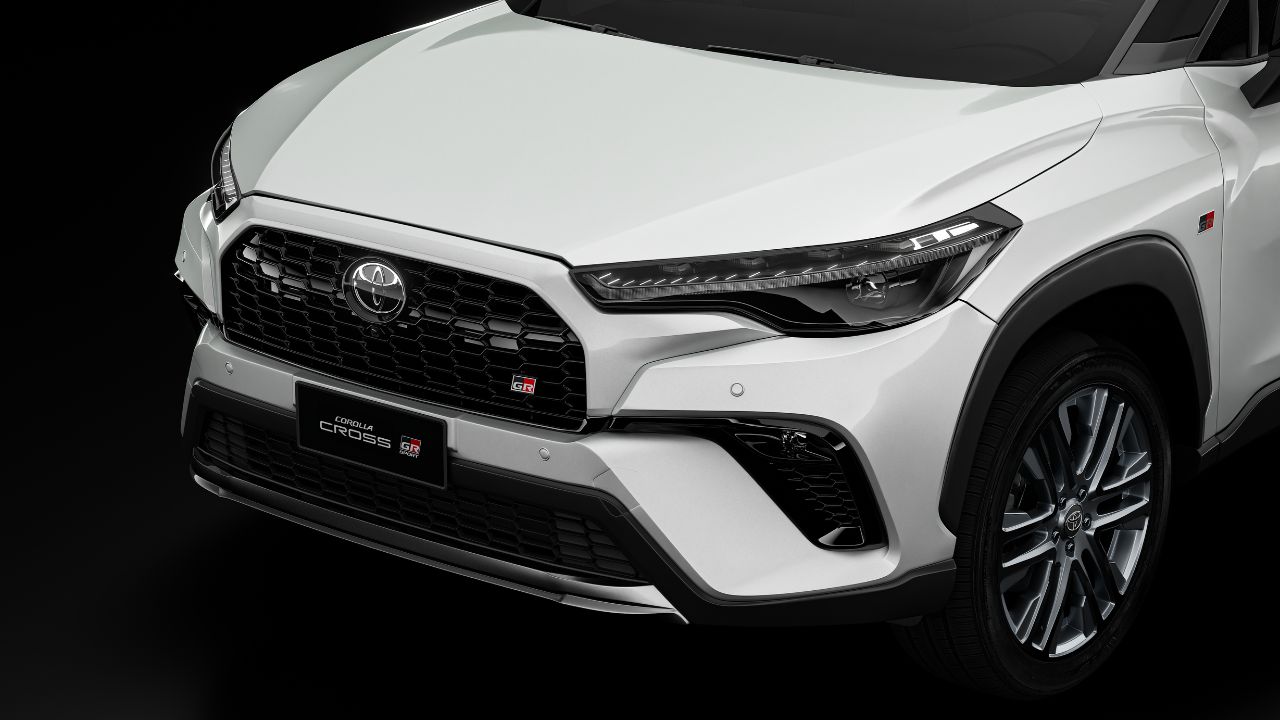
2027 Toyota Corolla Cross Unveiled: New Design, Enhanced Fuel Efficiency, Reduced Maintenance Costs, Advanced Technology, Connected Services, and Up to 10-Year Warranty

-
Fiat Cronos Precision 2018: Affordable Sedan with Spacious Trunk and Reliable Maintenance
-
Volkswagen to Cut Production by 1 Million Cars by 2030, Reducing Jobs and Platforms, Focusing on More Profitable Models




In this context, a question has become central to discussions about mobility and quality of life: Can the car help reduce anxiety in traffic?
Comfort And Technology Change The Relationship With Traffic
Although traffic chaos remains a structural challenge in cities, the automobile has begun to be seen as a possible emotional safe zone. Thus, mobility ceases to represent only physical displacement and starts to be understood as an extension of daily well-being.
Internal silence, improved ergonomics, and driver assistance technologies have ceased to be secondary attributes. Today, these elements have a direct influence on the emotional state of those who spend hours behind the wheel, especially in dense urban areas.
It is within this logic that OMODA & JAECOO structures the development of its vehicles. From the conception phase, the brand’s models have been designed to offer a more predictable, comfortable, and less aggressive driving experience, particularly in complex urban environments.
Acoustic Insulation Reduces Stimuli And Tension
One of the central points of this approach is the high acoustic insulation. The significant reduction of external noises, such as honks, heavy traffic, and continuous urban sounds, creates a quieter and more controlled internal environment.
This reduction in sound stimuli directly contributes to alleviating tension, favoring a calmer and less reactive driving experience. Behavior specialists point out that silent environments reduce automatic stress responses during travel.
Driver Assistance Reduces Cognitive Overload
In addition to sensory comfort, advanced driver assistance systems (ADAS) play a strategic role. Features such as collision warning, lane-keeping assist, and adaptive speed control serve as constant support for the driver.
These technologies reduce cognitive overload, increase the predictability of the journey, and enhance the feeling of safety in heavy traffic situations, according to technical analyses in the automotive sector between 2023 and 2024.
Ergonomics Directly Impacts Stress
Another decisive factor is ergonomics. Adjustable driving position, intuitive controls, and seats designed for long periods of use minimize physical fatigue, an element directly associated with increased stress and irritability.
Thus, the interior of the vehicle ceases to be merely a functional space. It begins to serve as a controlled pause amid urban chaos, helping the driver maintain focus and emotional balance during the journey.
Strategic Vision Of The Brand
“We develop our vehicles beyond performance and technology. We think about how each solution can help the driver adopt a less aggressive style, with silence, comfort, ergonomics, and assistance systems that alleviate anxiety in traffic,” states Henrique Buzzaneli, head of Engineering at OMODA & JAECOO Brazil, in a statement made in 2024.
More Human Mobility Gains Ground
As urban anxiety consolidates as a central theme in discussions about quality of life, the proposal for more human mobility gains relevance. Vehicles cease to be mere means of transport and begin to act as allies of daily well-being.
This transformation indicates a new path for cities: automobiles that match the urban rhythm but help make it lighter, safer, and more balanced.
In light of this scenario, the reflection remains: to what extent can the experience inside the car redefine our relationship with traffic and our own mental health in large cities?