Portuguese
  Spanish


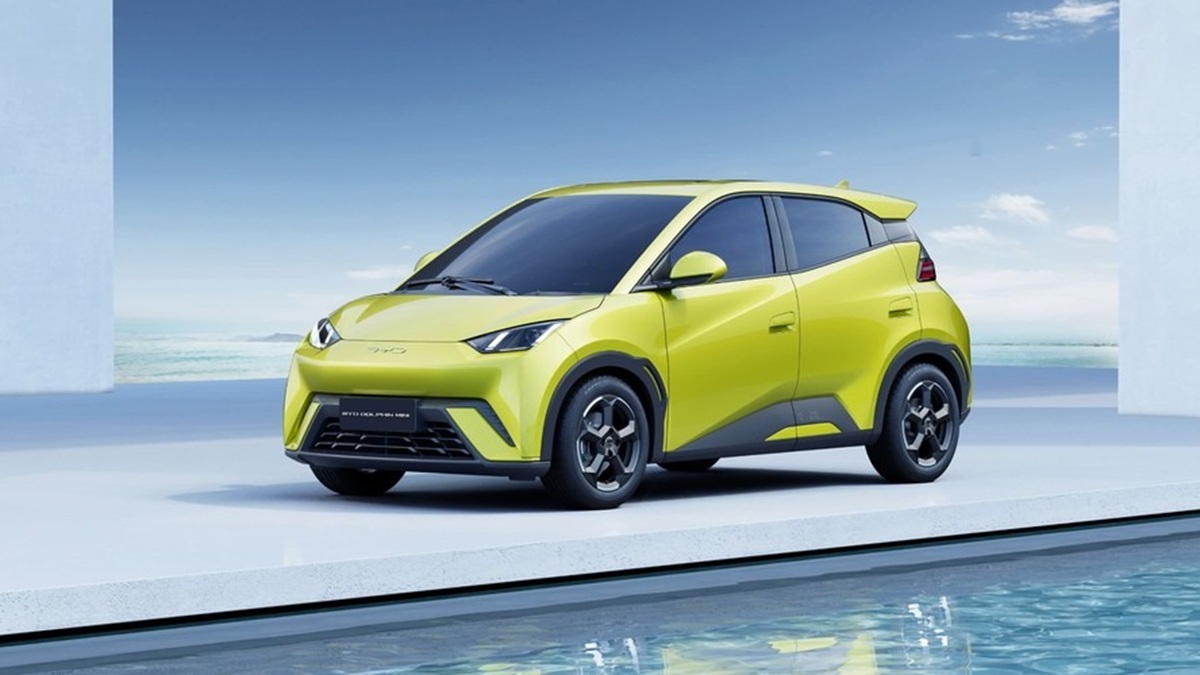


With Domestic Production and Direct Sales, BYD Reduced the Price of the Dolphin Mini to Up to R$ 98,5 Thousand, Bringing the Electric Car Within the Top 5 Cheapest Cars in Brazil and Challenging Combustion Models Like Kwid and Mobi.
With the launch of its factory in Camaçari (BA), BYD is preparing an offensive that could redefine the electric and hybrid car market in Brazil.
Domestic production and the direct sales model allow for significant price reductions, placing electrified models in direct competition with combustion vehicles — and, in the case of the Dolphin Mini, with the potential to rank among the cheapest cars in the country.
An article by Alisson Ficher, published on CPG last week, already mentioned this price drop.
-
1.5 Engine Dominates Chinese Cars for Decades with Billion-Dollar Strategy Focused on Tax, Advanced Technology, Over 40% Efficiency, and Aggressive Global Expansion

-
Chevrolet Unveils Onix Log 2027: A Hatchback Without Rear Seats, Featuring 1.0 Engine and 1,045 Liters of Cargo Space, Perfect for Businesses and Delivery Workers

-
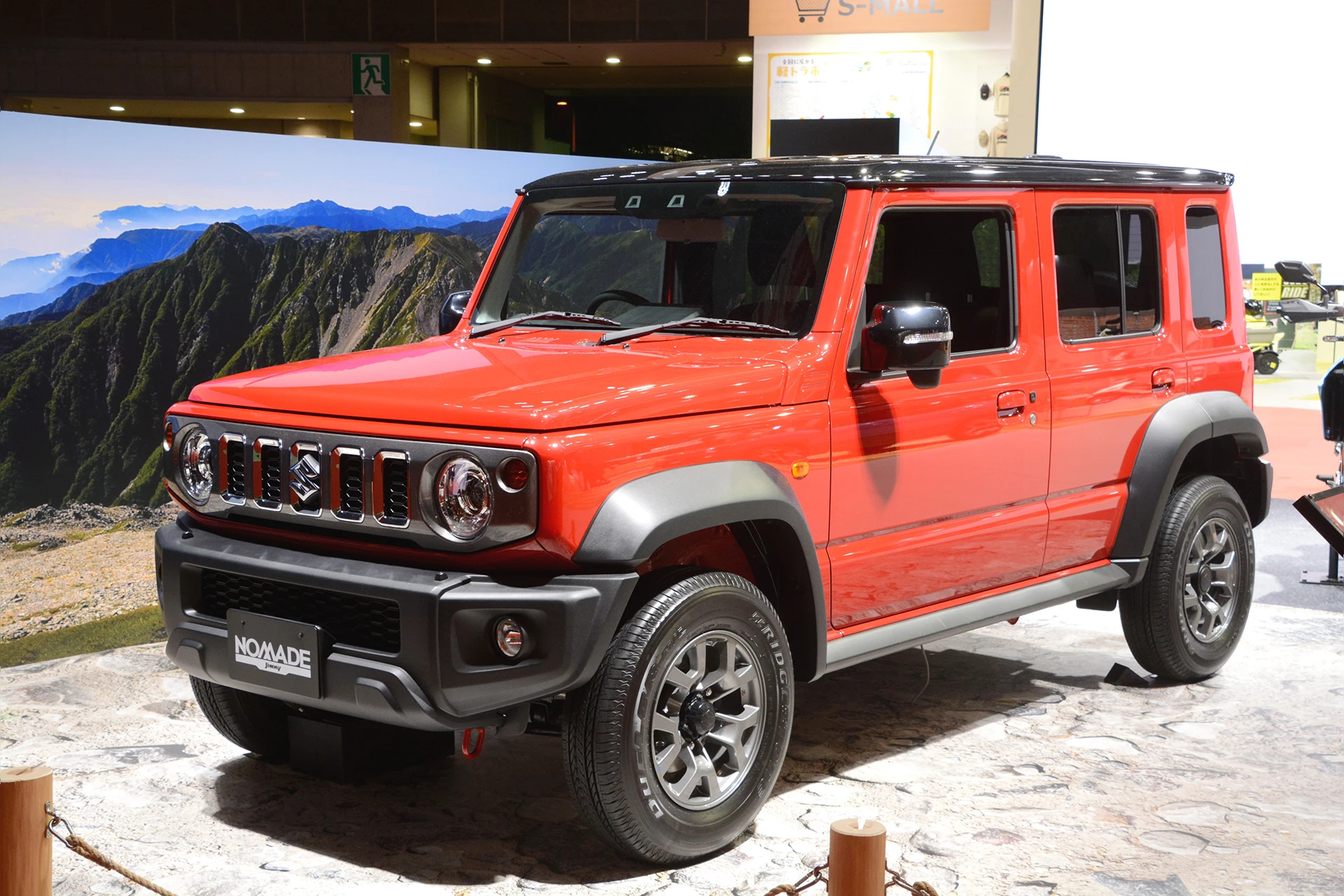
Suzuki Jimny Nomade 5-Door: A Rugged Family SUV with 1.5L Engine and 4WD, Priced Around $18,000 in Brazil

-
Suzuki XL6: Affordable Premium Minivan in India Offers Seating for Six, Hybrid Engine, and Impressive Fuel Efficiency



Domestic Production and Tax Exemption Open Up Space for Price Cuts
The inauguration of the Bahia unit on October 9 marks a new chapter in BYD’s strategy.
With an investment of R$ 5.5 billion and an initial capacity of 150,000 vehicles per year — aiming to reach 600,000 by 2030 — the local operation eliminates part of the import costs and ensures tax exemptions.
These factors allow the automaker to adopt direct sales, a model in which the consumer buys the vehicle directly from the factory under special conditions.
Eligible groups include legal entities, rural producers, people with disabilities, taxi drivers, rental companies, driving schools, and school transport companies.
The combination of these benefits paves the way for aggressive pricing. The Dolphin Mini, which has a suggested retail price of R$ 118,990, could cost R$ 107,091 for micro-enterprises and rural producers.
For PCDs, the price drops to R$ 99,990, and for taxi drivers, it reaches R$ 98,590 — a level that places it in the same range as entry-level combustion cars.
Dolphin Mini Could Make It to the List of the Cheapest Cars in the Country
The impact of the new price becomes evident when compared to the general market. According to a survey of the five cheapest zero km cars in Brazil in October 2025, the most affordable model is the Renault Kwid, with prices ranging from R$ 78,690 to R$ 85,290.
Next come the Fiat Mobi (R$ 80,060 to R$ 81,990), Citroën C3 (R$ 82,990 to R$ 106,990), Fiat Argo (R$ 92,990 to R$ 108,490), and Peugeot 208 (R$ 105,990 to R$ 134,990).
With the price of R$ 98,590 in the direct sales model, the Dolphin Mini would be positioned between the third and fourth cheapest cars in the country, a significant achievement considering that all models on the list are combustion vehicles.
Moreover, this price proximity has the potential to reduce the main barrier to the adoption of electric and hybrid vehicles: the high initial cost.
Experts highlight that, despite the growing demand for equipped and technologically advanced cars, the entry price remains decisive for the Brazilian consumer.
Expansion of the National Line and Focus on Affordable Electrified Vehicles
The pricing strategy is not limited to the Dolphin Mini. BYD also offers significant discounts for two other models produced in Camaçari: the hybrid SUV Song Pro and the hybrid sedan King.
The Song Pro GL, with an original price of R$ 189,990, drops to R$ 161,492 for micro-enterprises and rural producers, R$ 147,990 for PCDs, and R$ 132,900 for taxi drivers.
The King, priced at R$ 169,990, is reduced to R$ 144,492 for CNPJ holders and rural producers, R$ 132,990 for PCDs, and R$ 124,990 for taxi drivers.
With this aggressive policy, the automaker aims to further expand its market share in electrified vehicles, in which it already holds a leadership position.
BYD Dominates the Electrified Market in Brazil
According to data from the Brazilian Electric Vehicle Association (ABVE), BYD accounts for 40.3% of electrified car sales in the country in 2025. Of the total of 191.6 thousand units sold in the year, 77.2 thousand were from the Chinese brand.
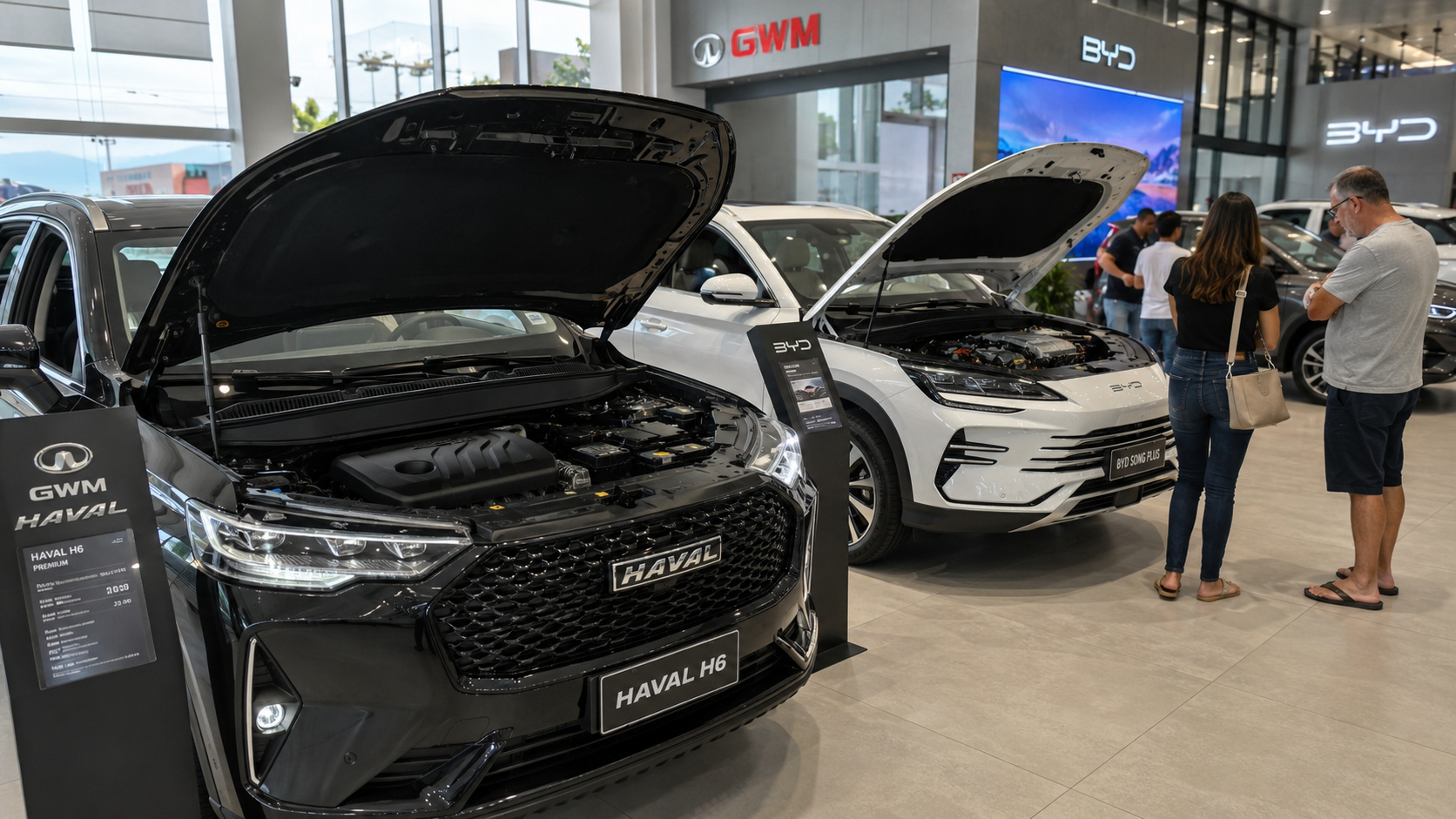
The Song SUV is the clear leader in sales, with 26,913 units (14% of the total). The Dolphin Mini comes in second, with 22,924 units (12%), followed by the Haval 6 from GWM, with 22,002 units (11.5%).
This performance shows that the competitive pricing strategy has a direct effect on sales volume, and local production should further enhance this advantage.
Competition Reacts, but BYD Advances with a Strategic Advantage
Great Wall Motor (GWM), a Chinese competitor, started domestic production in August at the former Mercedes-Benz factory in Iracemapolis (SP).
With about 570 employees — 80 of them Chinese in programming and management roles — GWM is betting on the technological SUV segment with prices ranging from R$ 199 thousand to R$ 325 thousand.
Despite the competition’s advance, GWM’s higher prices leave BYD in a favorable position to attract customers seeking electrification with better cost-benefit.
The difference in positioning reinforces BYD’s prominence in the entry segment of electrified vehicles.
Popular Cars Still Dominate the Market, but the Scenario Begins to Change
Even with the rise of electrified vehicles, combustion cars still dominate the entry segment. Today, there are no new models priced below R$ 78,690 — highlighting how far the market has distanced itself from the times when popular vehicles cost less than R$ 50 thousand.
The arrival of the Dolphin Mini below R$ 100 thousand marks a milestone: for the first time, an electric vehicle is directly approaching the realm of popular cars.
This convergence has the potential to alter the dynamics of the Brazilian market, encouraging new consumers to migrate to electrification.
New Standard for the National Automotive Market
The domestic production of BYD in Camaçari represents not just an industrial milestone, but also a turning point in the pricing strategy of electric vehicles in Brazil.
By bringing the price of the Dolphin Mini closer to the cheapest combustion models in the country, the automaker breaks a historical barrier and paves the way for the popularization of electrified vehicles.
With an already consolidated market share, leadership in sales, and ambitious expansion plans, BYD is transforming the Brazilian automotive landscape.
The possibility of purchasing an electric car for less than R$ 100 thousand is no longer a distant forecast but a concrete reality — with the potential to redefine what an entry-level car means in Brazil.