Portuguese
  Spanish


Discover How the Return of the “Remain in Mexico” Program Can Transform Immigration Policies, Generate Humanitarian Crises, and Impact Economies Across the Americas.
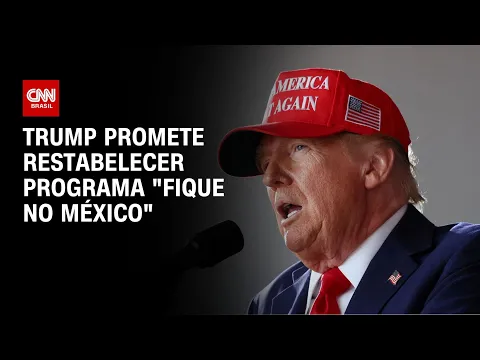
Donald Trump has expressed the intention to reinstate the “Remain in Mexico” program – officially called the Migrant Protection Protocols (MPP) – reigniting political, humanitarian, and economic debates.
Implemented in 2019 during his first term, the program requires asylum seekers in the United States to remain in Mexico while their cases are processed.
Although Joe Biden ended the policy in 2021, Trump claims that its return would be necessary to combat illegal immigration.
-
European Parliament Approves Digital Euro, Aiming to Challenge Visa and Mastercard’s Dominance and Transform Payments Across Europe by 2029

-
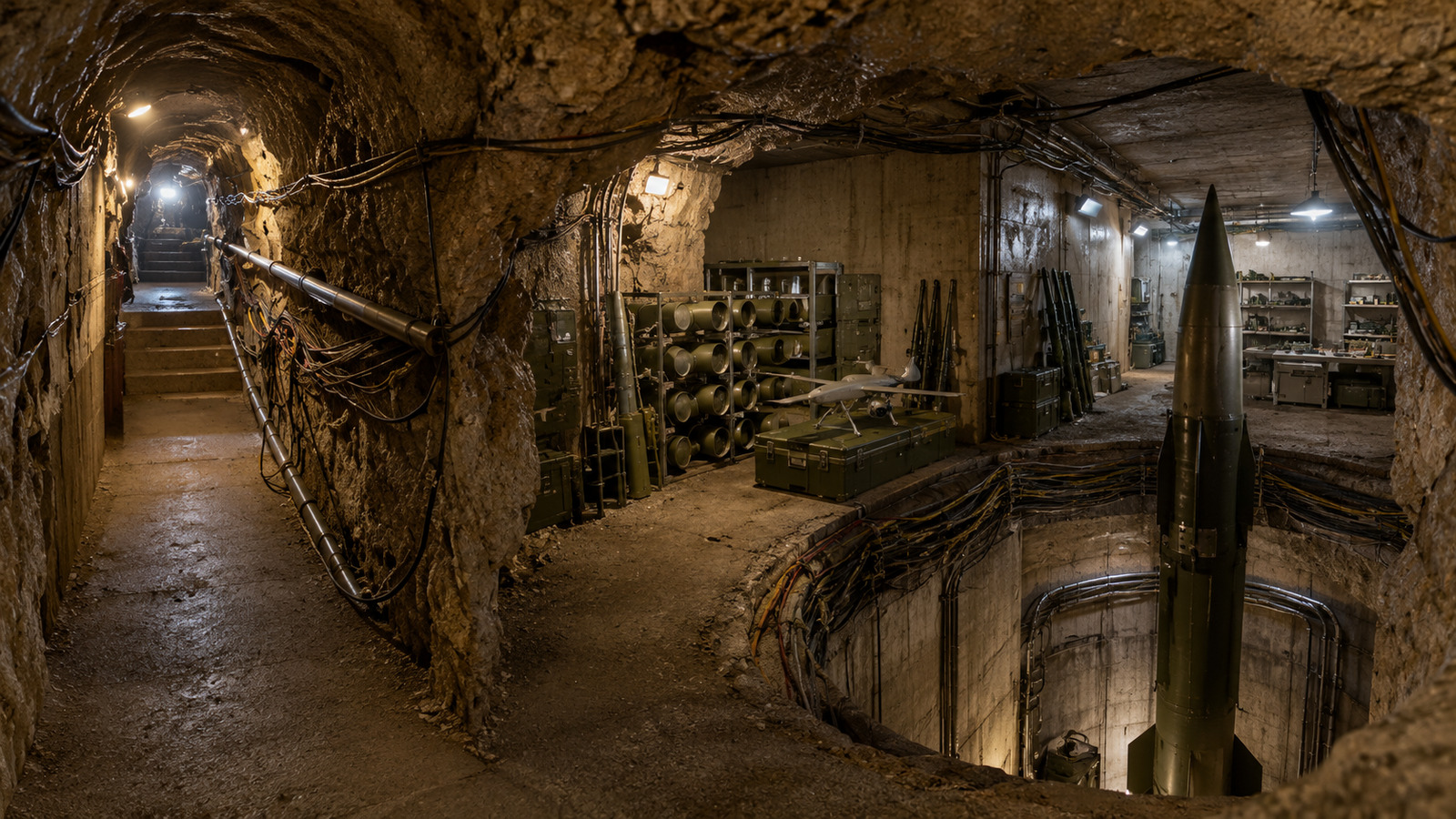
Israel finds Hezbollah militarized tunnel over 200 meters long under village, with 4 missile launch shafts, 12 chambers, anti-tank missiles, drones, and weapons depots at a depth of 25 meters.

-
Ukraine launches largest drone attack on Moscow since 2022, Russia claims to have intercepted nearly 200 aircraft near the capital, Kapotnya refinery targeted again, and offensive reignites alert about war reaching the Russian energy heart just a few kilometers from the Kremlin.

-
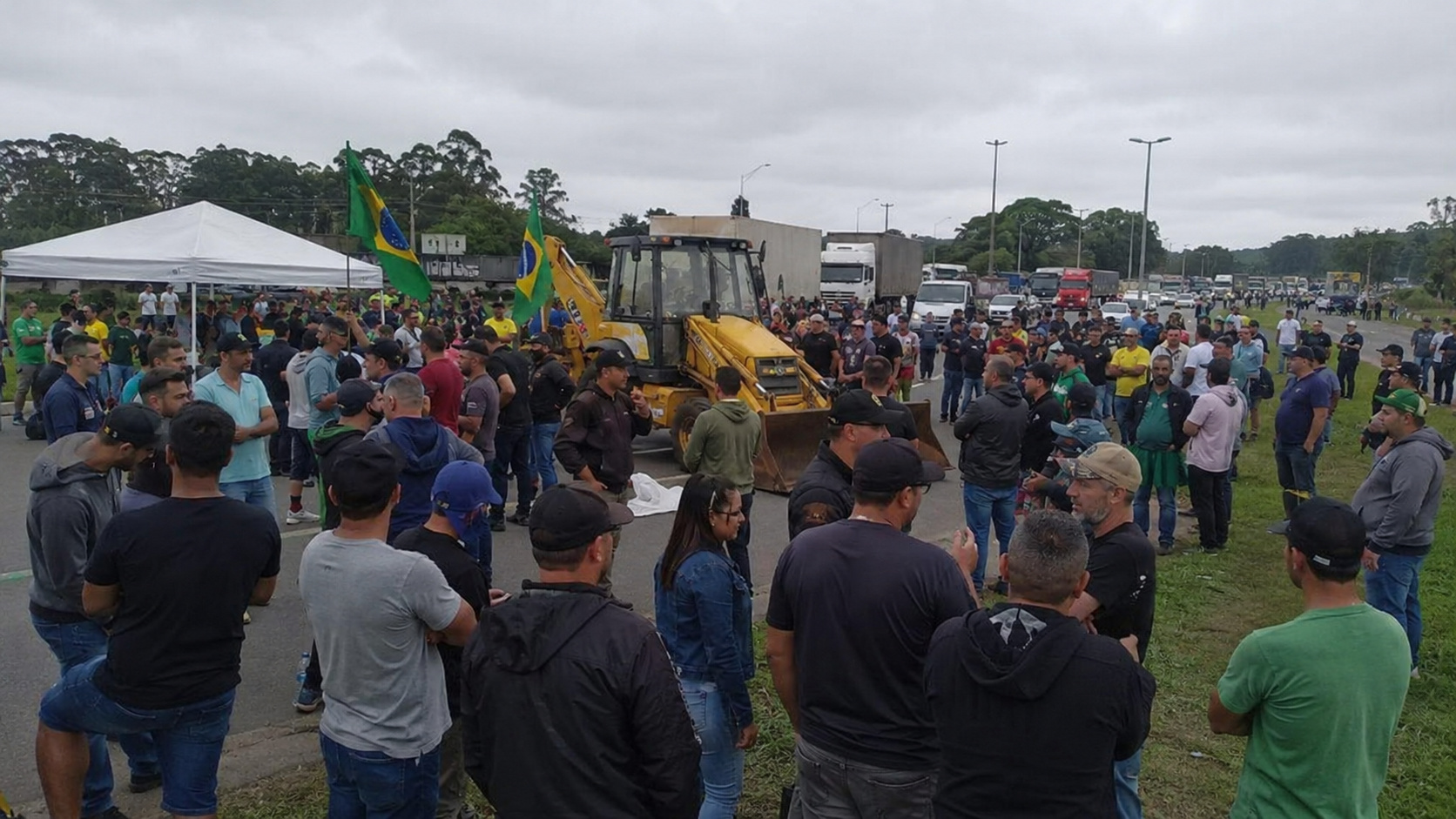
Truck drivers, freight, and fines from 2022 take center stage in politics: Chamber approves MP with amnesty, mandatory tracking by CIOT, million-dollar penalties, and new minimum wage for those who spend more than 24 hours on the road.



Human rights groups widely criticize the “Remain in Mexico” program due to the precarious conditions faced by migrants in Mexican border cities. These areas are often marked by violence, lack of infrastructure, and limited job opportunities.
Additionally, the humanitarian impacts of this policy also have significant economic implications that reverberate throughout the Americas.
Initial Humanitarian and Economic Impacts
The return of the program places a considerable burden on Mexico. The increased number of migrants in the country strains border cities like Tijuana and Ciudad Juárez, putting pressure on health, security, and shelter infrastructure.
Consequently, many migrants turn to the informal labor market to survive, intensifying competition for jobs in already economically vulnerable regions.
Furthermore, Mexico faces high costs to host and repatriate migrants. The Mexican government often seeks international humanitarian assistance and partnerships with non-governmental organizations to mitigate the impacts. However, these measures have proven insufficient in light of the problem’s magnitude.
Consequences in the United States
In the United States, stricter immigration policies directly affect economic sectors dependent on immigrant labor, such as agriculture, construction, and hospitality.
As a result, these sectors already face labor shortages and may suffer even more with limitations on the entry of new immigrants.
This labor shortage in essential areas could raise production costs, reflecting on the prices of goods and services for consumers.
Moreover, the American government significantly increases its spending on implementing stricter security measures, such as additional border patrols and immigration legal processes. Such costs ultimately fall on taxpayers, generating an indirect impact on the economy.

Repercussions Across Latin America
Central American countries such as Honduras, El Salvador, and Guatemala feel the effects of this policy strongly.
The local economies significantly depend on financial remittances sent by migrants working in the United States.
When severe restrictions reduce these remittances, it harms the economies of these countries and amplifies social instability.
Additionally, stricter immigration barriers in the U.S. divert migration flows to other countries in Latin America.
As a result, the fragile economies of countries like Brazil, Colombia, and Chile may face an overload.
These countries often become alternative destinations for those fleeing poverty and violence, creating additional pressures on their reception systems.
A Vicious Cycle
Policies like “Remain in Mexico” do not address the root causes of immigration, such as poverty, corruption, and violence in the countries of origin.
Instead, these policies create a vicious cycle that perpetuates humanitarian crises and increases economic instability in the region.
Investing in long-term solutions, such as partnerships for economic development, education, and violence prevention programs, offers greater effectiveness in reducing mass migration.
Furthermore, more humanitarian and efficient immigration systems can benefit both the countries of origin and destination, generating economic growth and greater stability.
Conclusions and Future Perspectives
However, this proposal also exposes the complex relationships between politics, economics, and human rights in the Americas.
While the policy aims to deter illegal immigration, its economic and social impacts raise questions about its effectiveness and sustainability.
In this context, the debate continues, highlighting the need for solutions that balance security, economic prosperity, and respect for human dignity. Via CNN