






 Portuguese
  Spanish


Some Volkswagen Car Owners Filed a Lawsuit in the United States Over Touch Button Failures on the Steering Wheel, Claiming Involuntary Activation of Functions and Safety Issues.
Volkswagen car owners in the United States have initiated a class-action lawsuit against the manufacturer due to issues with the touch buttons installed on the steering wheels of models such as the ID.4. The suit, filed in a federal court in New Jersey, accuses the manufacturer of compromising driver safety by allowing car functions to be activated unintentionally.
Additionally, the lawsuit points to possible violations of consumer protection laws in states such as Connecticut and Massachusetts, including allegations of fraud by omission and unjust enrichment.
Issues Reported by Volkswagen Vehicle Owners
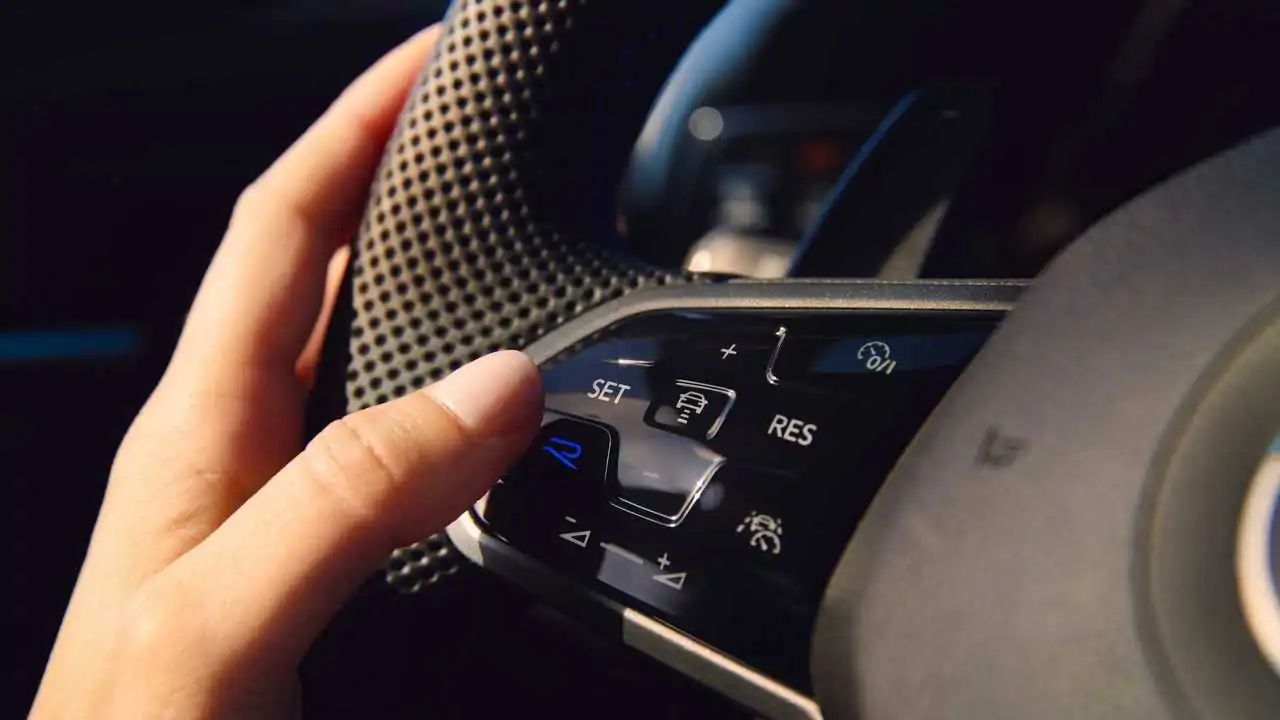
According to reports compiled by Carscoops, the touch-sensitive controls on the steering wheel can be activated with minimal contact from the hands.
-
2027 Toyota Corolla Cross Unveiled: New Design, Enhanced Fuel Efficiency, Reduced Maintenance Costs, Advanced Technology, Connected Services, and Up to 10-Year Warranty

-
Fiat Cronos Precision 2018: Affordable Sedan with Spacious Trunk and Reliable Maintenance
-
Volkswagen to Cut Production by 1 Million Cars by 2030, Reducing Jobs and Platforms, Focusing on More Profitable Models

-
Toyota Launches First 100% Electric Car in Brazil: bZ4X with 343 HP, All-Wheel Drive, 361 km Range, Priced at $419,990 BRL, Limited to 99 Units



Functions such as adaptive cruise control may be inadvertently activated, leaving some drivers “terrified and hesitant” while driving. The lawyers involved in the case claim that Volkswagen was aware of the failures beforehand.
Internal documents, customer reports, and dealership alerts would indicate that the system did not perform as promised.
For the plaintiffs, the manufacturer failed to offer a recall, refund, or free replacement to the affected users.
History of Criticism of the Touch Steering Wheel
The steering wheel without traditional buttons has generated controversy since its debut.
Volkswagen’s promise was to provide a modern and futuristic design, but in practice, the controls proved to be overly sensitive and prone to unintended activations.
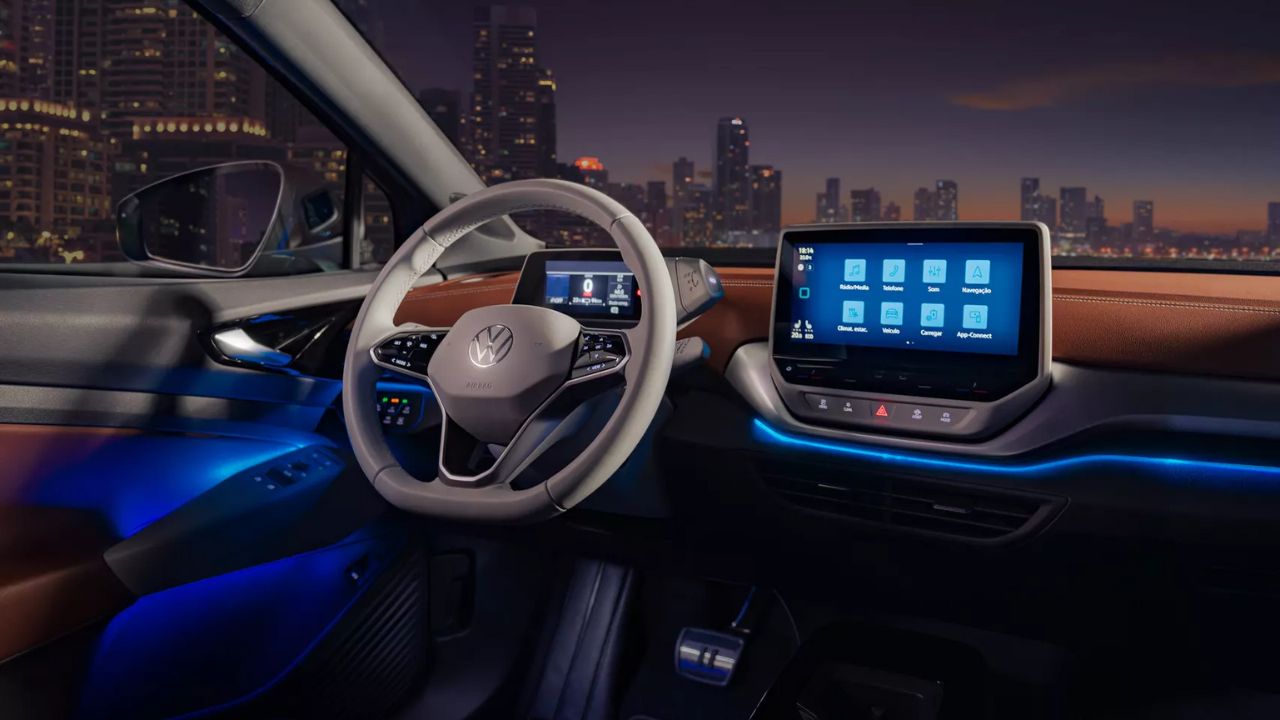
In 2023, Thomas Schäfer, then CEO of the company, admitted that the decision to replace physical buttons with touch was a strategic mistake. According to him, the change “caused a lot of damage” to the brand, reinforcing negative perceptions among some consumers.
Furthermore, the criticism was not limited to the United States. In Europe and other markets, the touch controls also faced complaints, sparking discussions about ergonomics and system safety.
Changes Planned by Volkswagen
The automaker has already announced plans to reintroduce physical buttons on steering wheels starting in 2027.
The electric hatchback ID.2, expected to hit the European market in 2026, should mark the transition to more traditional controls. The intention is to restore simplicity and ergonomics, reducing distractions and increasing safety.
Despite the promise, the change has not yet reached the ID.4, the central model in the lawsuit in the United States.
For many owners, the delay reinforces the feeling of neglect regarding safety and user experience.
Situation in Brazil
In the Brazilian market, touch buttons have also been implemented in models such as Taos, Tiguan, and Jetta GLI. The Golf GTI, in its pre-facelift version, was also sold with touch-sensitive controls.
However, Volkswagen has already modified the steering wheel of these vehicles, reverting to conventional buttons, indicating that the company acknowledged the problems and sought solutions in some markets.
This difference between regions shows that, although the futuristic design was a global bet by the automaker, the practical application still requires adjustments to ensure comfort and safety for drivers.
Legal Accusations and Impacts for Volkswagen
The class-action lawsuit highlights that the failure of the touch buttons is not just an ergonomic issue, but a road safety concern.
Owners claim that the unintentional activation of critical functions can cause accidents, increasing the risk of harm to drivers, passengers, and pedestrians.
The lawyers assert that Volkswagen not only knew about the issues, but also failed to act preventively. The lack of a recall or other corrective measures before the lawsuit is central to the prosecution’s argument.
If the lawsuit is successful, the automaker may be required to compensate consumers, offer financial compensation, or implement quicker changes to the affected models.
Repercussions of the Automaker’s Strategic Decision
The launch of the touch steering wheel was seen as an attempt at innovation and market differentiation.
However, the technical execution did not meet expectations, leading to consumer dissatisfaction and impacting the brand’s image.
The public admission of error by CEO Thomas Schäfer demonstrates that the company recognized the strategic failure. According to him, replacing physical buttons with touch caused significant damage to brand perception.
Furthermore, the controversy reinforces the importance of usability testing and safety assessments before implementing technologies that replace traditional controls in vehicles.
Starting in 2027, with the reintroduction of physical buttons, Volkswagen aims to correct the issues of ergonomics and safety.
With information from the website Auto+







