






 Portuguese
  Spanish
  4 min of reading
  1 comment


Developed to Operate in Challenging Terrain, the RAVEN Combines Drone and Robot Skills, Becoming Revolutionary for Rescue Missions, Inspections, and Monitoring.
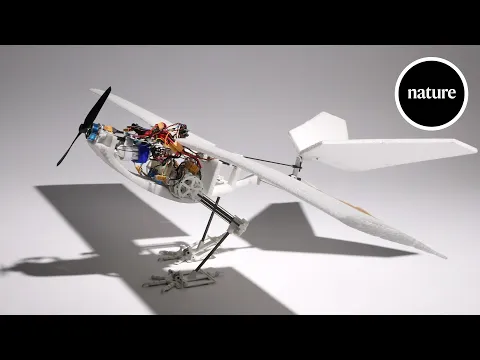
Imagine a robot that not only flies like a drone but also walks, jumps, and takes off without needing runways or specific surfaces. Sounds like a science fiction scene, right? But this is already a reality with the RAVEN, a bird-robot inspired by the movements of birds, which promises to transform the future of technology. Developed by scientists, the RAVEN was designed to operate in challenging terrains, becoming an essential tool for rescue missions, inspections, and monitoring.
What Is the RAVEN?
The RAVEN — which stands for “Robot Vehicle Inspired by Birds for Multiple Environments” — was designed to mimic the movements of birds such as crows and jackdaws, known for their ability to switch between walking and flying with great efficiency. The RAVEN’s main differentiator is its ability to take off with a jump, a feature that makes it more agile and versatile than conventional drones.
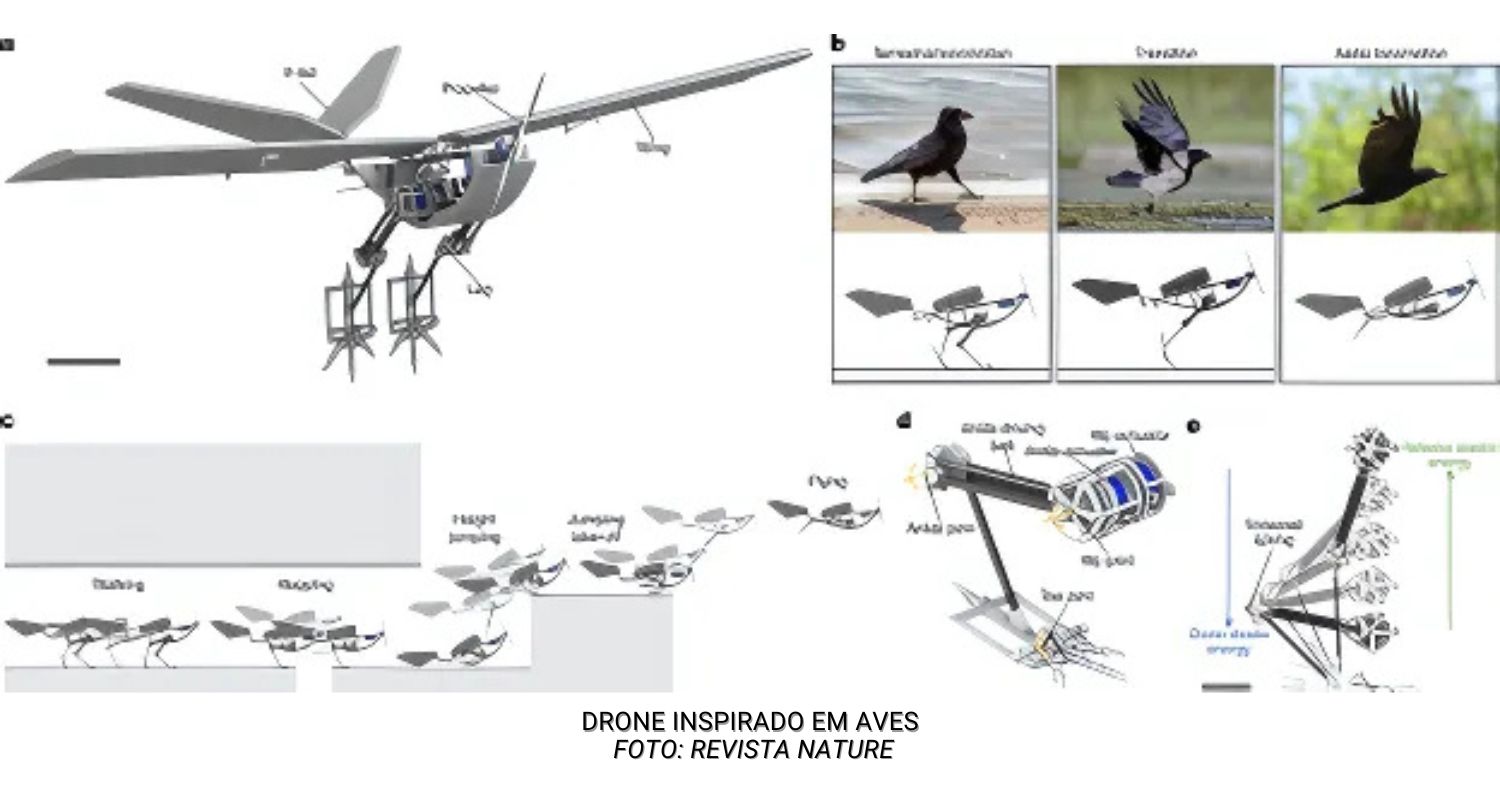
Thanks to this design, the bird-robot saves energy during takeoff and quickly reaches an initial flight speed, facilitating its operation in complicated environments such as dense forests, mountains, or disaster zones. This combination of skills makes the RAVEN a promising technology in various areas.
-
Goodbye traditional laundry: Roborock launches washer and dryer with super hydrolysis, microbubbles, 99.99% sterilization, low-temperature drying, automatic detergent, app control, and cycles to remove stains, odors, mites, and bacteria from clothes.

-
It is now possible to generate energy without batteries: new flexible material transforms body heat into electricity and paves the way for more efficient, autonomous, and comfortable wearable devices, with the potential to revolutionize personal electronics in the coming years.

-
Leaving the charger plugged in without a phone consumes energy or is it a myth? Experts call the phenomenon “phantom consumption” and warn that dozens of devices on standby can add up on the bill over the year.
-
It accompanies Earth, but it is not a moon: Chinese probe reaches Kamo’oalewa and begins an unprecedented mission to investigate where the strange asteroid came from, what its internal structure is like, and whether its origin is linked to an ancient collision that launched fragments of the lunar surface into space.


Why Is the RAVEN Different from Traditional Drones?
Traditional drones are extremely useful but have limitations, especially in uneven terrain or hard-to-reach areas. They generally require specific runways to take off and do not have the ability to move on the ground. This is where the RAVEN stands out.
With specially designed legs, the robot can walk, jump over obstacles, and even take off from difficult terrain. This nature-inspired design enhances its efficiency and allows it to be used in missions where regular drones would not be able to operate.
For example, imagine a rescue team needing to reach an isolated area after a landslide. While a traditional drone would struggle to operate in that kind of environment, the bird-robot RAVEN could easily walk over the rubble, jump to take off, and access areas that are out of human reach.
Applications of the Bird-Robot
The possibilities for using the RAVEN are numerous. It was designed especially for missions in challenging locations, but its potential goes far beyond. Among its main applications are:
- Rescue in Disaster Zones: The ability to walk and fly makes the RAVEN ideal for accessing remote or devastated areas, such as landslides, earthquakes, or floods, where it is difficult for humans or conventional drones to operate;
- Inspections in Hard-to-Reach Locations: The bird-robot can be used to inspect structures such as power towers, bridges, or pipelines in mountainous regions;
- Package Delivery: In isolated areas where vehicles and traditional drones face logistical difficulties, the RAVEN can ensure quick and secure deliveries;
- Environmental Monitoring: With its ability to walk and fly, the RAVEN can be used to study fragile ecosystems or monitor areas with hard-to-reach flora and fauna.

Challenges and Next Steps
Although the RAVEN has already demonstrated impressive capabilities, there are still challenges to overcome. One of the main ones is the lightweight structure. For it to fly and walk efficiently, scientists had to develop lightweight yet sturdy materials. Now, the focus is on improving the control of the robot’s legs and its landing capability, ensuring greater precision and stability.
Researchers are also exploring new ways to apply this technology. In addition to rescue missions and inspections, there is growing interest in using the RAVEN for interventions in disaster zones and even for commercial deliveries in remote areas.
Nature as Technological Inspiration
The design of the RAVEN is a clear example of how nature can inspire technological advances. By studying the movements of birds, scientists have been able to create a robot with unique abilities, combining ground mobility with flying capability. This not only expands the possibilities of use but also represents a significant advance in robotics.
Published in the prestigious scientific journal Nature, the bird-robot project is a milestone in the development of drones and hybrid robots. It paves the way for new solutions in sectors ranging from humanitarian aid to commerce and environmental monitoring.
As technology advances, it is likely that we will see the bird-robot becoming increasingly present in our lives, whether helping in natural disasters, monitoring forests, or ensuring deliveries in remote locations. For scientists, the challenge now is to make this technology even more efficient and accessible.
Whether flying through the skies or walking through challenging terrain, the RAVEN proves that the future of drones is not just about flying — it is about adapting to any environment.


Muito interessante me interessa.