Portuguese
  Spanish


Minnesota And Texas Accelerated The Sale Of Millions Of Portions With Exclusive Menus, Mass Production, And Direct Impact On Gastronomic Tourism
Imagine entering a crowded park and instead of only smelling popcorn, being engulfed by a wave of freshly fried potatoes, sweet corn in butter, and still-smoking smoked meat.
Now imagine that this is not a restaurant. It is a temporary city that is born, works at its limit, and disappears shortly thereafter. In Minnesota and Texas, the fair becomes an industry, and every minute is worth money.
Whoever gets the recipe, pace, and line right can change the entire year in just a few days.
-
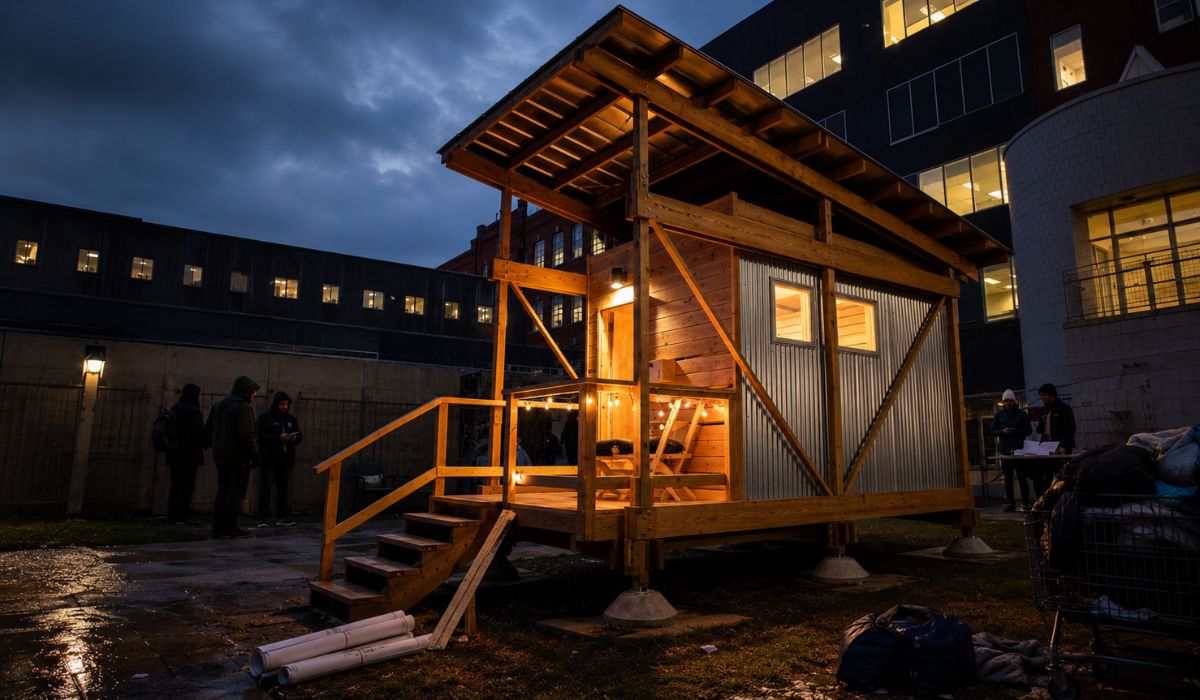
Architecture Students Design 8×12-Foot Microhouse for Homeless in Newark, Proposing Compact Shelter as Urban Solution Amid Housing Crisis

-
From Humble Beginnings to Industry Leader: The 30-Year-Old Scrap Dealer Transforming Brazil’s $1.8 Billion Metal Recycling Sector

-
From Hotel Porter to CEO: Brazilian Entrepreneur Leads Travel Agency Serving Major Brands and Generating $270 Million in Revenue

-
From Selling Cleaning Products in Vans to Over 300 Franchises: Entrepreneur Targets $30 Million by Expanding into Professional Cleaning Services and Laundries




Minnesota State Fair Becomes A Production Line For 12 Days

In Minnesota, the fair runs like clockwork. It lasts 12 days during which around 300 food vendors feed crowds with a menu that reaches 500 approved items.
The competition for space is tough because the audience is large and the showcase is powerful. A single dish can become a tradition and draw a line from start to finish of the day.
The result is a scenario where kitchens look like factories, with large teams, custom equipment, and constant production.
Industrial-Scale French Fries Reach 460,000 Pounds

One of the most eye-catching points is the french fries made as if it were a high-volume operation. In a good year, production reaches 460,000 lbs of potatoes, with a continuous flow of peeling, cutting, and frying.
The goal is simple yet difficult at the same time. Crispy on the outside and soft on the inside, repeated in thousands of portions without losing standard.
When it’s time to eat, the excess becomes part of the show. The largest bucket goes for US$ 14, filled with thick fries and smoke rising with each stir.
Sweet Corn Goes Through Immersion And Goes Straight To The Grill

The corn also enters this logic of efficiency. It arrives refrigerated, goes into a tank, and soaks for 10 to 15 minutes, before finding a grill made for heavy work.
Next comes the step the public is waiting for. Peel, dip in butter, and season the way each person prefers, without losing the flavor of the grain.
The curious detail is that even a simple item can take time to gain space. Approval to sell corn took 5 years, which shows how controlled entering the fair is.
Rules And Curation Decide What Goes On The Menu
Not every idea is born and goes to the showcase the next day. There is a review and approval process, and many vendors spend years trying to secure a spot.
According to Best Ever Food Review Show, a YouTube channel about food with 12 million subscribers, new items only advance when they prove appeal, viable operation, and consistency in delivery.
This explains why some combinations seem absurd, but arrive ready to sell in volume. The fair does not only reward creativity; it also rewards those who can repeat the same result without failing.
Smoked Turkey Becomes A Full Meal And Roasts 700 At Once

When the smell of smoke fills the air, the scene changes. In Minnesota, a mobile structure functions as a giant rotisserie and can roast up to 700 turkey legs at the same time.
The leg arrives pre-smoked, heats for 1 to 2 hours, and then goes through the grill to crisp the skin. The goal is to make it hot, shiny, and easy to hold.
The price matches the size. Each unit costs US$ 15, and many people treat it as a full lunch, not a snack.
Cookies Sold By The Millions Close The Day With A Line And A Full Bucket

At the end of the circuit, dessert comes in as a final blow. A stand with just one product concentrates attention and bets on perfect repetition.
In 2019, sales reached around 3 million cookies. The dough is portioned, goes into the oven for 10 to 12 minutes, and needs to rest before going into the cone or bucket.
The effect is immediate. Firm crust, soft center, and the feeling that there’s always room for one more, even after a whole day of heavy food.
State Fair Of Texas Attracts More Than 2 Million And Transforms Food Into Spectacle

In Texas, the scale goes up another notch. The State Fair Of Texas, opened in 1886, now attracts more than 2 million visitors and lives on calculated excess.
There, what grabs attention is not just the size. It is the courage to mix, fry, stack, and serve as if it were normal, always with many people around observing.
The audience looks for the classic, but returns for the different. And it is this different that tends to make local headlines and attract those from outside.
Food On A Stick Dominates Texas With 365,000 Corn Dogs A Year

In Texas, food on a stick becomes the rule. The event transforms dishes into portable versions, from sweets to meats, to speed up the flow and keep visitors moving.
The symbol of this format is the corn dog. The average annual consumption reaches 365,000 units, showing how a simple item can gain strength when it becomes a tradition.
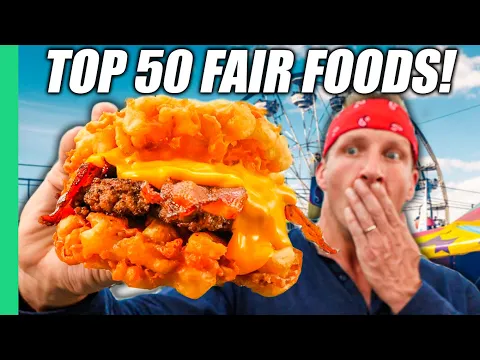
Amid all this, creations that seem like challenges appear. Sweet sandwiches with chicken, fried versions of combinations with banana and butter, and other formats designed to surprise at first bite.
Minnesota and Texas show that a state fair is not just a stroll. It is a high-volume operation, with control, competition for space, and a showcase capable of turning a dish into a business.
For the visitor, the impact is direct. In just a few days, it’s possible to taste recipes that do not appear in daily life, see food being produced on an industrial scale, and understand why these fairs have become a global reference in gastronomic tourism.