






 Portuguese
  Spanish


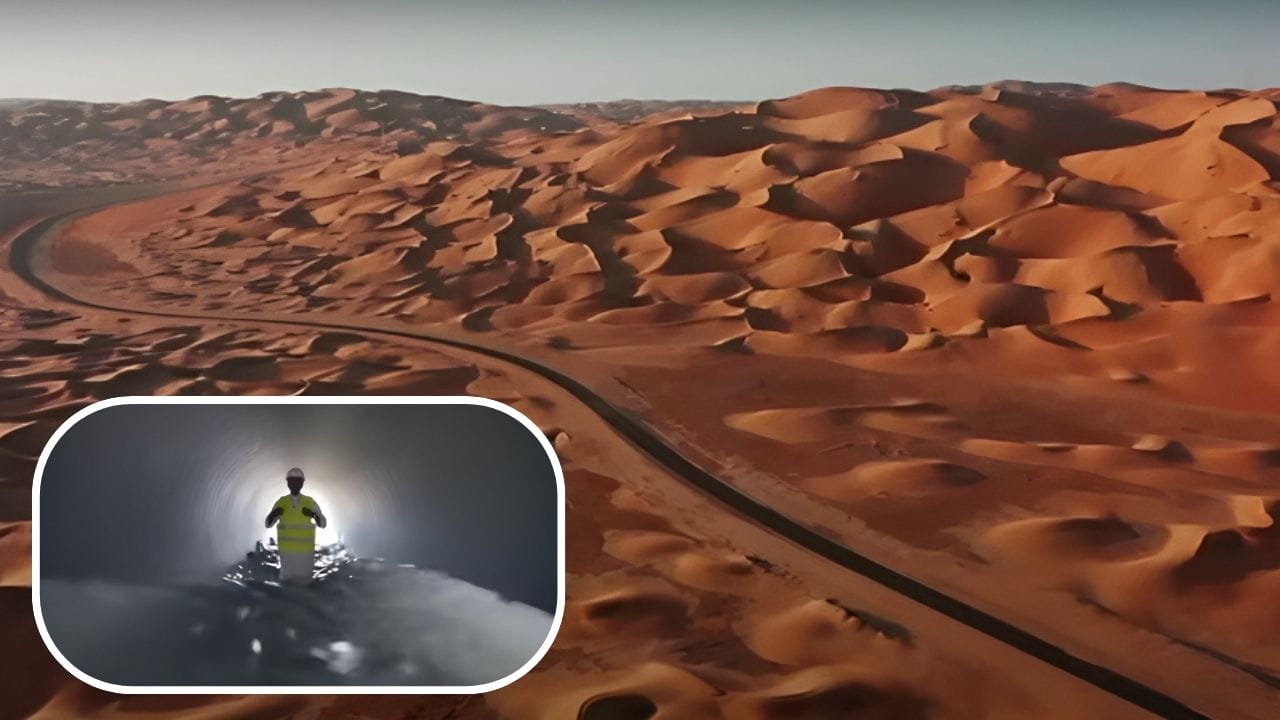

This Project in Egypt, Known as “New Delta Project”, Is a Direct Response to the Increased Demand for Water Due to Population Growth and Adverse Climatic Conditions.
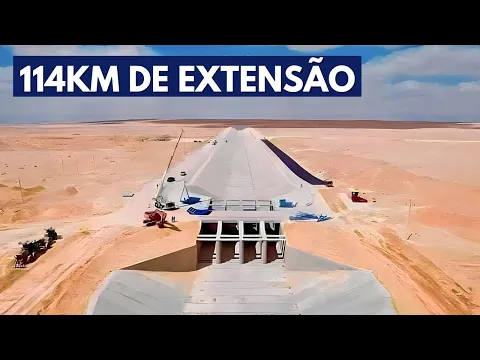
With an estimated investment of US$ 5 billion, Egypt’s New Delta Project, to create the largest artificial river in the world, will stretch an impressive 114 km.
The project includes two sub-projects, “Future Egyptian Projects” and “South of War Axis“, and aims to expand agricultural land in desert regions, as well as reduce dependency on imports impacted by the conflict between Russia and Ukraine.
Strategic Partnership with Saudi Arabia
The Egyptian government, in collaboration with Saudi Arabia, is working to make this dream a reality. Saudi Arabia, with its vast financial resources, plays a crucial role in this endeavor, reflecting the growing closeness between the two countries.
-
Goodbye to old tiles: renovation technique without construction transforms bathrooms in a few hours, eliminates debris, and reduces costs with coverings using special paints, high-resistance adhesives, and modern finishes that completely renew the space.

-
Goodbye to the traditional clay brick: Indian startup transforms burnt straw into a carbon-negative brick that costs half, insulates better, and even removes CO2 from the air.

-
A Japanese governor single-handedly stalled the construction of the world’s fastest train for nine years, and only now has he agreed to allow a tunnel excavated at a depth of 1,400 meters.

-
A 180-meter ship with a deck the size of a football field was christened to carry 25,000 tons of giant energy modules around the world.


The project faces significant engineering challenges, requiring specific solutions for the interconnection of the different parts of the canal.
The canal will consist of an extension of underground pipes and an open stretch, with construction work already underway.
New Delta Project and Job Creation and Opportunities

The New Delta Project will not only ensure food security and reduce imports but also create job opportunities, boosting exports and strengthening the Egyptian economy.
The project will develop agricultural land over an area of 2.2 million hectares, primarily using recycled agricultural drainage water and groundwater.
Egypt struggles against desertification and water resource scarcity, with an annual water deficit of about 7 billion cubic meters.
The Grand Ethiopian Renaissance Dam threatens to further reduce the flow of the Nile River, vital for Egypt, exacerbating the water crisis.
The New Delta Project Is an Audacious and Innovative Response to Egypt’s Increasing Water Demands.
Complemented by measures such as water rationing, desalination, and modernization of irrigation systems, this project represents a milestone in global water engineering and an example for other countries (like Brazil) facing similar challenges.
As the project progresses, it will be interesting to observe its impact on the present and the future of Egypt. This revolutionary endeavor promises not only to alleviate the country’s water crisis but also to serve as a model for effective water resource management on a global scale.


