Portuguese
  Spanish


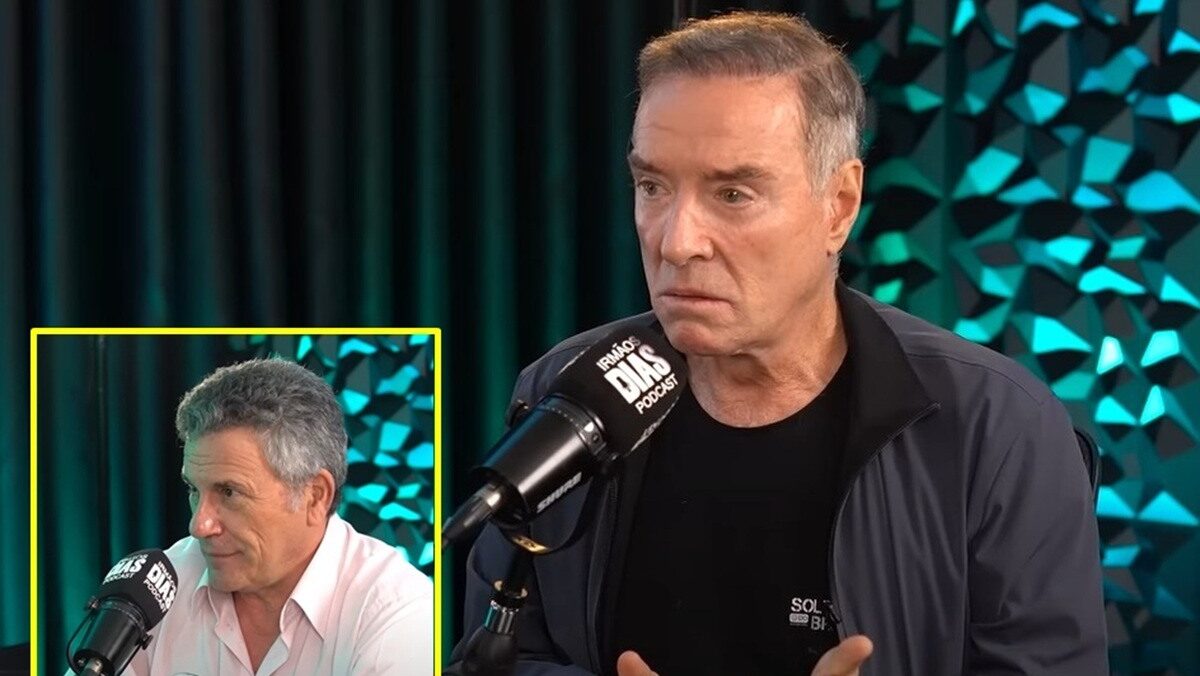

In Podcast, Entrepreneur Responds to Criticisms from Sérgio Habib and Defends BYD, Highlighting Advances in Autonomy, Energy Economy, and Historic Fall in Battery Prices.
The discussion about the future of electric cars in Brazil was highlighted in interviews on the Irmãos Dias Podcast. First, the renowned entrepreneur Sérgio Habib presented a long analysis of the limits and challenges of the national market for electric vehicles, with a special focus on BYD.
Some months later, Eike Batista participated in the same program and directly responded to the criticisms, with irony, data, and optimism about the electric revolution that, according to him, “has already begun and is inevitable.”
Sérgio Habib: “Brazil is a Jabuticaba in the Global Automotive Market”
Sérgio Habib began his analysis by stating that the Brazilian automobile market is a unique case in the world, with its own characteristics that hinder the entry of foreign brands — especially those from China that only produce electric or hybrid vehicles.
-
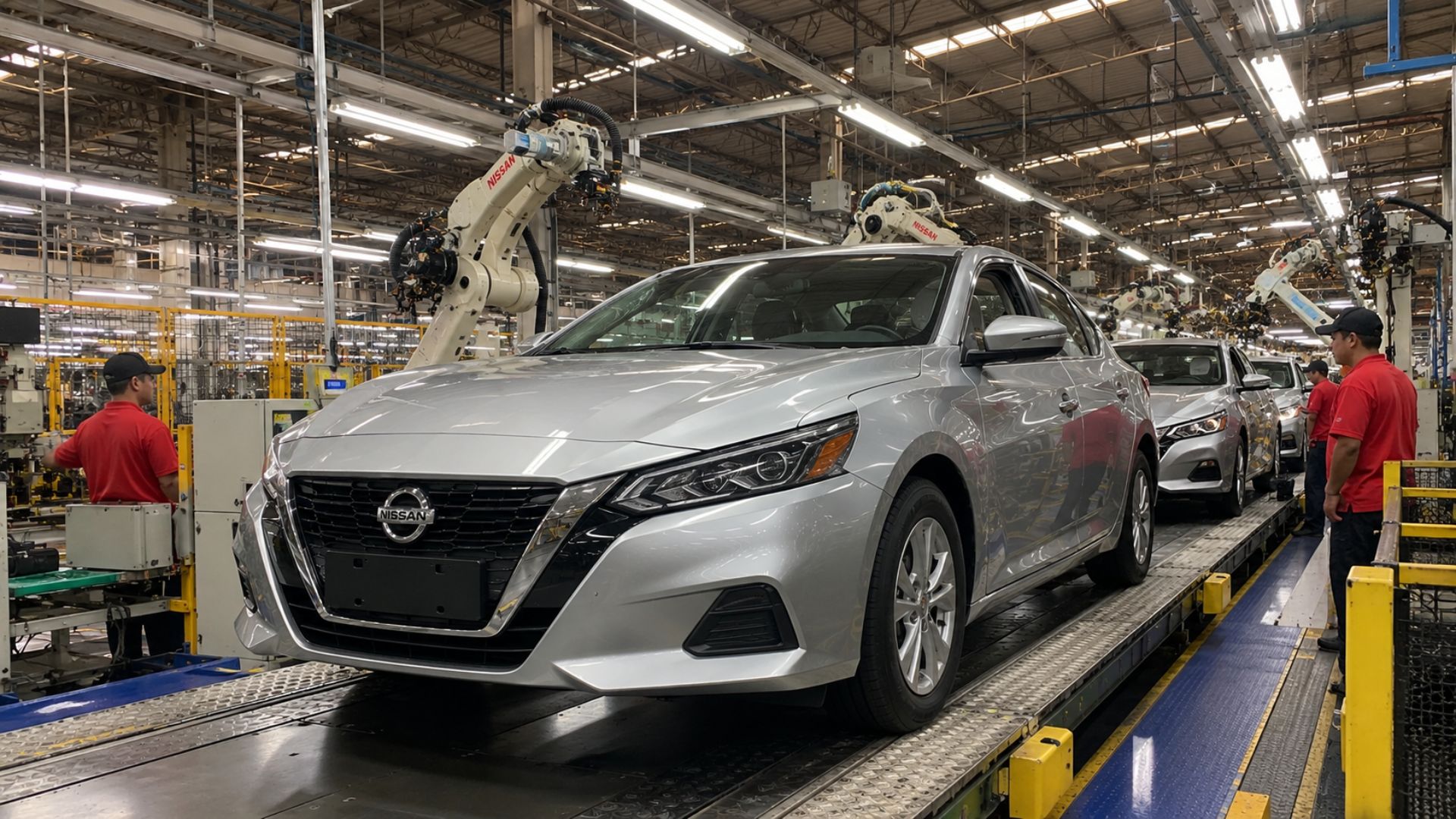
End of an era in Brazil: beloved sedan by Brazilians is discontinued despite having a 2.0 engine with 151 hp, CVT transmission, 466-liter trunk, and up to 650 km of range.

-
New Law Proposal in Brazil Could Heavily Penalize Drivers: Dangerous Overtaking May Become a Serious Offense with Fines Increased Tenfold and a 12-Month License Suspension; Update on 2026 Progress

-
Electric Revolution: Watts W125 Motorcycle Offers 160 km Range, 90 km/h Speed, and Affordable Price Starting at $3,000
-
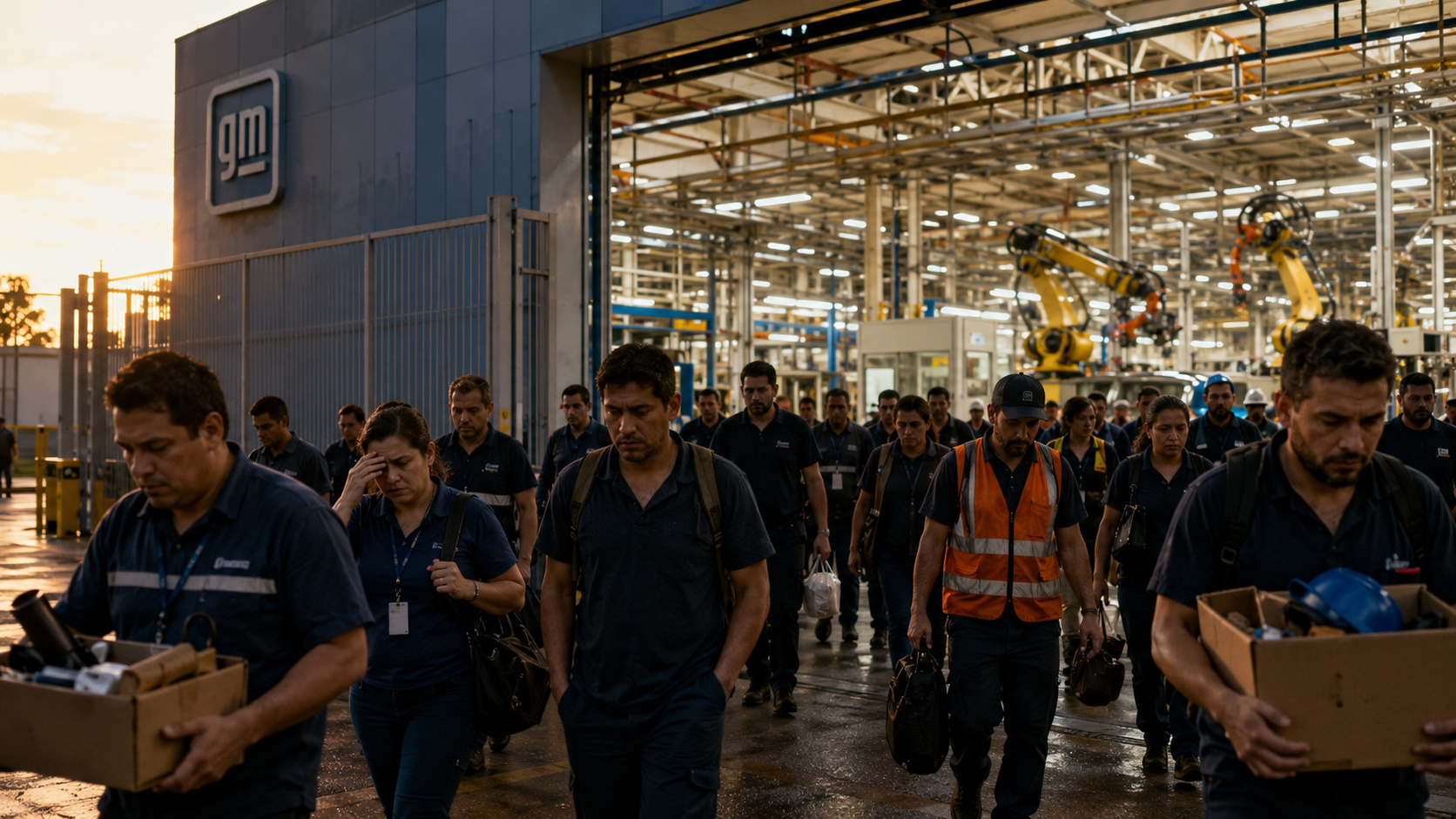
General Motors Replaces Over a Thousand Workers with 50 Cobots at Electric Vehicle Plant, UAW Union Criticizes Move Amid Industry’s Automation Push


According to him, Brazil is an ‘automotive jabuticaba’, a country where the market follows tax rules, consumption habits, and logistical conditions that are very different from countries like China, the United States, or Europe.
Habib presented numbers to justify his view: Brazil has a fleet of 2.5 million automobiles and grows slowly, about 3% per year.
Within this universe, 2 million are passenger cars, and half of this total — 52% — are 1.0 vehicles.
These numbers, he says, explain why any brand that wants to have a relevant presence needs to offer 1.0 flex or 1.0 turbo flex cars, which requires extremely high investments in local engineering and production.
1.0 Engines: The Invisible Bottleneck for Foreign Automakers
Habib emphasized that the 1.0 engine is a tax and economic requirement typical of Brazil.
While other markets operate with 1.2, 1.3, or 1.5 engines, the Brazilian system charges up to 6% more in taxes for vehicles over 1.0 liter.
This particularity, according to the entrepreneur, forces automakers that want to compete seriously to develop exclusive engines for the country — something costly and with no international return.
He cited the case of Hyundai, which invested heavily in 2011 to develop the HB20, a car created specifically for the Brazilian market, with a 1.0 engine and features adapted to local taste.
The model became a sales success, but it is a clear example of the cost of “Brazilianizing” production:
“The HB20 is a car made for Brazil and within Brazil. It doesn’t sell in Korea, Europe, or the United States,” he stated.
In Habib’s view, this type of strategy destroys the scale advantage of foreign brands, which start to face the same production and logistics costs as national automakers without the benefit of volume.
“You stop having Chinese labor, you stop buying Chinese steel, and you start manufacturing everything with Brazilian costs,” he explained.
Why BYD Will Likely Not Dominate Brazil, According to Habib
When asked about the visible growth of BYD in Brazil, Habib was direct:
“No way. BYD will not dominate the Brazilian market.”
He argued that, although the Chinese company has high-quality and technological products, its strategy is incompatible with the country’s reality.
According to Habib, BYD only manufactures electric and plug-in hybrid cars, segments that represent only 2.3% of the national market — and, according to him, in decline.
“The Brazilian market grew 3.3% in the first months of the year, while electric cars dropped 15%. BYD dominates 75% of this niche, but that amounts to 1.6% of the total market.”
Additionally, Habib pointed out that plug-in hybrids are expensive and complex, as they carry two complete technologies: the structure of a combustion car and that of an electric car, with batteries, dual engines, and integrated electronic systems.
“It’s a car with a radiator, water pump, catalytic converter, alternator, battery, electric motor, and all the electronics that connect the two systems. That doesn’t fit in a small car, only in a medium car — and the medium car market in Brazil is only 400 thousand units per year.”
In his view, the brand will only grow above a 4% share if it launches a completely new car, with a flex 1.0 turbo engine developed exclusively for Brazil — which would eliminate any economies of scale and thus make the business unfeasible.
“Mathematically, it is impossible to exceed 4% with the current strategy.”


Eike Batista Responds: “Sérgio, You Are Drinking Gasoline”
Days after Habib’s interview, the entrepreneur Eike Batista participated in the same podcast and directly responded to the criticisms.
With good humor, he started by saying:
“Sérgio, you are drinking gasoline.”
Eike disagreed with all of his colleague’s predictions and defended BYD as one of the most promising companies in the country.
According to him, the electric vehicle market grows due to efficiency, not trends, and consumers who test the technology never go back to combustion cars.
Eike: Five Times More Economy and Range of Up to 600 km
Eike argued that the cost per kilometer driven is much lower in electric vehicles, especially in large cities.
“In Rio, I spend five times less to drive than with gasoline. That’s the number.”
He cited examples of professional drivers:
“There are taxi drivers in Rio who are pocketing R$ 3,000 a month. What’s wrong with that?”
He also argued that the range of new models has completely changed the scenario.
“Before, an electric car would go 200 km and cause anxiety. Now it can go 500 or 600 km on a charge.”
For him, this eliminates Habib’s main argument about infrastructure, since many users can recharge their cars at home, without relying on public stations.
“I drive from home to Angra and come back with still 30% of the battery. I arrive, plug it in, and that’s it.”
Safety and Technology: “Combustion Cars Catch Fire 61 Times More”
Eike also addressed Habib’s concern about fire risks.
“A combustion car has 61 times more chance of catching fire. You can check the number.”
He acknowledged that fires in electric vehicles are harder to contain but insisted that the probability is much lower and that the debate is distorted.
According to him, electric vehicles are safer, cleaner, and technologically superior.
The Drop in Lithium and the Revolution of Sodium Batteries
The businessman also addressed the issue of batteries, stating that costs have plummeted in the last five years.
“Batteries used to cost US$ 800 per watt-hour and are now between US$ 80 and US$ 120. They’ve dropped tenfold.”
He highlighted the arrival of sodium batteries, produced by companies like CATL, which promise to be ten times cheaper than lithium ones.
“Lithium dropped 80% in the last year. It’s no longer the metal of the future.”
For Eike, this proves that the market is undergoing a rapid transformation and that electric technology has already become more competitive than combustion.
Two Views, One Country
The contrast between Sérgio Habib and Eike Batista summarizes the Brazilian dilemma regarding the energy transition.
Habib speaks of realism, local costs, and scale limitations, while Eike bets on innovation, efficiency, and technological inevitability.
On one side, the economic argument: a market of 2 million cars, half being 1.0 and with high taxation.
On the other side, the technological bet: increasing range, decreasing costs, and cheaper energy.
Both envision the same future — an electrified Brazil — but completely disagree on when and how it will arrive.