Portuguese
  Spanish



El Salvador Is Planning the Construction of a Futuristic City
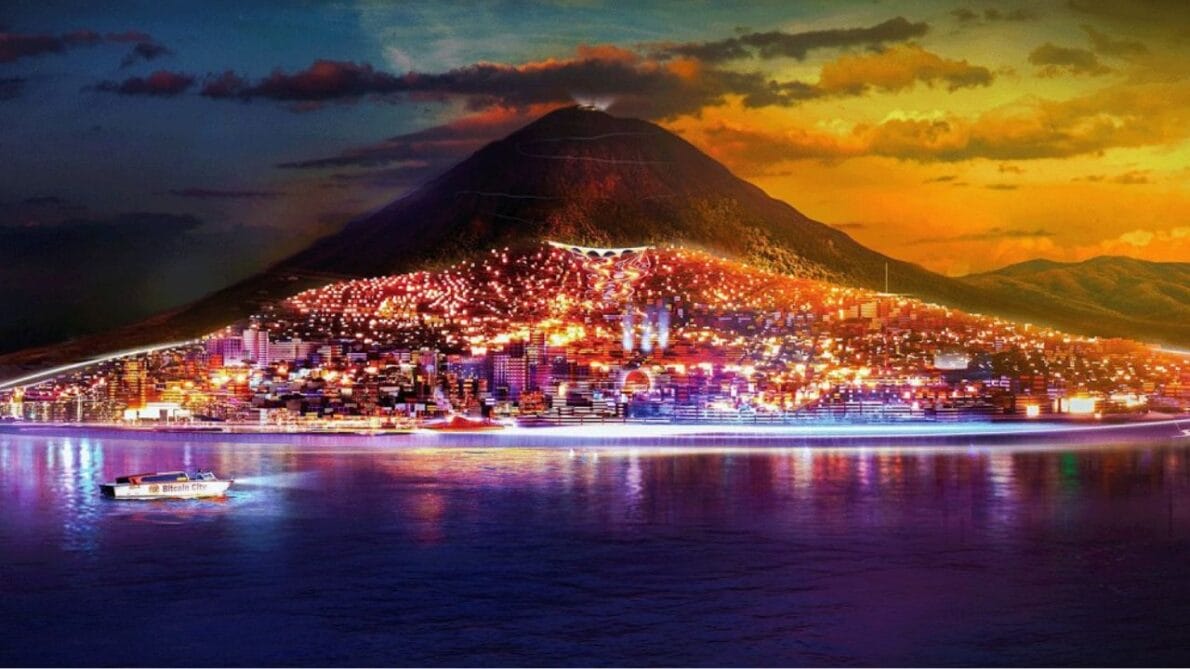
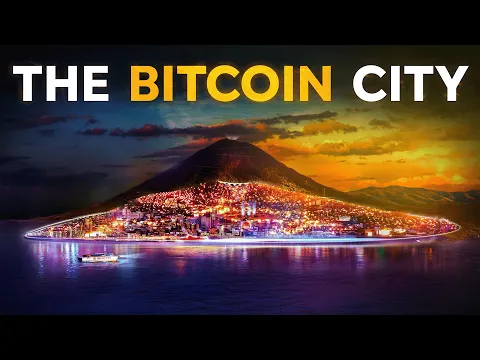
Just imagine: a city with no taxes, zero emissions, completely powered by renewable energy, all in the shape of a giant Bitcoin. Sounds crazy, right? But that’s exactly what El Salvador is constructing. And no, it’s not a joke. This megaproject is real and will be built on the base of a volcano. But why? What does Bitcoin have to do with it?
El Salvador, a small country in Central America, is causing a stir with its plans to build a futuristic smart city. Completely free of taxes and emissions, this city will be powered by renewable energy and will be in the shape of a giant Bitcoin. The question is: why build a city like this? And what is the role of Bitcoin in all of this?
Context of El Salvador

El Salvador is a country with a population of just over 6.3 million people. Despite being small, the country has faced decades of civil war, political instability, corruption, and mismanagement. This has resulted in a weak economy, with about 28% of the population living below the poverty line and 40% at risk of falling into poverty. Gang violence and high homicide rates have always been a problem.
-
Alert in Santa Catarina: the Anita Garibaldi Bridge on BR-101 is completely closed in both directions due to “structural risk,” and drivers are diverted to a 20 km/h detour that promises kilometer-long queues until July 20.

-
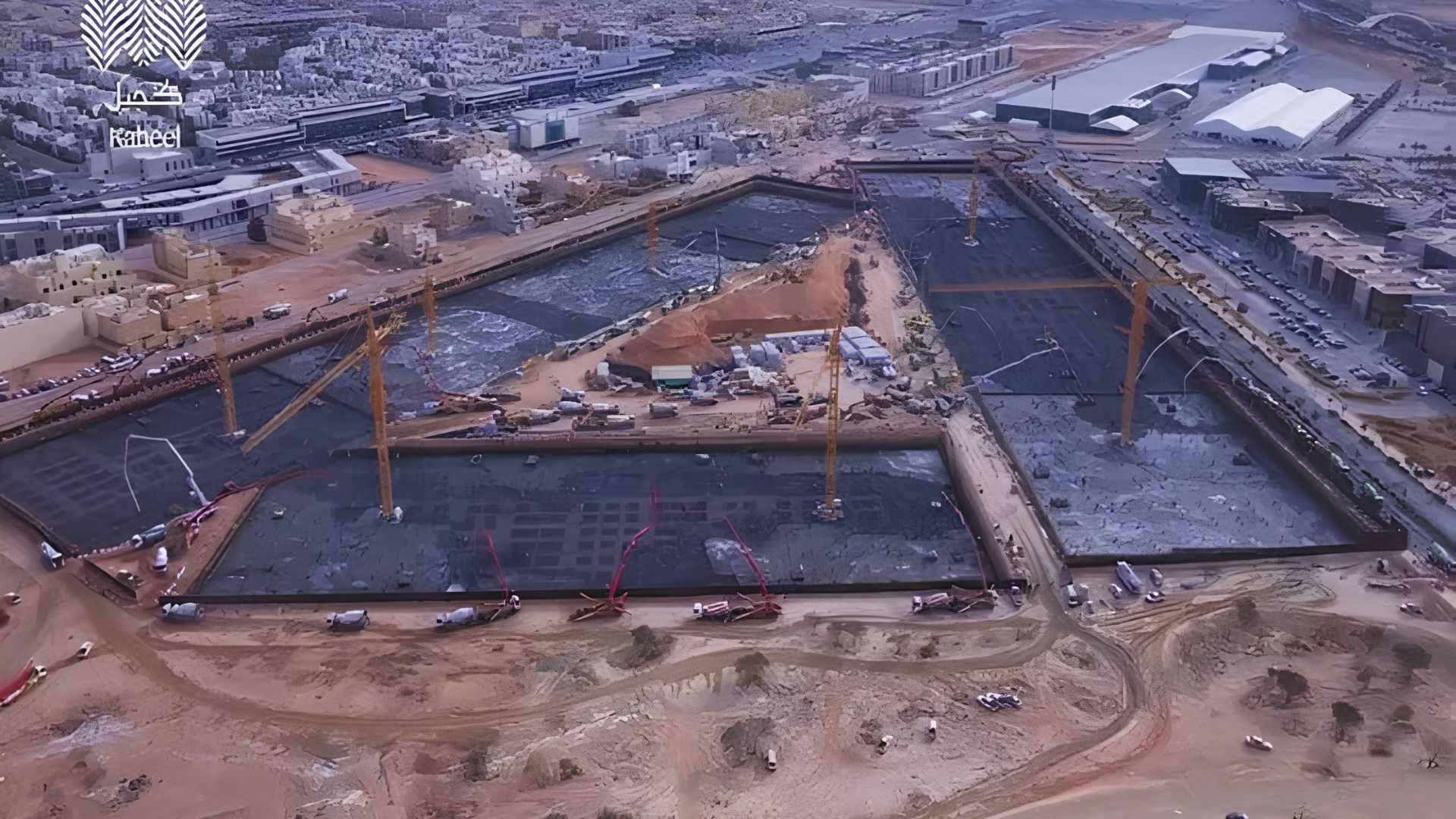
More than 6,000 trucks poured nearly 70,000 cubic meters of concrete without interruption for 72 hours to create the largest continuous concrete pour in history and erect a megaproject in Saudi Arabia.
-
28-meter, 156-ton titans traveled 20,000 km from China to the port of Santa Catarina: Portonave received 7 fully electric megacranes, part of a R$ 210 million package, to double container handling.
-
They exchanged the idea of a large house for a 35 m² warehouse, spent US$ 12,000 on the structure, and created a tiny house in Colorado with space to live and work.



Transformations Under the Leadership of Nayib Bukele
The history began to change with the election of Nayib Bukele as president in 2019. With an innovative approach and independence from traditional parties, Bukele implemented several controversial changes, such as adopting Bitcoin as legal tender in 2021. The idea was to promote financial inclusion, investment, tourism, innovation, and economic development. However, the adoption of Bitcoin was met with skepticism and distrust by much of the population and international financial institutions.
The Project to Build Bitcoin City
Now, Bukele is taking his vision of Bitcoin to a new level with the construction of Bitcoin City. Located in the southeastern region of El Salvador, the city will be circular, resembling a large Bitcoin, and will have its own infrastructure, including an airport. The plan is for all transactions in the city to be made in Bitcoin, also offering tax exemptions to attract investors and residents.
Clean Energy and Financing
The city will be powered by geothermal energy from the Conchagua volcano, ensuring it operates entirely with clean and renewable energy. However, the initial cost of this energy is high. The project is budgeted at around 300,000 Bitcoins, which is equivalent to more than 17 billion dollars. To finance the construction, El Salvador plans to issue one billion dollars in “volcanic bonds”, half of which will be invested in Bitcoin.
Issues Like Bitcoin Volatility and Lack of Progress in Construction Have Raised Doubts
Despite the promises, construction of the city has not yet begun. Issues such as the volatility of Bitcoin and the lack of progress on the works have raised doubts about the project’s viability. So far, only the airport, which will serve Bitcoin City and the neighboring municipality of La Unión, has had its construction started.
El Salvador Has Already Started to Make Profits from Its Bitcoin Reserves
Although El Salvador has started to make profits from its Bitcoin reserves, the amount is still small compared to what is needed for the construction of the city. With Bukele’s recent reelection, it is likely that plans for Bitcoin City will continue, but whether it will be completed or not, only time will tell.
El Salvador has taken a big risk by betting on Bitcoin. With Bitcoin City, the country may be opening doors to an innovative future or preparing to face new economic challenges. And you, what do you think of El Salvador’s bold bet? Will other countries follow the same path?