Portuguese
  Spanish


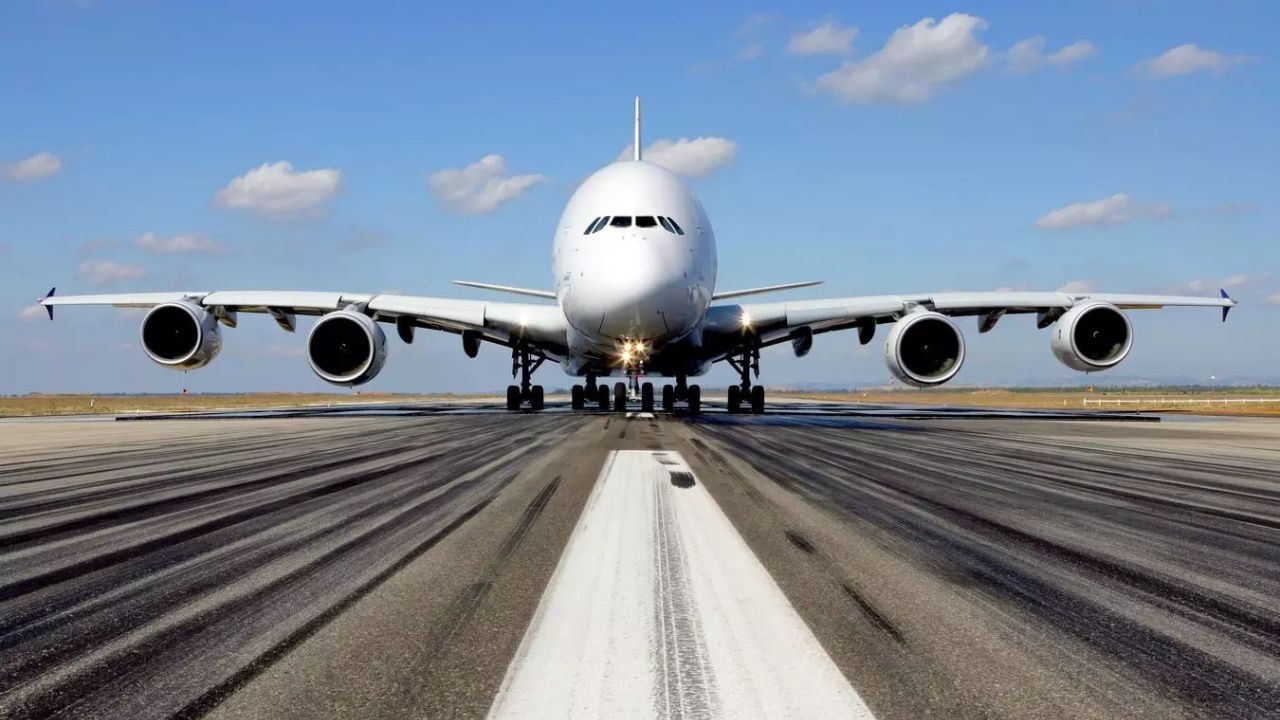

Against Statistics and Barriers, Know the Story of Overcoming Flavia Lucilio, Aline Borguetti and Karina Lutkus, the Pilots Who Took Control of the Largest Passenger Airplane in the World.
At more than 10,000 meters altitude, in command of a 575-ton machine with two decks, the responsibility is immense. This is the cockpit of the Airbus A380, the largest passenger airplane in the world. For decades, this was an almost exclusively male environment. Today, Brazilian female voices also give the commands, breaking cultural and technical ceilings. The paths of Flavia Lucilio, Aline Borguetti and Karina Lutkus are narratives of determination and pioneering that inspire new generations.
Who Are the Brazilian Pilots of the A380?
There is no single path to the cockpit of the Airbus A380. The stories of the Brazilian women who reached this position reveal a combination of vocation, resilience, and adaptation.
The journey of Flavia Lucilio began in childhood in Itápolis (SP), a city with a strong aviation tradition. Influenced by her father, a private pilot, she grew up amid hangars and runways. She graduated in aeronautical sciences and worked as a flight instructor. Aiming to fly internationally, she gained experience in Brazil and China. In 2016, she was hired by Emirates and, after piloting other aircraft, was promoted to the Airbus A380 fleet, a “unique experience” for her.
-
Brazil Welcomes Spanish Wamos Air and Nigerian Air Peace, Potentially Transforming International Routes and Increasing Competition

-
Offshore air transport soars in Brazil, surpasses 2.5 million passengers, and reveals how oil has transformed Rio’s airports into key pieces of national logistics.

-
Latin America becomes the “global champion” of aviation taxes, tickets may become more expensive in Brazil, and IATA’s warning exposes risk for flights, tourism, and passengers.
-
Brazil has lost 85 air routes since 2019 and is still flying less than before the pandemic, leaving passengers with fewer destinations, fewer frequencies, and a more limited air network.


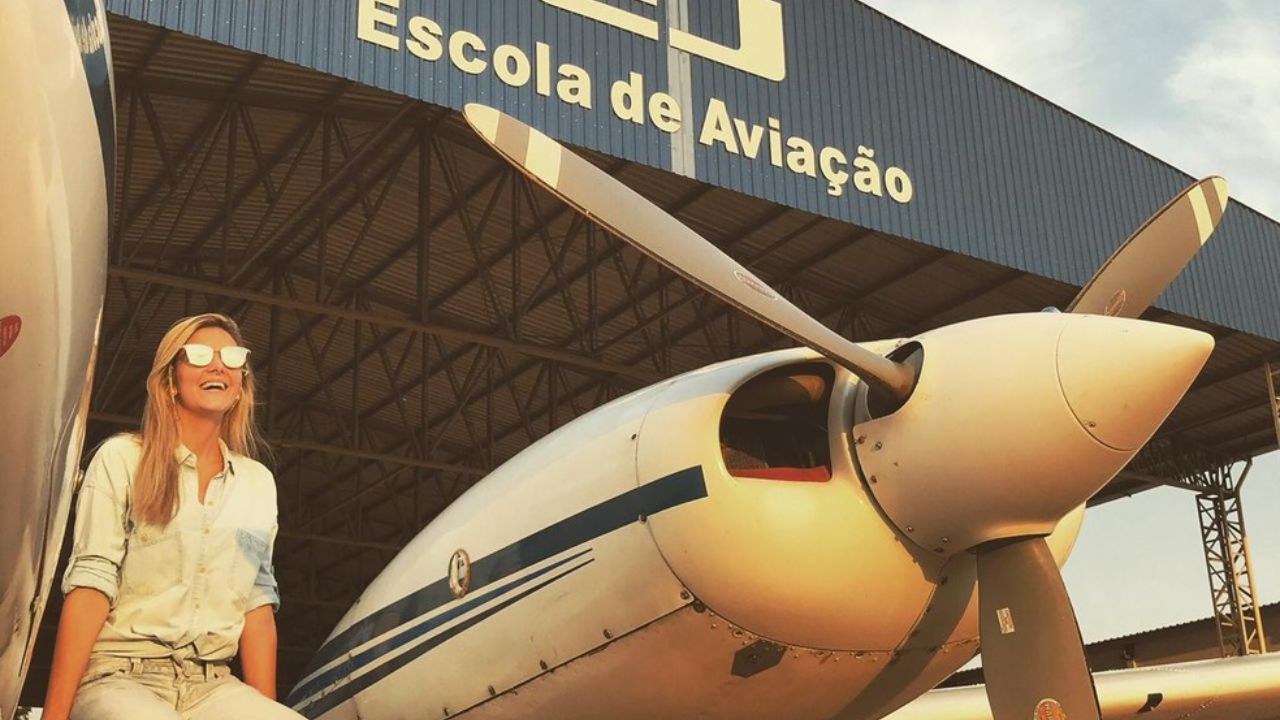
The journey of Aline Borguetti was a change of route driven by “willpower”. From a humble family in Mauá (SP), she became a flight attendant at 18. The contact with the cockpit ignited the dream of flying. She used her own salary to pay for flight lessons. At Azul, she made history by becoming the first flight attendant promoted to jet pilot. In 2019, she joined Emirates to pilot the A380 as first officer (co-pilot).
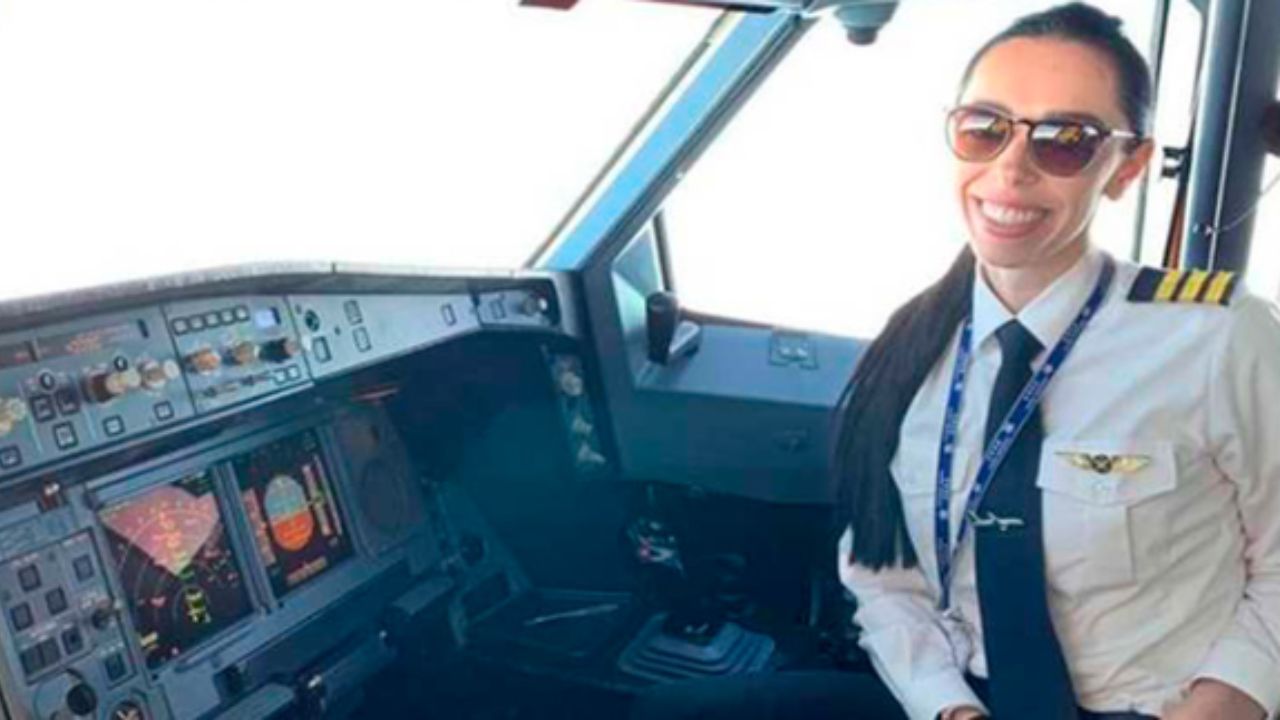
Karina Lutkus represents the experienced professional. With nearly 15 years of service at TAM/LATAM, she was already a captain of the Airbus A320. In 2019, she decided to move to Emirates to take on the role of first officer on the Airbus A380, attracted by the challenge of flying the superjumbo. However, her journey on the aircraft was cut short by the Covid-19 pandemic. Today, she works as a flight instructor at Azul, training new pilots.
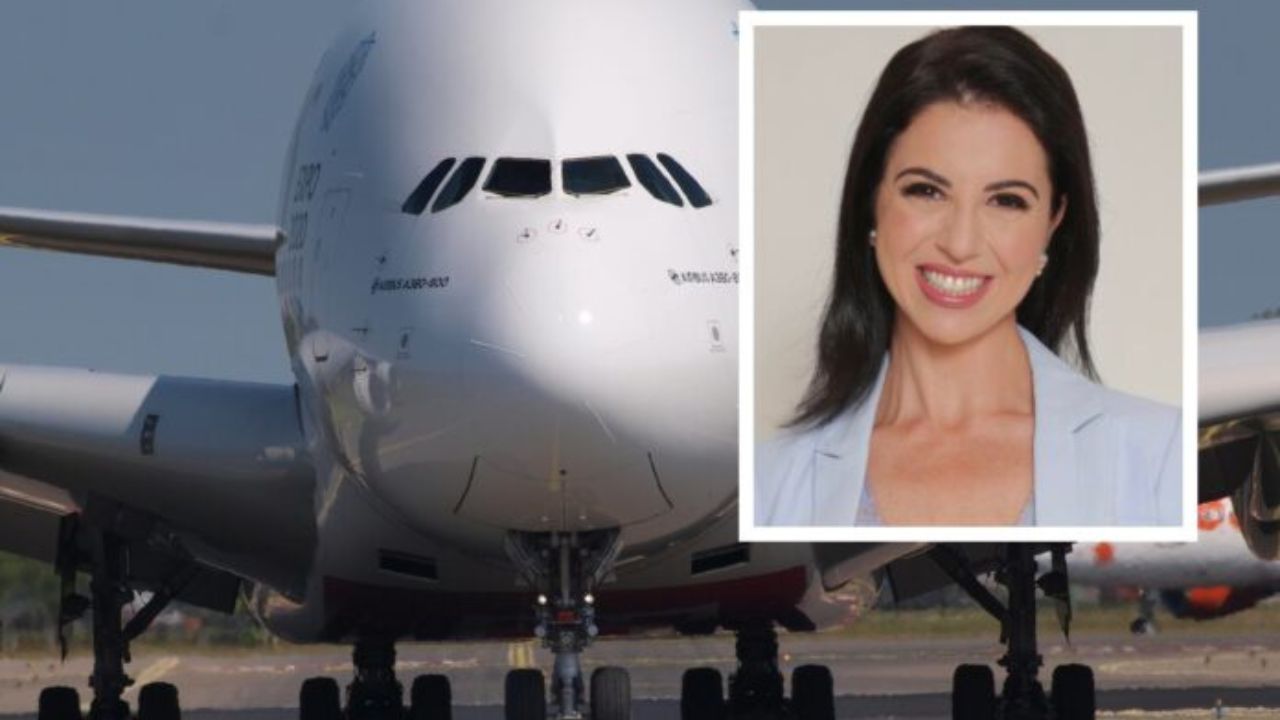
The Challenge of Flying the Airbus A380
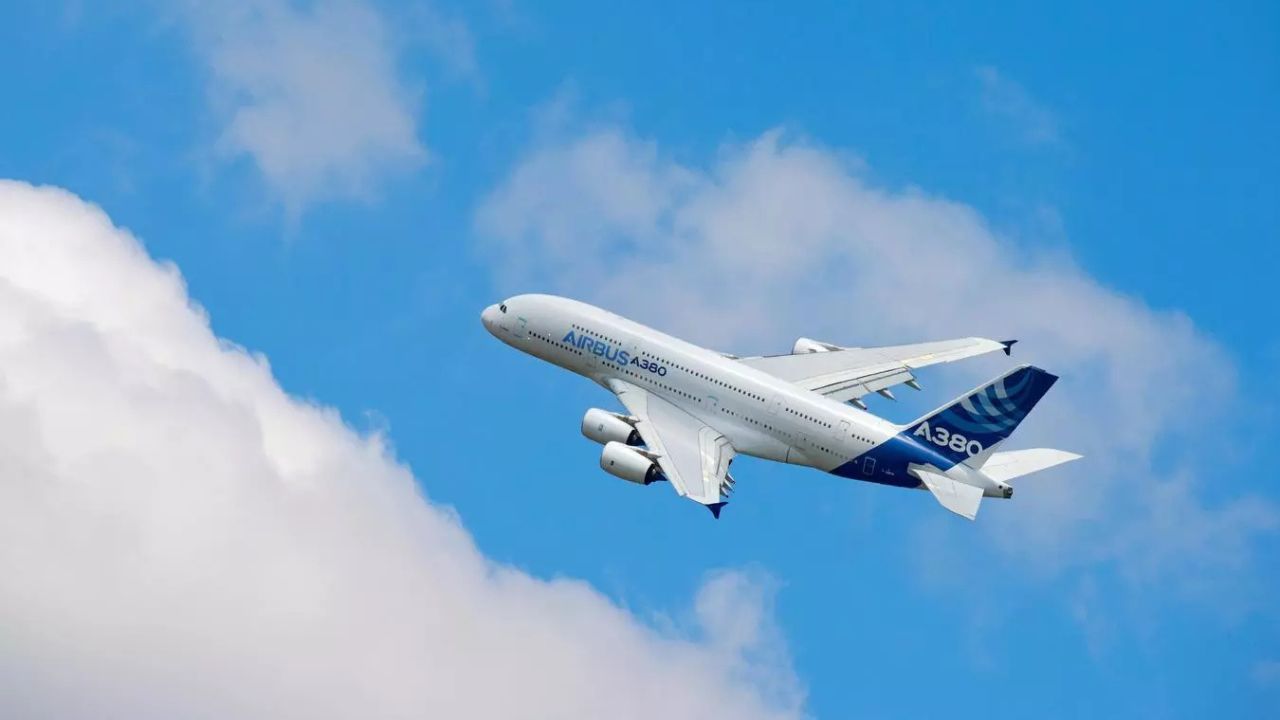
Understanding the aircraft is fundamental to measuring the achievement of these pilots. The Airbus A380 is a hallmark of engineering. Its height of 24.1 meters is equivalent to an eight-story building. Its two full decks can carry between 480 and over 850 passengers.
The cockpit is one of the most advanced in the world, with liquid crystal screens and high commonality with other Airbus models, facilitating training. Four massive engines provide the power for takeoff, allowing ultra-long-range flights of up to 15,000 km.
The history of the A380 is complex. Launched to solve the congestion at major airports, the market has shifted toward smaller and more efficient jets. In 2019, Airbus announced the end of its production. The Covid-19 pandemic seemed to be the final blow, with most of the fleet being grounded. However, the aircraft experienced an unexpected renaissance. With the explosive resumption of travel, its high capacity became a valuable asset, and many airlines reactivated their fleets. Emirates, the main operator, built its business model around the superjumbo.
The Future of Women in Brazilian Aviation
The aviation industry is beginning to take action to change this landscape. The National Civil Aviation Agency (ANAC) launched the “Wings for All” program. One of its most important actions is the proposal to create scholarships for pilot training, with a quota of 50% for women, directly addressing the financial barrier.
Additionally, ANAC partnered with the University of Brasília (UnB) to scientifically map the obstacles faced by women in the sector. The study, with an investment of R$ 1.1 million, will provide data to create more effective policies.
In this context, the legacy of the pioneers of the Airbus A380 is immense. They are proof that talent knows no gender and serve as a visible model that can inspire thousands of girls. The ultimate goal of these actions is that the presence of a woman in command of any airplane ceases to be news and becomes something everyday, the true sign of a fairer and more equitable sky for all.