






 Portuguese
  Spanish


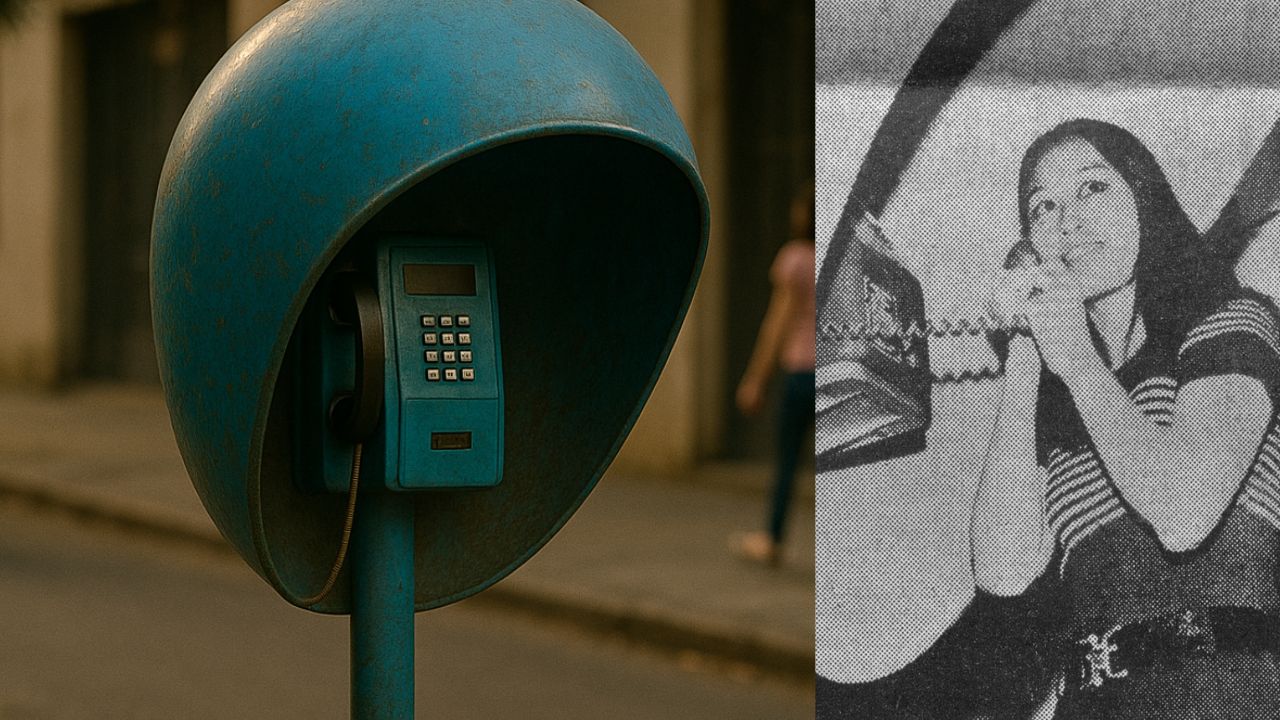

Get To Know The Trajectory Of Architect Chu Ming Silveira And How Her Main Creation, The Orelhão, Represented A Great Innovation In Urban Design And Became A Symbol Of Brazilian Identity.
The “Orelhão,” iconic phone booth, is a fundamental piece of the Brazilian landscape and emotional memory. Indissociable from this creation is Chu Ming Silveira, a Sino-Brazilian architect whose vision of innovation transformed public communication in Brazil and marked the history of national design.
The Sino-Brazilian Visionary And Her Trajectory Of Innovation
The history of the Orelhão is inseparable from that of its creator, Chu Ming Silveira. Her ability to observe and seek practical and aesthetic solutions resulted in an innovation that marked an era.
Born in Shanghai, China, in 1941, Chu Ming Silveira immigrated to Brazil at the age of ten. She graduated in architecture from Mackenzie Presbyterian University in 1964, consolidating the technical foundation for her future contributions. Her father, an engineer, may have influenced her inclination towards design and project solutions.
-
Mother discovers she may have won £12 million in the lottery but faces an agonizing wait after the shopkeeper threw the ticket in the trash.

-
A couple bought a house in Sheffield and, when removing the carpet from the hallway, found a trapdoor leading to a secret 23 m² basement with a 2-meter ceiling height, a discovery that eliminated the need for an expensive extension and, according to them, added £70,000 to the property’s value.

-
A nurse bought for 20,000 a 1955 house abandoned by a hoarder in Texas, and months later, rain revealed a buried pool in the backyard valued at $160,000, which he restored himself for about $10,000, a fraction of the cost of building a new one.
-
The United Kingdom is transforming dog feces left on trails into gas to light a streetlamp through an unlikely and surprising project that shows how even one of the most rejected wastes in cities can generate energy.



Entrance Into Telecommunications Design And The Exploratory Spirit
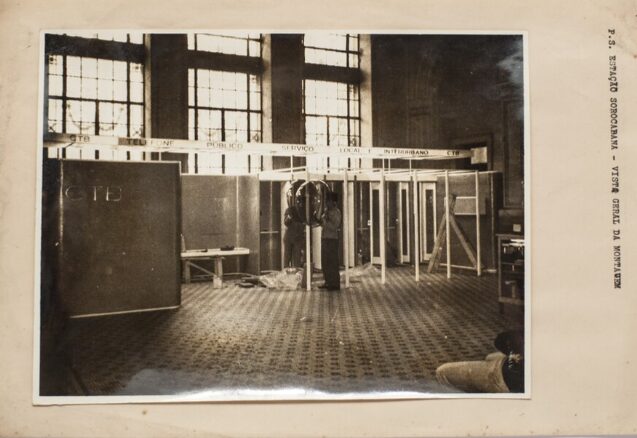
After starting her career at Zick Nicola’s office, Chu Ming moved to Rio de Janeiro in 1968. There, she joined the Companhia Telefônica Brasileira (CTB), taking on the leadership of the civil engineering design department engineering. This position was crucial, placing her in the context that would lead to the creation of the Orelhão. Her condition as a Sino-Brazilian woman in a predominantly male technical field during the 1960s and 1970s likely fostered an original perspective and a spirit of innovation, challenging norms and introducing new approaches.
An Innovative Response To An Urban Need
Before the Orelhão, public telephony in Brazil faced serious challenges. The innovation brought by Chu Ming Silveira emerged as an effective and creative solution to pressing problems.
Existing public phones were vulnerable to vandalism. They offered little protection against noise and weather, compromising the quality of calls. Brazil was undergoing a period of urbanization and development, intensifying the demand for accessible communication. CTB sought phones that were “strong, lightweight, inexpensive, resistant to sun, rain, and fire, and easy to maintain,” a clear call for innovation.
The Genius Of Form And Material

Chu Ming Silveira was tasked with developing new models. Her main innovation was the “egg” shape of the dome. “I thought of the shape of the egg, the most acoustic form that exists,” declared the architect. The shell of fiberglass reinforced with polyester resin isolated noise and improved audibility. The material was lightweight, durable, and easy to mold. From this process, the “Orelhinha” (Chu I), for indoor use, and the “Orelhão” (Chu II), for outdoor use, were born, initially installed in 1971.
More Than A Phone, A Cultural Innovation
Chu Ming Silveira’s creation quickly transcended its primary function. The Orelhão became an example of how design innovation can integrate deeply with a country’s culture. The Orelhão was widely adopted, becoming ubiquitous in Brazilian cities. Its vibrant colors and friendly shape won over the public. The nickname “Orelhão” became established, reflecting its popular acceptance. The design was exported to several countries in Latin America, Africa, and even to China, testifying to the universality of Silveira’s innovation.
The Orelhão As A Symbol Of Access And Social Connection

In an era before cell phones, the Orelhão democratized access to communication. It was a vital “social connector”, especially for those who did not have a residential phone line. Its enhanced functionality and durability, the results of innovation in its design, ensured reliable communication for millions, becoming a symbol of the modernization of Brazilian infrastructure.
Legacy: The Innovation That Remains In Memory
Even with the decline in its use, the Orelhão and the story of its creator remain relevant. The legacy of Chu Ming Silveira is a testament to the lasting power of innovation. The Orelhão is Chu Ming Silveira’s main achievement, but she also designed other urban furniture, such as newsstands and adapted phones. Deceased in 1997, the renewed interest in her work highlights the importance of her contributions and the innovation she represented.
The rescue of the history of Chu Ming Silveira is part of a movement to reevaluate design, seeking to give visibility to important figures who are often overlooked. The fame of the Orelhão catalyzes the recognition of the innovation and the brilliant mind behind it.






Gostei muito da matéria sobre telefone, foi bom conhecer mais uma bela história que deixa saudade
Bela reportagem e marco histórico.