Portuguese
  Spanish


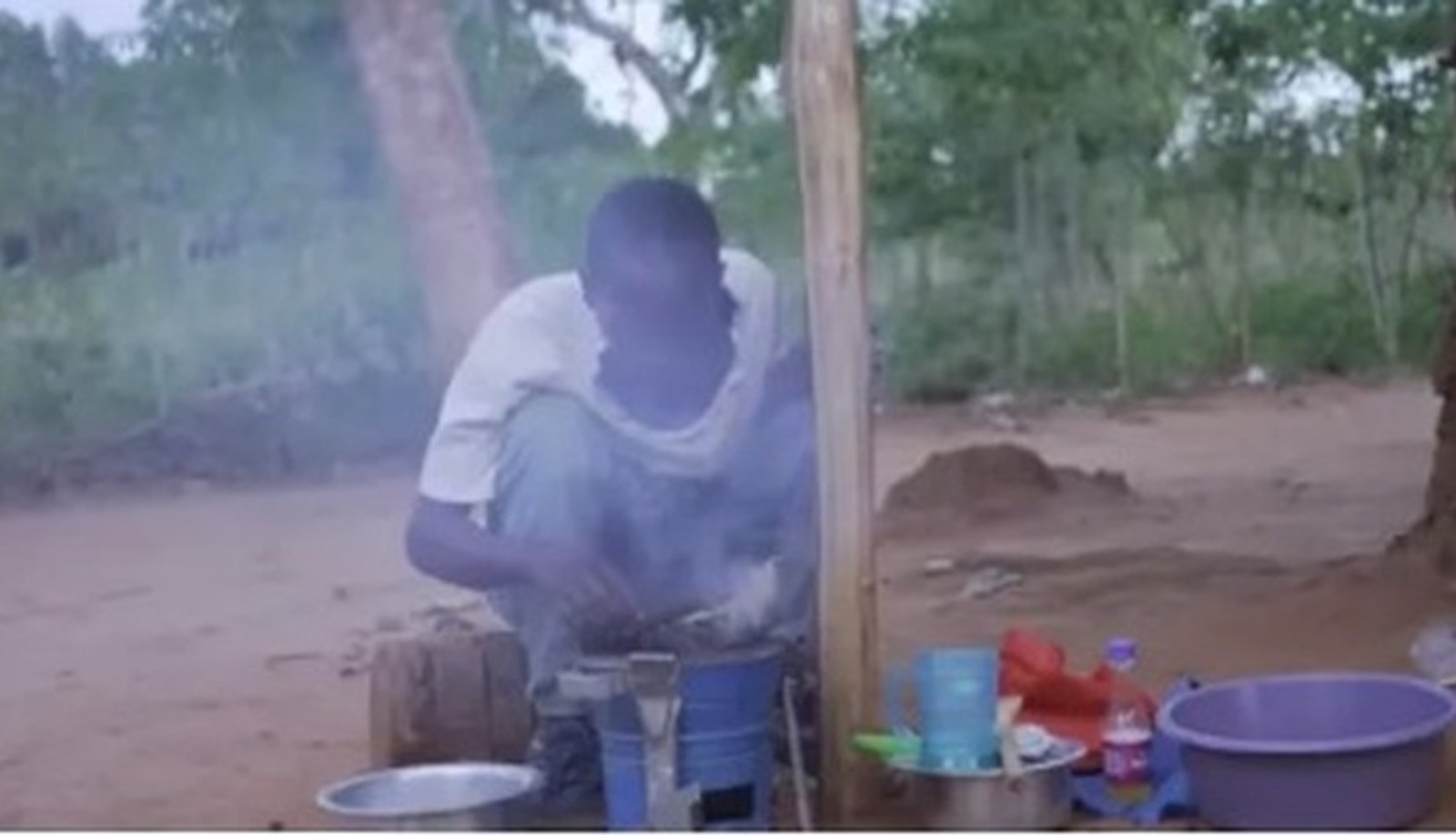


Six Cases Of Apparent Death Lived By Ismail Azizi Reveal Diagnostic Failures, Hospital Technological Absence, Ritual Violence, Social Isolation And Persistent Tension Between Medical Science, Traditional Beliefs And Individual Survival
Ismail Azizi became an anthropological and medical phenomenon in Tanzania by reporting six experiences of reversible death, documented in 2024, that challenge thanatology protocols and expose tensions between scientific rationality, local medical limits and community traditional beliefs.
Apparent Death And Unexpected Returns
The first four occurrences follow a similar pattern, involving severe physical trauma from workplace and traffic accidents, malaria, and snake bites, culminating in states of apparent death recognized locally.
In two situations, the body remained in the morgue for up to 72 hours before spontaneous reanimation, surprising medical teams that had confirmed the absence of vital signs.
-
What is the dark substance found in the sand of Ipanema Beach? Civil Police conduct an examination, collect samples of the material, and initiate an investigation to identify the composition, clarify the origin, and verify if there was an environmental crime.

-
The beer that was hidden for 3,000 years has returned to the world: scientists find yeast preserved in Ancient Egyptian vessels and recreate a pharaoh’s drink to discover the lost taste of an ancient civilization.
-
NASA spotted a giant “surfboard” crossing the Moon’s orbit at 11,500 km/h, and the truth behind the mysterious object required a 0.338 millisecond photo to be revealed.

-
Brazilian project based on nanotechnology transforms the recovery of degraded areas in the Amazon, receives international recognition, and uses research in 9 states to accelerate the growth of native species and increase carbon capture.



Local doctors confirm the absence of heartbeat and respiration during initial examinations but report a lack of equipment for continuous neural monitoring, limiting more precise clinical conclusions.
Violence, Belief And Exorcism Attempt
The fifth episode introduced a decisive social element, when a fall into a well generated community theories of spiritual possession associated with the repetition of the supposed deaths.
In the sixth event, neighbors set fire to his house in an attempt described as exorcism, causing third-degree burns considered fatal by conventional medical protocols.
The recovery without specialized medical assistance increased the mystery, reinforcing supernatural readings and deepening the rift between Azizi and the local community.
Isolation As A Collective Response
Social rejection turned into a mechanism of collective self-preservation, with reports of ritualistic panic, group escapes, abandonment of belongings, and prolonged commercial boycotts.
Anthropologists observe parallels with ostracism practices in Sub-Saharan African communities that associate reversible death with zombies, reinforcing persistent historical stigmas.
Scientific Limits And Current Life
The genetic hypothesis, suggested by a similar history involving the grandfather, remains uninvestigated due to the lack of suitable regional hospital resources.
Without means for studies of brain activity post-resuscitation or metabolic analysis, Western medicine classifies the case as extreme catalepsy, while healers insist on supernatural interpretations.
Currently, Azizi lives in an isolated cabin, refusing medical and spiritual help, carrying scars on his body that record failed attempts at physical and symbolic extermination.
With information from Correio do Estado.