






 Portuguese
  Spanish


The End of Chemically-Laden Bread Is Within Reach: Automatic Machine for R$ 400 Changes Your Routine Effortlessly
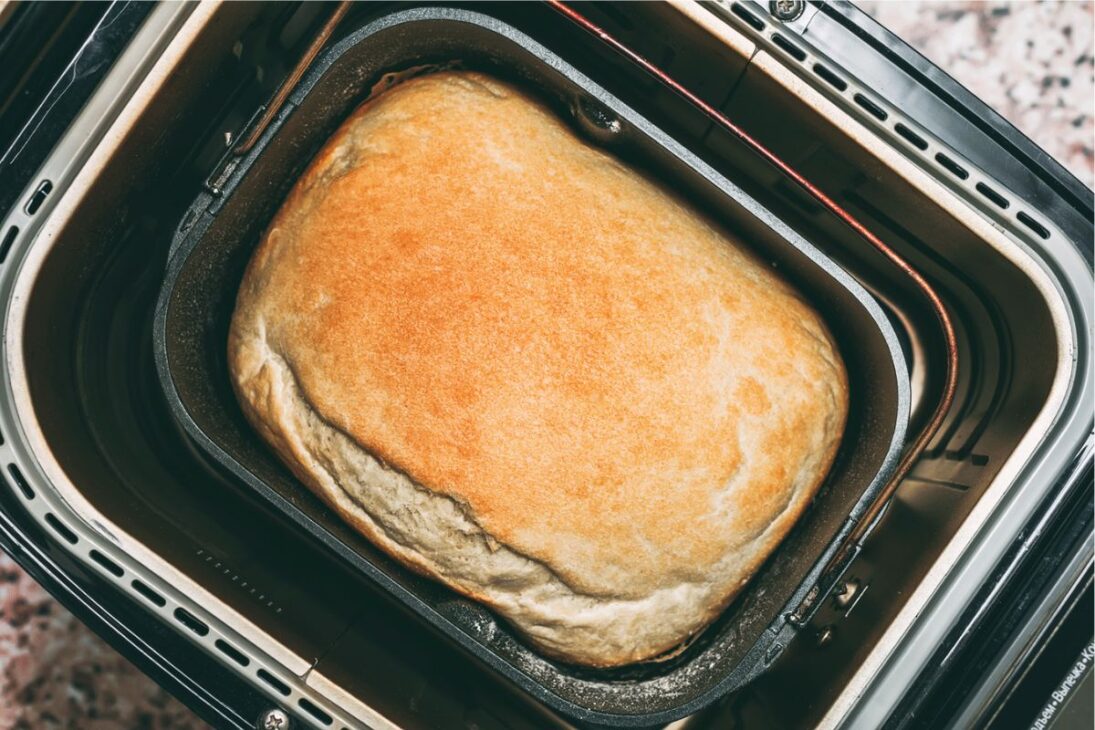
In the fast-paced routine of Brazilian families, finding time to prepare quality food can seem like a challenge. But imagine waking up to the aroma of fresh bread, ready first thing in the morning, without having to leave home. This is the promise of the home bread maker: an affordable device that does all the work for you — mixing ingredients, kneading, fermenting, and baking — adding real value to your quality of life.
Affordable Investment That Pays for Itself
An entry-level bread maker costs on average between R$ 360 and R$ 630 in Brazil. Models like the Cadence La Panina (~R$ 360) or the Mondial Master Bread NPF-53 (~R$ 600) include features such as a programmable timer (from 13 to 15 hours), crust settings, capacity from 900 g to 1 kg, and non-stick coating for easy cleaning. In just a few months, the invested amount is already amortized when compared to the daily cost of bread from the bakery — not to mention the extra health and taste benefits.


Simple Ingredients, Bakery Result
The preparation of a basic bread in the machine follows the traditional pattern: wheat flour, water — in a ratio of about 58% flour to 40% water, yeast (approximately 1% of the total weight), salt, and occasionally a bit of sugar and fat (oil or butter). In a 900 g cycle, for example, 6 tablespoons of oil, one egg, warm milk, dry yeast, and salt are used, according to a common recipe among users.
-
Swiss glaciers melting fast enough to fill an Olympic pool every 6 seconds, France confirms 3,700 heatwave deaths, and WMO predicts strong El Niño intensifying extremes until 2027

-
Sudden Sea Recession in São Paulo Sparks Tsunami Alert and Online Debate on Giant Wave Risks in Brazil

-
China Launches World’s First 307-Meter Floating Wind Platform to Supply Oil Rigs, Aiming to Cut 35,000 Tons of CO2 Annually
-
Japan Deploys Offshore Concrete Factory, Constructs Massive Caissons in 8 Days, Revolutionizing Port Construction with Industrial Efficiency


Moreover, many machines offer the option of whole grain, sweet, or quick breads — which broadens the range of possibilities effortlessly. Ingredients such as oats, flaxseed, or whole wheat flour can be easily incorporated, exemplifying the potential to create more nutritious breads, free from chemical additives and preservatives found in industrialized breads.
Time: From Preparation to Table in a Few Hours
From the moment you add the ingredients to the final result, the automatic process in the bread maker usually takes between three and four hours. The complete cycle — mixing, kneading, fermenting, and baking — takes about three hours, in addition to the initial time to add the ingredients correctly. There are variations: quick cycles can finish in as little as 2 hours for specific doughs.
In practice, this means preparing the ingredients at night, programming it to bake during the night, and waking up to warm and fragrant bread — without needing to knead by hand, monitor fermentation, or clean large surfaces. The time and practicality gained are significant, especially for families with tight schedules.
Health: From Industrial Bread to Homemade with Quality
Industrial breads (especially sliced bread) often contain chemical improvers, emulsifiers, and preservatives — such as calcium stearoyl-2-lactyl lactate, calcium propionate, among others. Additionally, their nutritional value is reduced, containing high levels of sodium and refined carbohydrates.
In contrast, homemade bread made in the bread maker uses pure ingredients — flour, water, salt, and yeast — giving the consumer total control over its composition. It is possible to opt for whole grain flours to increase fiber content, reduce glycemic index, and enhance the presence of B vitamins and minerals like magnesium and phosphorus.
The natural fermentation, made possible with sourdough or mother dough, goes further: it reduces phytates and gluten, promotes digestion, and prolongs the bread’s shelf life. Although some home models are more suited for biological yeasts, many families start using whole bread in the machine before exploring natural fermentation, as a consistent step toward healthier eating.
Well-Being in Every Slice
In addition to the material benefits — savings, practicality, and health — there is the emotional aspect. Making your own bread can be therapeutic. Putting your own effort into preparing food connects you to culinary traditions and promotes mental and emotional well-being.
For couples, small cooks, or even grandparents seeking independence, the home bread maker proves to be a functional tool. Suitable for people with physical limitations, it restores a type of autonomy that many may have lost by relying on others or on industrial products.
Simplified Cleaning and Efficient Use
The regular use of any appliance requires maintenance — and the bread maker performs well in this requirement. The removable bowls with non-stick coating facilitate cleaning, preventing dough and residue buildup. A simple wash with warm water and soap is enough — especially if done right after use, before residues settle and harden.
Overall Outlook: Cost-Benefit, Health, Time, and Well-Being
In summary, the bread maker represents a positive convergence between savings, practicality, real food, and well-being. With an affordable price (R$ 360–630), it eliminates the need for manual kneading, dirtying utensils, and consuming breads full of additives. The preparation time — about 3 to 4 hours — is well utilized, as it occurs automatically. The result is healthy, nutritious, and fresh bread.
Furthermore, those who start with simple breads can evolve to whole grain versions or even experiment with natural fermentation, expanding culinary and nutritional horizons. Valuing the ritual of waking up to the aroma of warm bread can transform the home routine, bringing indulgence and care — without compromising health or budget.





O grande problema dessas máquinas panificadoras é que todas possuem uma correia que aciona do mecanismo de mistura da massa, que com o calor da assadura se deteriora rapidamente e precisa ser substituída periodicamente. O correto seria uma corrente.