Portuguese
  Spanish


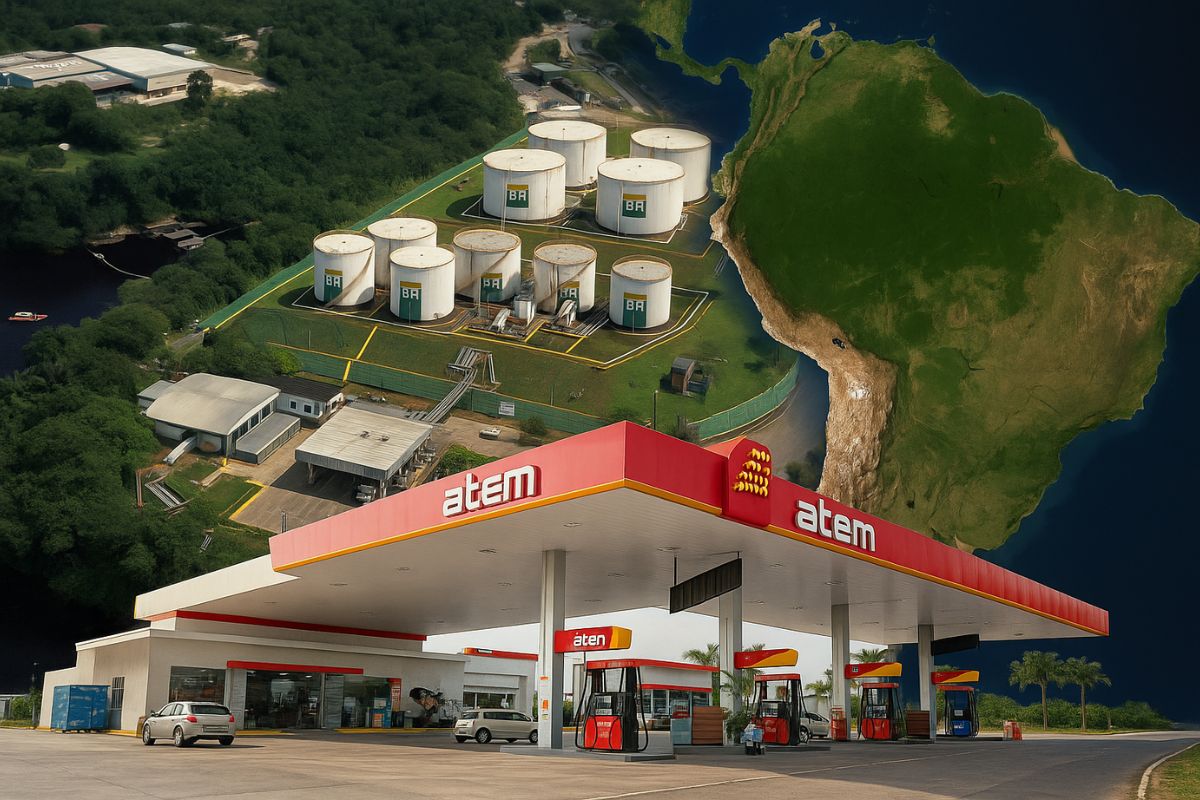


The Conclusion of the Sale of the Amazon Refinery for US$ 257.2 Million to the Atem Group Met the Target of Petrobras, but Generated a Private Monopoly, a Decline in Production, and More Expensive Fuels for the Population.
The recent history of the Amazon Refinery (REAM), in Manaus, reflects the complex results of Petrobras’ divestment program. The sale of the only refinery in the Northern Region, completed at the end of 2022, was presented as a step towards creating a more competitive market. However, the practical result was different.
While Petrobras netted US$ 257.2 million and fulfilled an agreement with the government, the transaction gave rise to a private monopoly that, according to experts, resulted in a drastic decline in production and a significant increase in fuel prices for millions of Brazilians living in the Amazon.
The Beginning of the Sale: The Agreement with CADE that Forced Petrobras to Divest Refineries
The privatization of the Amazon Refinery was not an isolated decision. It was a direct consequence of an agreement signed by Petrobras with the Administrative Council for Economic Defense (CADE) in June 2019.
-
Drone Reveals Abandoned 55-Story Luxury Residential Tower in Northeastern Brazil Since 2017

-
Farewell to Toilet Paper? New Technology Sparks Debate on Bathroom Habits

-
Young Entrepreneur Who Started Recycling Bottles at Age 3 Becomes Environmental Icon in the U.S.

-
Nivea Blue Tin Cream: Popular Post-Beach and Pool, But Pharmacist Warns About Missing Ingredients and Common Summer Mistakes Regarding UVA and UVB Protection.




To close an investigation into market abuse, the state-owned company committed to sell eight of its refineries. The goal was to break Petrobras’ monopoly in the refining sector and, in theory, foster competition and benefit consumers with lower prices.
A Deal of US$ 257.2 Million with the Amazon Refinery
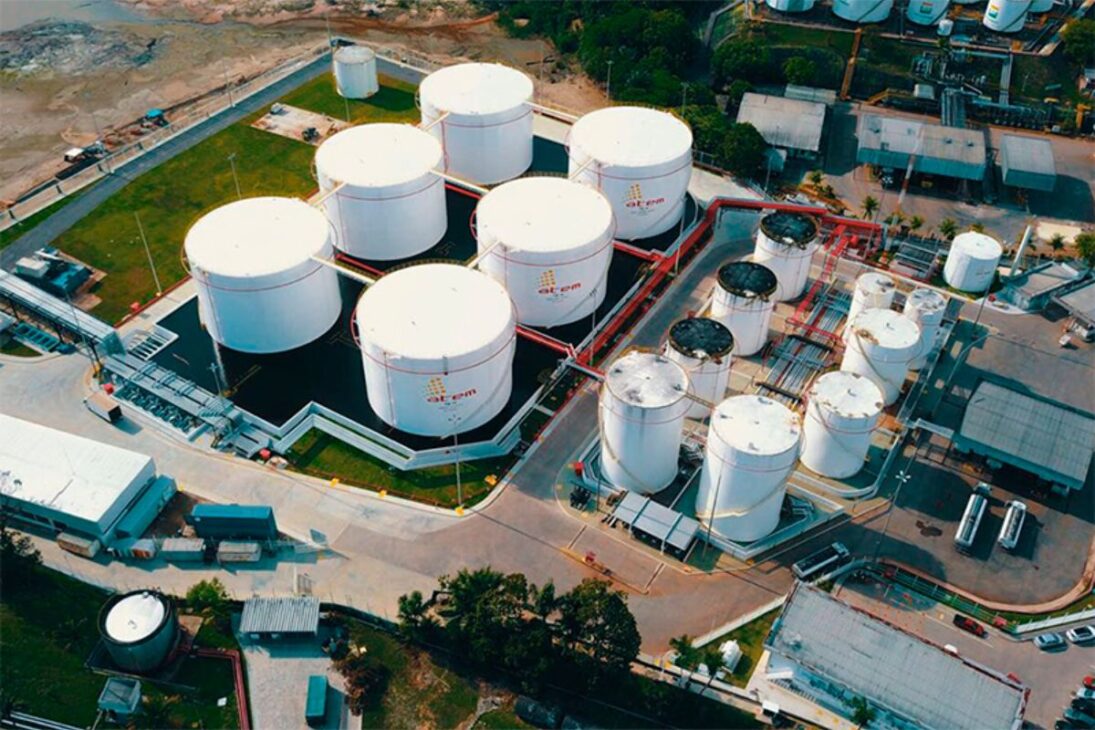
After a long process, in August 2021, Petrobras signed the sale contract for the Amazon Refinery with the Atem Group, one of the largest and most established fuel distributors in the Northern Region. The deal was a strategic step for vertical integration for the group.
The transaction was officially concluded on November 30, 2022. The final amount paid by the Atem Group, after contractual adjustments, was US$ 257.2 million. The package included not only the refinery, with a capacity to process 46,000 barrels per day, but also its logistical assets, such as the port terminal in Manaus.
The Contentious Approval: The Division in CADE and the Creation of “Remedies”
The approval process for the sale in CADE was controversial and revealed a deep internal division. Initially, the technical area of the agency approved the deal without restrictions. However, the decision was contested and taken to CADE’s court.
In August 2022, the sale was finally approved, but by a narrow majority and with the imposition of conditions. CADE required Atem to sign an agreement with a series of “remedies” to mitigate the risk of monopoly. The main condition was to ensure access for other distributors to its port terminal, the main logistical bottleneck in the region.
The “Refinery That Does Not Refine”: The Decline in Production and the Rise in Prices After the Sale
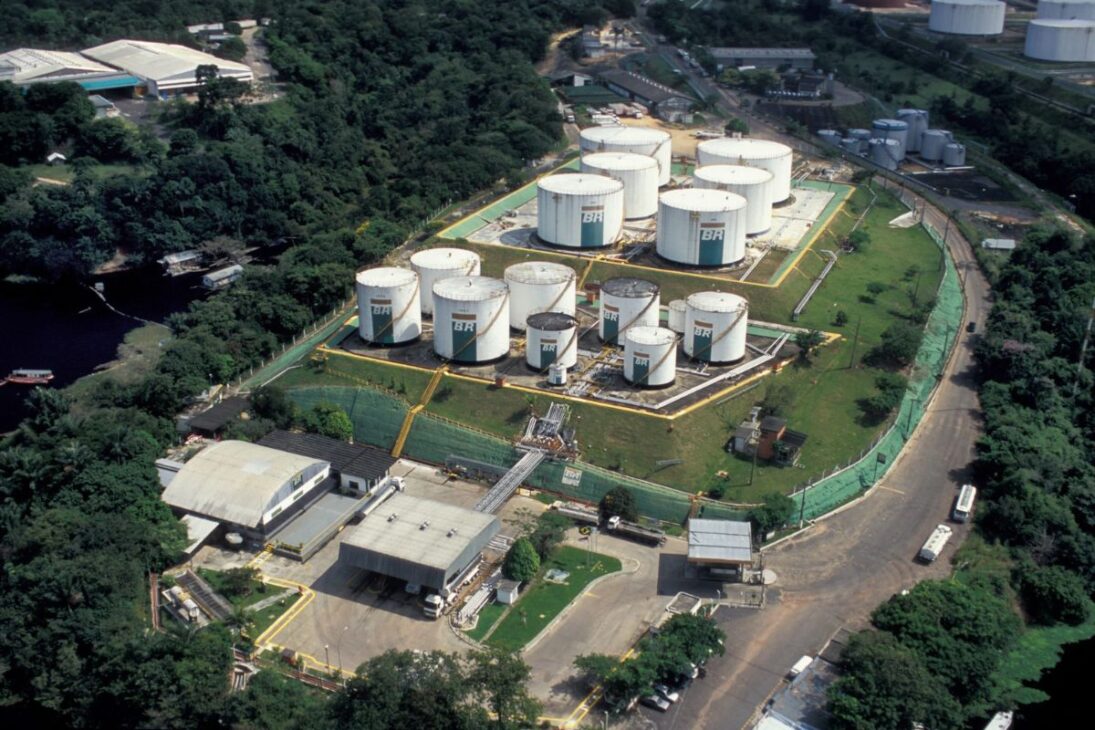
The main criticism from unions was that the sale of the Amazon Refinery would create a private monopoly, with negative consequences for the population. Post-sale data seem to confirm this forecast.
One of the most serious allegations is that the refinery drastically reduced its production to focus on fuel imports. Data from ANP indicate a 62% decrease in refining capacity utilization between 2022 and 2023. In 2024, the refinery reportedly operated at only 20% of its capacity.
The most noticeable impact felt by consumers was on their wallets. Studies from the Social Observatory of Oil showed that after privatization, fuel prices in the Northern Region surged. Gasoline was, on average, 6.7% more expensive than that sold by Petrobras in other regions, and cooking gas (GLP) cost up to 41% more.
State or Private Monopoly, Who Lost is the Consumer
The story of the sale of the Amazon Refinery is a classic case of an operation with opposite results for each party. For Petrobras, it was a success: the asset was sold, the divestment target was met, and cash flow was strengthened.
However, for the Northern Region, the result was the exchange of a state monopoly for a private one, without the benefits of competition. The decline in production and the rise in prices indicate that, ultimately, the one who paid the price for the restructuring of the sector was the end consumer.