






 Portuguese
  Spanish
  3 min of reading
  201 comments


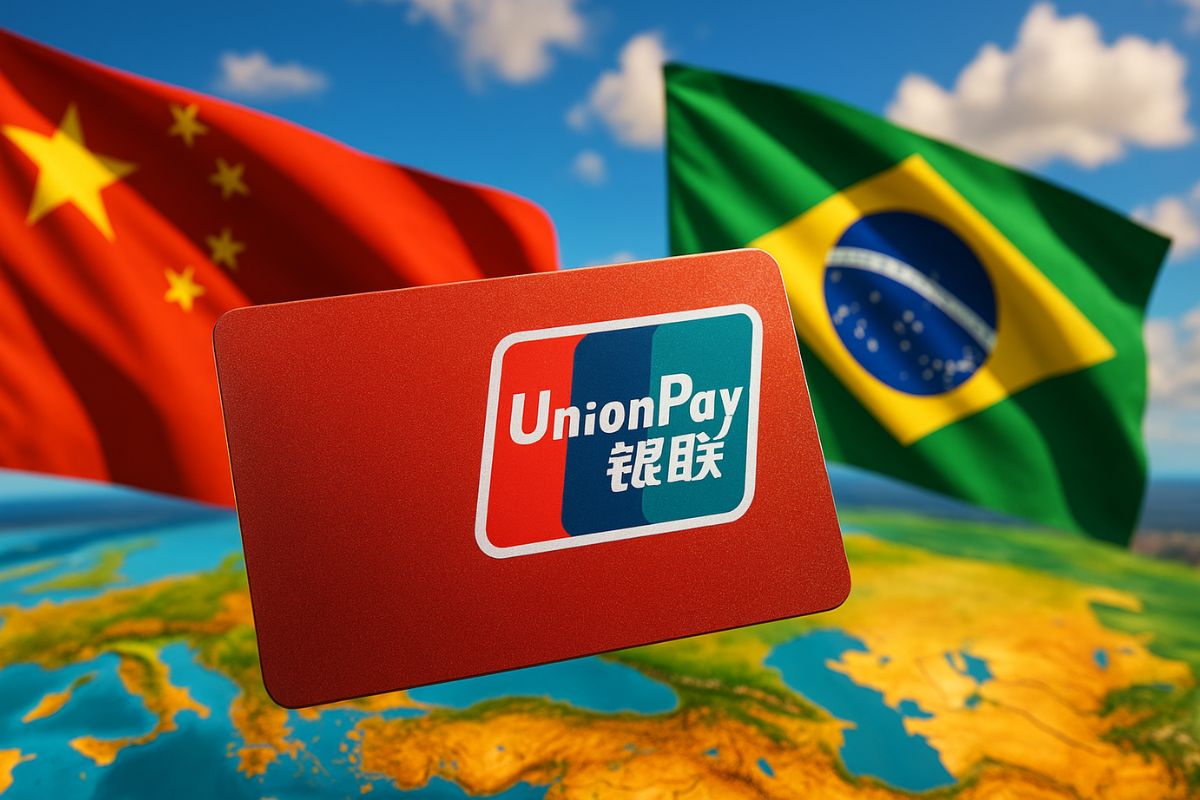


State Flag Is Already Accepted at Tourist Spots and Awaits Authorization for Card Issuance in the Country
The UnionPay is a payment card brand founded in 2002 by the Chinese government, with a global presence in more than 180 countries. In recent years, the brand has begun to gain ground in Brazil, especially in establishments that cater to foreign tourists. According to a report from Estadão, the company is preparing to operate more broadly in the country, through a partnership with the Brazilian fintech LEFT, responsible for issuing and integrating with the national financial system.
Today, international UnionPay cards are already accepted in commercial networks in cities like Rio de Janeiro, São Paulo, Foz do Iguaçu, Manaus, and Salvador. The brand also supports withdrawals and inquiries at Banco Itaú ATMs and in the Saque e Pague network, in addition to being processed by terminals of acquirers Rede and Stone.
Current Presence and Next Steps in Brazil
According to information released by the GGN website, LEFT will be the partner responsible for facilitating the formal entry of UnionPay into the Brazilian market. This includes not only acceptance but also card issuance in the country. Despite the announcement, neither the fintech nor UnionPay responded to requests for official confirmation.
-
Brazilian Joins Homeownership Consortium, Faces Decade of Dual Payments Totaling $141,000, Surpassing Traditional Mortgage

-
Land Rover to Halt Production in July, Putting 371 Jobs at Risk, as Chinese Automaker Negotiates to Convert Factory to 100,000 Vehicles Annually by 2027

-
Mexican Pest Threatens U.S. Cattle Herds at Historic Lows, Potentially Boosting Brazilian Beef Exports as Burger Prices Soar

-
Brazilian Freight Bill Progresses in Congress with $5,000 Minimum Wage, 70% Advance Payment, and Fines Up to $1 Million, as Agriculture and Industry Warn of Rising Costs and Legal Uncertainty


To start issuing cards in Brazil, the brand needs to obtain authorization from the Central Bank, which requires compliance with security, transparency, and regulatory standards applied to other brands like Visa and Mastercard. So far, UnionPay does not appear on the official list of companies authorized to operate issuances in the country.
Can China Control Brazilian Operations?
For analysts like Alexandre Chaia (Insper) and Myrian Lund (FGV), the risk of external control of transactions is nonexistent. This is because all companies in the sector must follow the same rules and report to the Central Bank, including the submission of documents, financial information, and electronic data.
Brazilian legislation requires that any card brand operating in the country have a legal representative within the national territory and submit to audits and inspections. Failure to meet these requirements will subject the company to sanctions.
Potential and Limitations of UnionPay in Brazil
Although it already has a broad international acceptance network, UnionPay is still little known among Brazilian consumers. The formal entry into the national market could increase competition in the payment sector and offer alternatives to merchants and customers, especially in operations with Asian tourists.
On the other hand, the issuance of cards for the local public will depend on authorization and regulation. Until then, usage will remain restricted to transactions with cards issued abroad.
What do you think, do you believe that the arrival of UnionPay may increase competition and benefit the Brazilian consumer? Or do you think that the entry of a new brand in the market will bring more challenges than advantages? Share your opinion in the comments.





Será que essa fintech recebe pix com segurança?
Mão na roda pra compras e recebimentos!
Aguardo ansiosamente a nova bandeira para migrar imediatamente.
Com certeza usaria, chega de ser escravo dos Cartões dos USA.