Portuguese
  Spanish


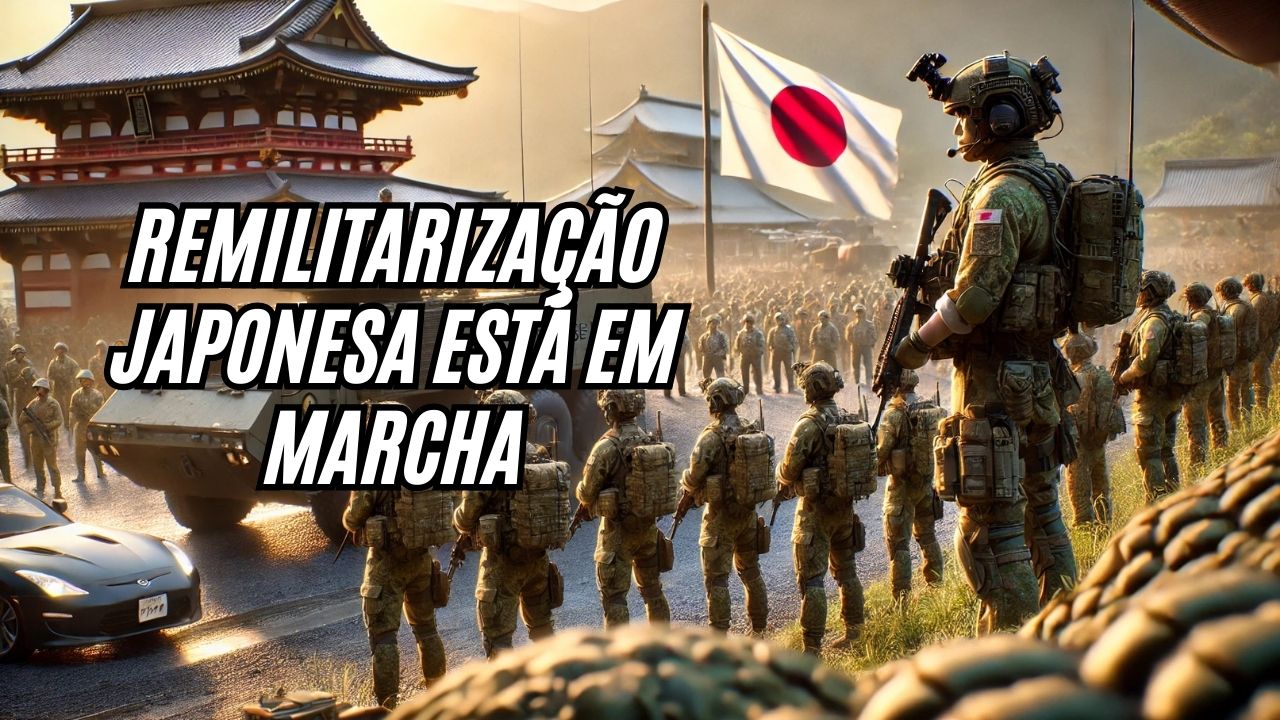

Japanese Remilitarization Is Underway and Not Just in Military Aspects. In a Surprising Move, the Japanese Government Is Adopting Innovative Measures to Overcome Recruitment Declines and Attract More Young People to Its Self-Defense Forces. With China’s Military Presence Increasing and Geopolitical Challenges Intensifying in the Asia-Pacific, Japan, a Strategic Ally of the United States, Is Seeking to Strengthen Its Defensive Position with Strategies That Go Beyond the Traditional.
Japan’s concerns about China have Grown Significantly in Recent Years, Given China’s Military Expansion and Frequent Violations of Japanese Airspace. The Possibility of a Conflict Involving Taiwan Keeps Japan in Constant Alert. North Korea Continues to Threaten with Missile Tests, Many Near Japanese Territory. This Challenging Scenario Has Prompted the Government to Reform Its Self-Defense Forces, Including Increasing the Military Budget to 2% of GDP by 2027, a Historic Value for the Country. However, Japanese Remilitarization Faces an Internal Obstacle: Population Decline and Low Attractiveness of Military Careers.
Recruitment Challenges and Modernization of Forces in Japan
Japan Is Facing a Demographic Crisis with a Falling Birth Rate and an Aging Population, Limiting the Number of Young People Eligible for Military Service. In March 2024, Recruitment Was Only Half of the Target, with Approximately 10,000 New Soldiers, an Insufficient Rate to Meet Increasing Defense Demands.
Moreover, the Stigma Against Militarism, Strong Since the Post-War Period, Makes Japanese Society Disinterested in Military Careers. Many Young People Prefer the Private Sector, Which Offers Higher Salaries and Better Benefits.
-
U.S. Women’s History Museum Stalled in Congress Amid Gender Identity and Diversity Debate

-
European Parliament Approves Digital Euro, Aiming to Challenge Visa and Mastercard’s Dominance and Transform Payments Across Europe by 2029
-
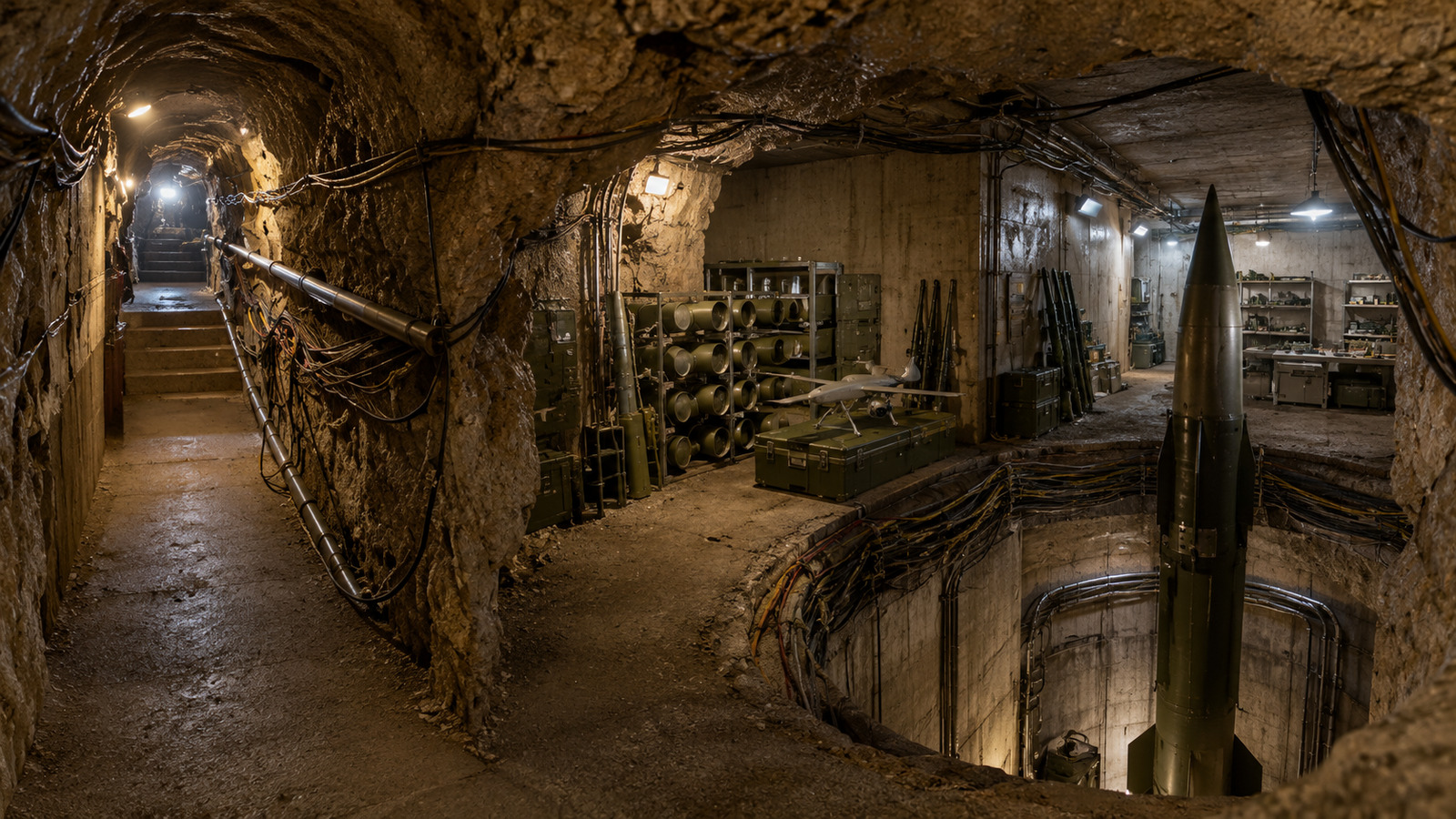
Israel finds Hezbollah militarized tunnel over 200 meters long under village, with 4 missile launch shafts, 12 chambers, anti-tank missiles, drones, and weapons depots at a depth of 25 meters.

-
Ukraine launches largest drone attack on Moscow since 2022, Russia claims to have intercepted nearly 200 aircraft near the capital, Kapotnya refinery targeted again, and offensive reignites alert about war reaching the Russian energy heart just a few kilometers from the Kremlin.



To Overcome These Challenges, the Japanese Ministry of Defense Has Implemented Structural Improvements in Military Bases. Capsule-Style Rooms, More Privacy, and High-Speed WiFi Are Now Available, Meeting the Expectations of Young Japanese Accustomed to Constant Connectivity. An Unusual Detail Has Gained Attention: the Government Has Increased the Quality and Size of Steaks Served in Soldiers’ Meals, Transforming Food into an Unexpected Attraction. More Comfortable Dormitories, Renovated Bathrooms, and Better-Structured Showers Are Also Offered as Incentives.
Technology and Female Inclusion as Strategic Solutions
Faced with Recruitment Difficulties, Japan Is Also Heavily Investing in Technology. With a Budget of 18 Billion Yen Allocated for Automation, the Government Plans to Implement Artificial Intelligence Systems for Base Monitoring and Patrol Operations.
Next-Generation Drones and Highly Automated Ships, with Half the Crew Required on Conventional Vessels, Are Being Developed to Maintain Naval Presence with Lower Dependence on Human Resources. This Technological Advancement Is an Essential Part of Japanese Remilitarization, Seeking Effective Solutions for Personnel Shortages in a Challenging Demographic Context.
Japan Sees Female Inclusion as a Way to Strengthen Its Self-Defense Forces. The Government Allocated 16.4 Billion Yen to Build Accommodations and Bathrooms Specifically for Women, as Well as Hire Counselors to Address Harassment Cases and Create a Safer Environment. Currently, Women Make Up Less Than 10% of the Force, but New Measures Aim to Change This Reality, Making Military Careers More Attractive and Accessible to All.
The Controversy of Socioeconomic Targets and Military Expansion in the Asia-Pacific


Japanese Remilitarization Is Not Limited to Structural Improvements; the Government Is Also Adopting a Recruitment Approach Targeting Low-Income Areas. In Cities Like Sapporo, Young People from Financially Limited Families Are the Target of Recruitment Campaigns Aimed at Attracting a Pool Willing to Enlist. While These Strategies Are Justified by the Urgency to Strengthen the Force, Critics Accuse the Government of Exploiting Socioeconomic Inequalities to Meet National Defense Goals.
This New Phase of Expansion and Strengthening of Japan’s Self-Defense Forces Raises Questions About the Long-Term Impact of This Strategy, Especially in a Region of Growing Tensions with China. The Combination of Financial Incentives, Cutting-Edge Technologies, and Inclusive Measures Reflects a Comprehensive Attempt to Adapt, Aligning Military Forces with the Social and Demographic Realities of the Country.
As Japan Moves Toward an Era of Greater Military Involvement, Japanese Remilitarization Represents Not Only a Response to External Threats but Also an Effort to Redefine the Perception of Military Service in the Country, Making It a More Attractive Option in a Context of Geopolitical and Internal Challenges. It Remains to Be Seen Whether These Changes Will Be Sufficient to Ensure a Robust and Effective Defense Force in an Increasingly Complex Asian Landscape.