






 Portuguese
  Spanish
  2 min of reading
  0 comments


Hyundai Pioneering Project Turns Industrial Waste Into Agricultural Fertilizer, Reducing Environmental Impact and Production Costs
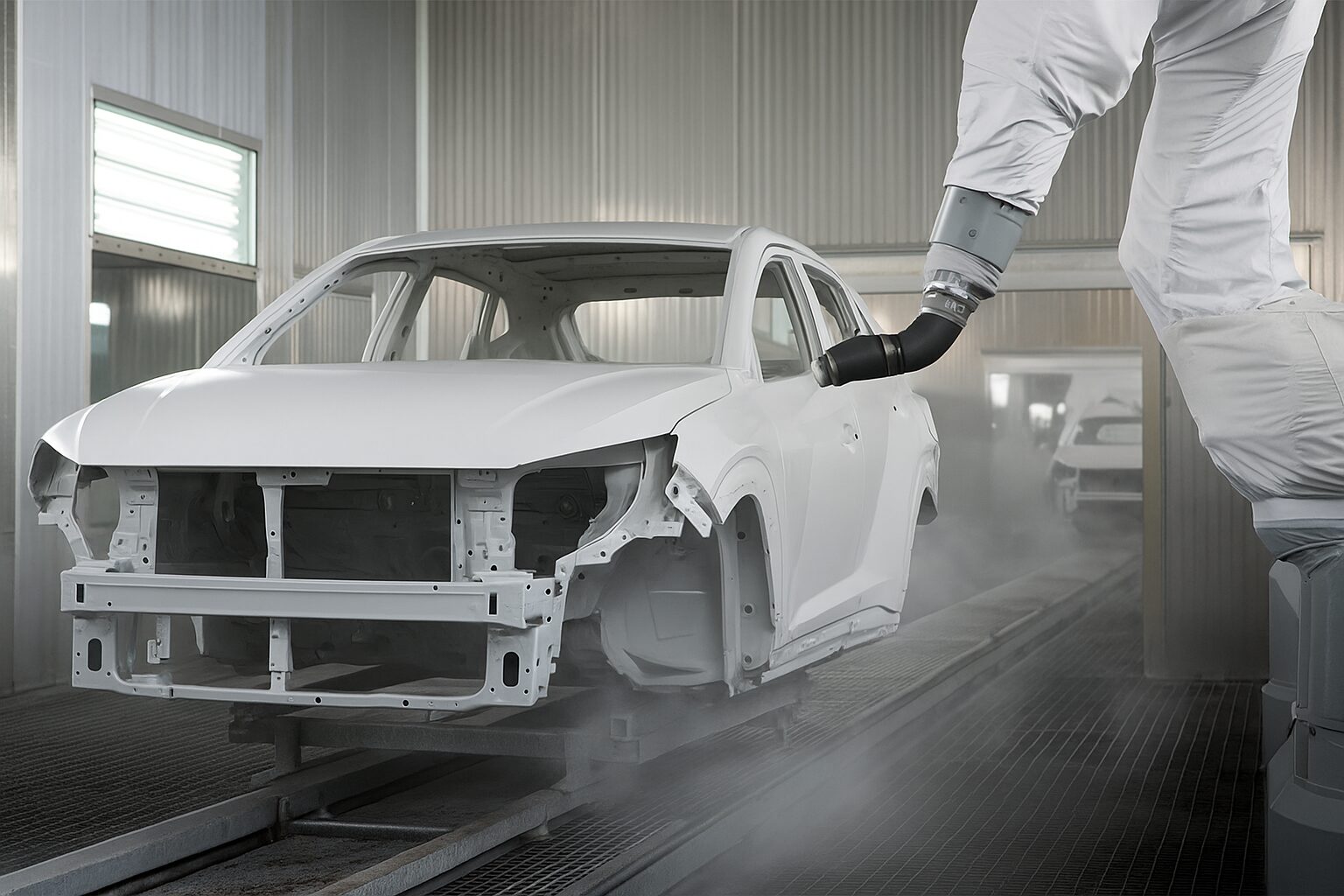
A type of waste that until recently was treated as an environmental liability without a solution is about to gain a new destination. Hyundai Brazil, in partnership with the company Antares, has initiated an unprecedented project in the country to repurpose the phosphate sludge generated in the automotive painting process.
The phosphate sludge is a result of the phosphating of metal surfaces, a stage used to improve paint adhesion and protect the vehicle from corrosion.
This material, which previously had no viable reuse, can now be transformed into agricultural input. According to the automaker, the new process will allow for the production of at least 270 tons of fertilizers per year.
-
US$ 7 billion, green hydrogen, and steel with up to 95% less CO₂: the first green steel plant on the planet emerges in Sweden and targets Brazil as the next chapter

-
Swedes manage to create synthetic fuel with CO₂, water, and renewable energy, compatible with current engines, but face a huge problem: the energy expenditure is still double the return.
-
Brazil begins to transform wheat, residues, sweet potatoes, and soy molasses into ethanol, in a new phase of biofuels that seeks to utilize leftovers from the field and industry to fuel flex-fuel cars.

-
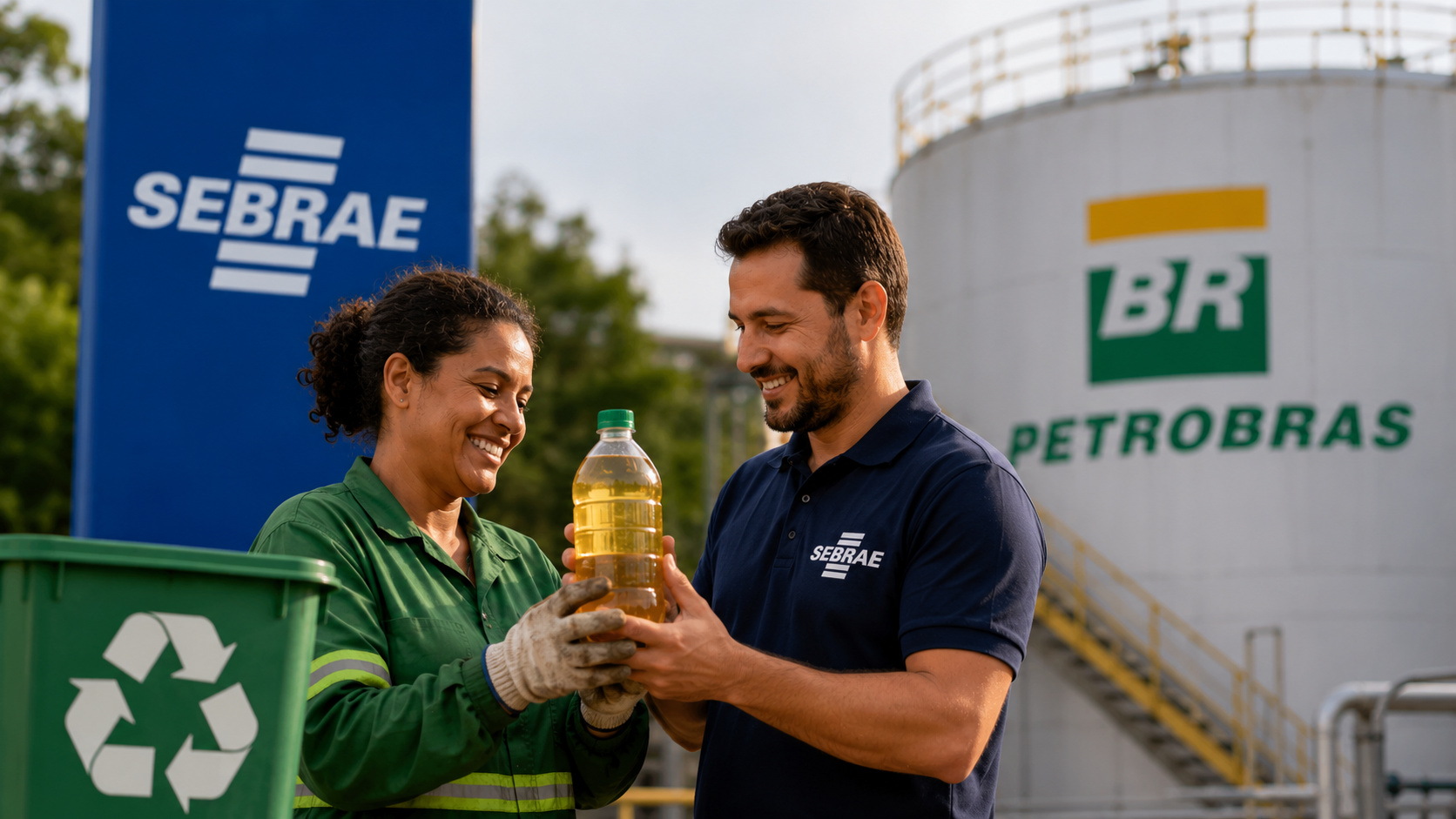
Sebrae and Petrobras join forces in Ceará to include waste pickers in the circular economy and strengthen the biofuel chain, creating new income opportunities and expanding the sustainable use of waste with a direct impact on regional development.

The project was developed alongside Antares, a company specialized in recycling inputs. “We created a safe, efficient, and scalable process that allows for the recycling of the main elements present in the sludge, such as phosphorus and zinc, to be repurposed as agricultural input,” explained Ricardo Martins, vice president of Hyundai Motor Brazil.
The executive emphasizes that the solution reduces dependence on non-renewable sources, lowers the risk of soil and water contamination, and also significantly cuts greenhouse gas emissions associated with conventional fertilizer production.
In addition to the positive environmental impact, Hyundai also points to financial gains. Transforming the waste into fertilizer will lead to cost savings in industrial waste management. The entire process will be conducted with material collected from the company’s unit in Piracicaba, São Paulo state.
“This is a concrete example of how collaboration between companies generates positive large-scale impact,” concluded Martins.
This will be the first time Brazil uses phosphate sludge as industrial raw material.
With information from Money Report.






Be the first to react!