Portuguese
  Spanish


New research by Embrapa uses plant ingredients and 3D printing to reproduce marine foods with characteristics similar to traditional versions
An innovation developed by Embrapa Genetic Resources and Biotechnology in Brasília has attracted attention for combining science, technology, and sustainable food. After about 30 months of studies, researchers created vegan versions of salmon, caviar, and squid rings using 3D food printing and plant-based ingredients. The project aimed to reproduce the appearance, texture, taste, and nutritional composition of traditional marine products. This advancement was announced in May 2026 and reinforces the growth of Brazilian research focused on the development of alternative proteins.
Research combines 3D printing and plant ingredients
The development of the prototypes took place at the Embrapa Nanobiotechnology Laboratory, known as LNANO, in Brasília. The researchers used food inks made with plant proteins, legume flours, vegetable oils, algae oils, nano-ingredients, natural colorants, and thickeners. This combination ensured the necessary consistency for the foods to be shaped by 3D printers. According to researcher Cínthia Caetano Bonatto, a large part of the ingredients used already appears in foods consumed daily, but the difference lies in the technological formulation applied to the process.
Embrapa’s genetic bank contributed to the development
The research also had support from the Embrapa Active Germplasm Banks, which gather genetic materials from plants, animals, and microorganisms. These collections helped researchers select plant ingredients with the potential to offer characteristics similar to the original foods. Researcher Luciano Paulino da Silva, coordinator of the food printing projects, explained that the goal was to develop plant products with a composition similar to animal-based products. Biotechnologist Gabriela Mendes da Rocha Vaz also highlighted that the technology allows enriching printed foods with specific nutrients.
-
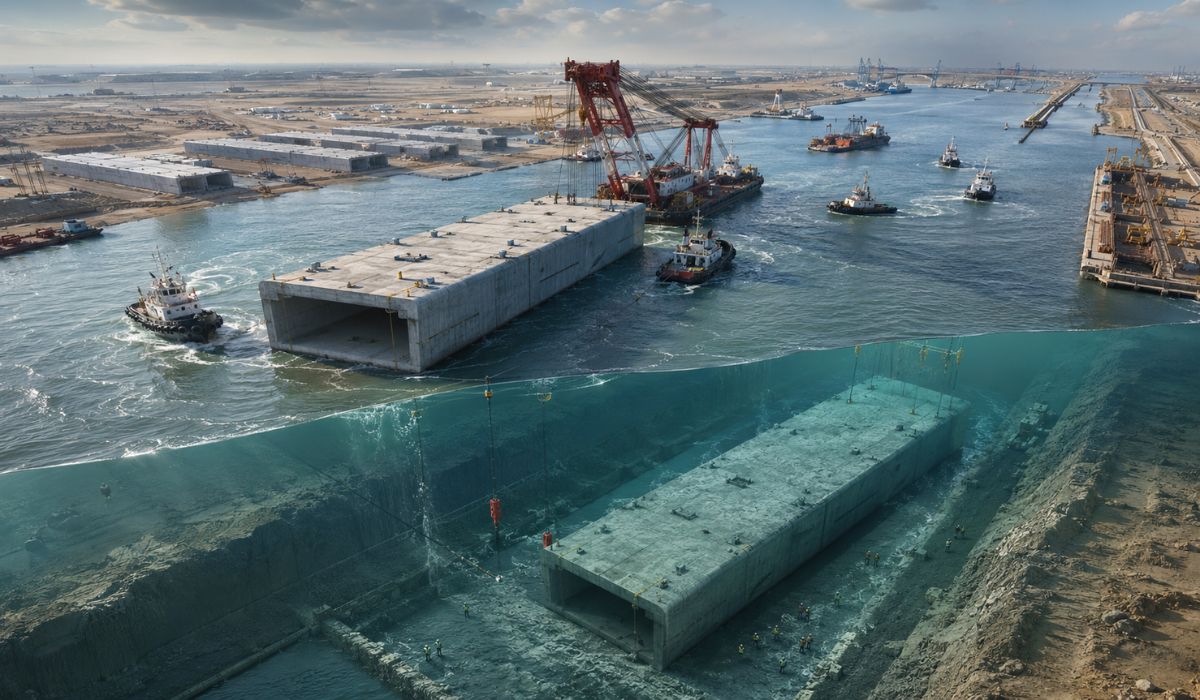
Iraq floats and sinks under an arm of the Euphrates 10 giant concrete boxes of 46,000 tons and 125 meters each to assemble a 2.4 km submerged tunnel and open a new land route between Asia and Europe.

-
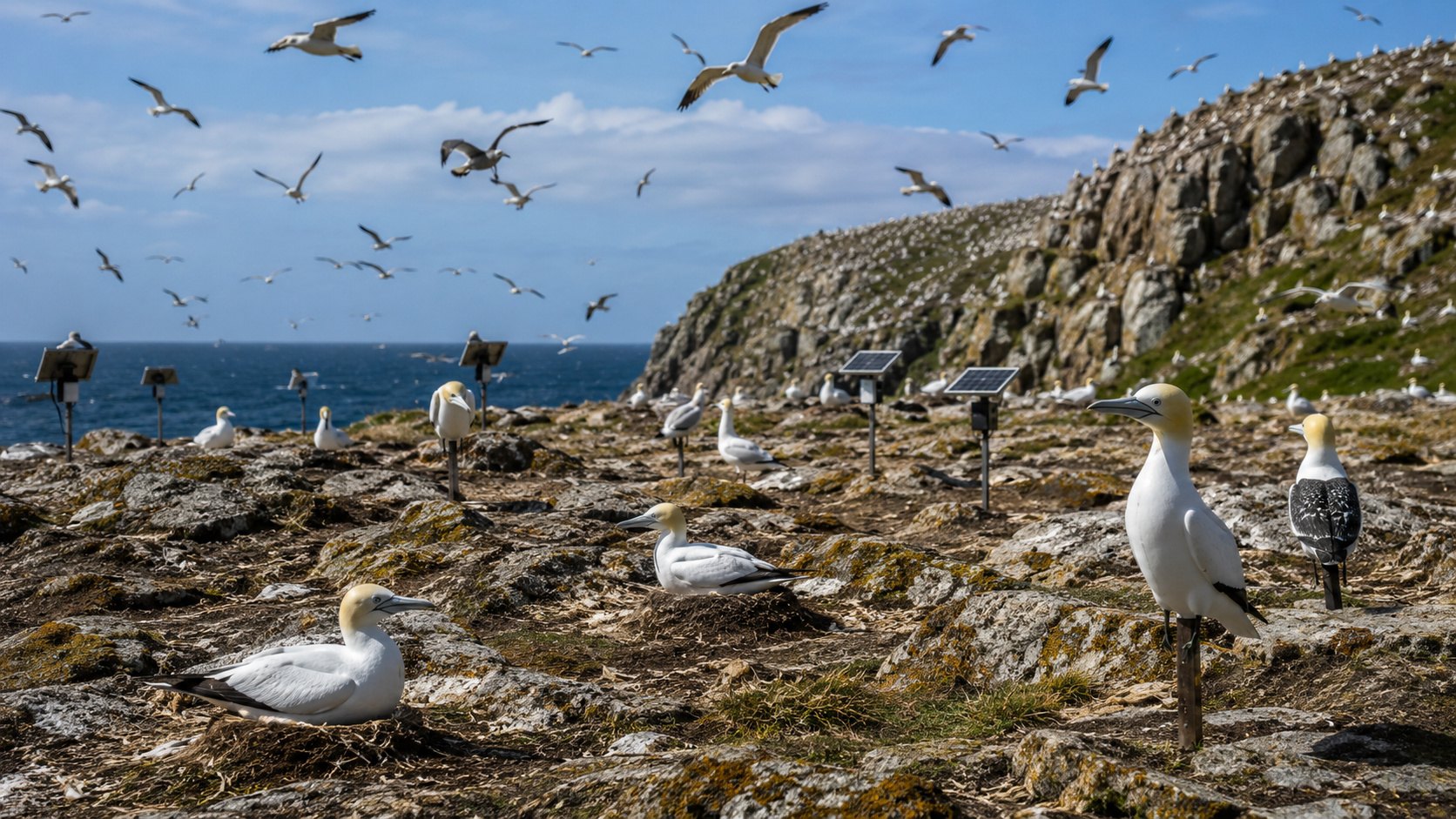
Scientists use more than 20,000 artificial birds and solar speakers to “trick” seabirds, reactivate nesting routes, and revive a colony on an island that seemed abandoned.

-
She spent 73 years breathing inside an iron lung, survived the aftereffects of polio, and became the last woman in the United States dependent on the equipment before dying at 78 years old.
-
Brazilian students created a $1 filter using pine bark, cotton, and 3D-printed parts to clean cassava wastewater, reduce the toxicity of a hazardous waste, and transform contaminated water into biofertilizer.


Prototypes have already undergone consumer testing
The products developed by the team have already undergone taste tests after authorization from committees responsible for the ethical evaluation of the research. Despite the advances, the foods have not yet reached the market and remain in the technological demonstration phase. According to the researchers, there is still no forecast for commercial launch. The production model is also under evaluation, as the products could be made in restaurants, industries, or even by home printers in the future.

Technology expands possibilities for the food sector
The project received funding from the Good Food Institute, an international organization that supports research related to alternative proteins, fermentation, and cultivated meat. Countries like Australia, the United States, Israel, and Singapore already have commercial experiences involving foods produced by 3D printing. In Brazil, similar studies are also conducted by the Universidade Estadual Paulista (Unesp) in partnership with Harvard University and the Singapore University of Technology and Design. This movement shows how technology can expand food alternatives and open new paths for the sector.
The advancement of 3D printing in food production
The research conducted by Embrapa demonstrates how 3D printing is gaining ground in the food industry. The combination of plant ingredients and specific formulations allows for the creation of products with characteristics increasingly close to traditional versions. The development of vegan salmon, vegan caviar, and vegan squid rings becomes part of a set of initiatives aimed at creating new consumption alternatives. This technology can also cater to audiences with dietary restrictions and consumers seeking options without animal-derived ingredients.
What to expect from printed foods in the coming years?
Researchers continue to evaluate the potential of 3D food printing and its future applications. The possibility of producing personalized items, nutritionally enriched and made with plant ingredients, is generating increasing interest in the scientific sector. While tests advance, Embrapa maintains the prototypes as a technological showcase, with no forecast for market arrival.
Do you believe that foods like vegan salmon, caviar, and squid rings could become common in meals for future generations?