






 Portuguese
  Spanish
  2 min of reading


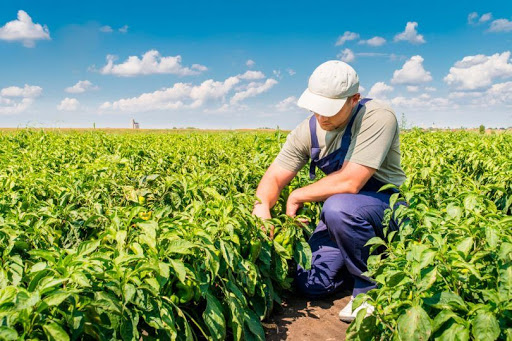
Study Released by the Center for Advanced Studies in Applied Economics Details the Numerous Job Opportunities Generated by Agribusiness Throughout Brazil
The Center for Advanced Research in Applied Economics – (Cepea / Esalq / USP) shows the performance of agribusiness in creating new job opportunities, with a 1.3% increase in the third quarter of 2020 compared to the previous quarter. The sector’s share in hiring reaches 20%.
Check Out Other News of the Day:
- Risk of Blackout? Water Index Reaching Reservoirs of Plants in the Southeast, Midwest, and South Regions is the Worst in 90 Years
- Petrobras Overcomes the Oil Crisis Caused by the Coronavirus and Closes 2020 with a New Production Record, Reaching 2.28 Million Barrels per Day
- Petrobras Announces Million-Dollar Divestment in the Northeast; State-Owned Company Sells 3 Wind Farms to Grupo Vinci
- Maritime and Offshore Group Wilson Sons Begins Recruitment and Selection for Mariners
The survey indicates an increase of 217,000 people, bringing the total number of people employed in this sector to 16.94 million. In the same comparison, the number of employees in Brazil is moving in the opposite direction, showing a decrease of 1.06%, which equals over 883,000 people.
Researchers highlighted in this survey that the agribusiness labor market is recovering after the most critical period of the pandemic. Thus, by the third quarter of 2020, the agribusiness share in the Brazilian labor market reached 20.55%.
-
For the first time in history, solar and wind energy generated more electricity than natural gas worldwide in a single month, April 2026, a milestone in the energy transition that shows renewable sources taking the lead in the global electric system.

-
Petrobras is expected to complete the drilling of the Morpho well in the Foz do Amazonas in August 2026, the first well in the Equatorial Margin, an oil frontier that the ANP estimates at more than 30 billion barrels and could redraw the map of Brazil.
-
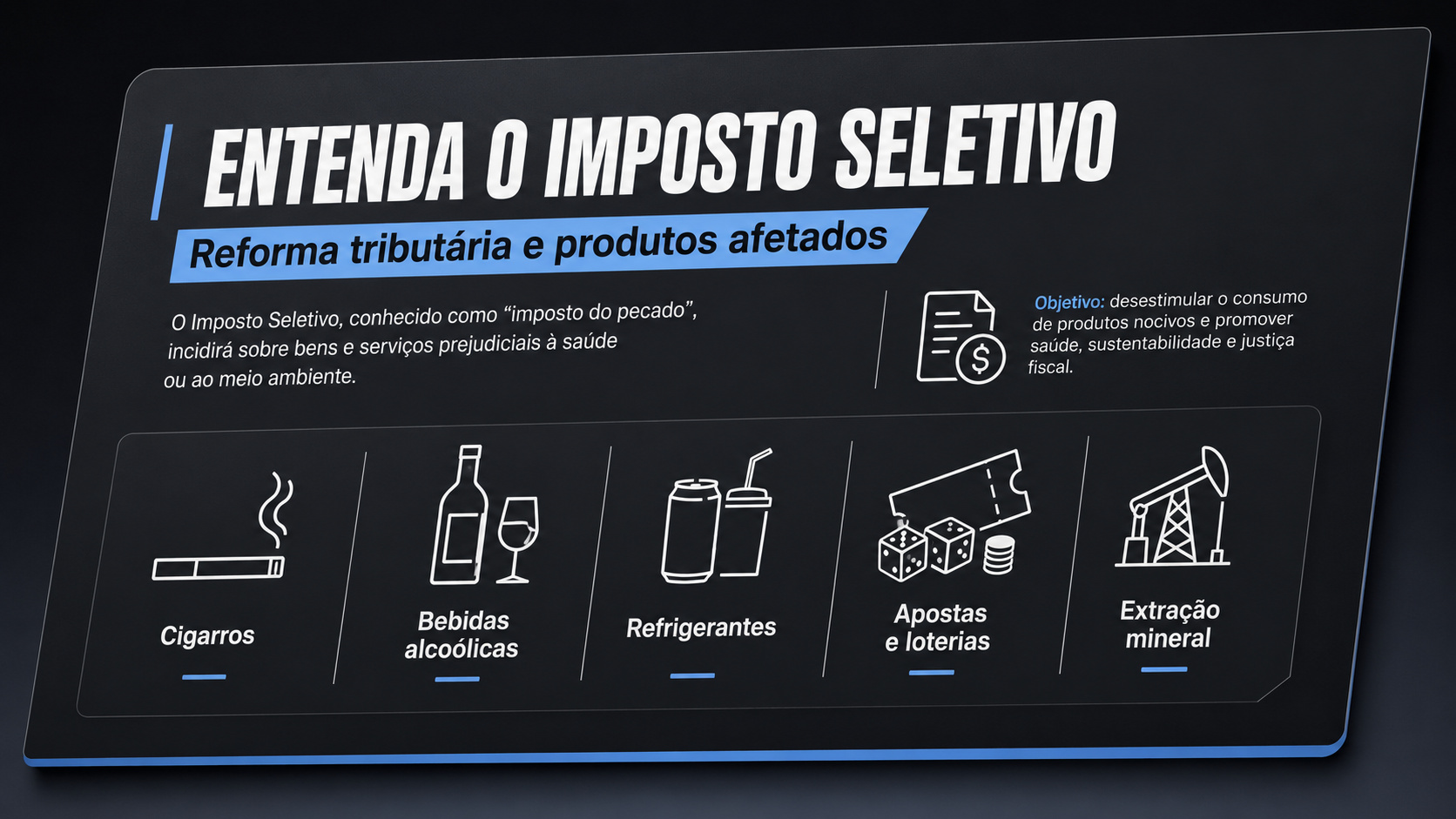
Government confirms sin tax for 2027 and explains why alcoholic beverages and cigarettes should not become more expensive right away, despite the new tax also covering soft drinks, polluting vehicles, mineral extraction, lotteries, betting, and fantasy sports games in a change that still depends on Congress.

-
Anvisa reveals flaws in supplements from IDNLABS and suspends 11 batches that include creatine, BCAA, beta-alanine, and multivitamins; the measure affects products with quality, composition, and labeling issues, while consumers are advised to check the printed codes on the packaging.



In comparison to the third quarter of 2019, this represents a reduction of 7.58%, equivalent to 1.39 million people, the most significant drop in the comparison of third quarters since the beginning of the historical series of Cepea in 2012.
Agribusiness – Sector Reached US$ 1 Trillion in Exports Over the Decade
The Ministry of Economy presented data showing that over the past ten years, the agribusiness sector has become increasingly important, accounting for a large part of the economy. From 2011 to 2020, the export value of the sector is nearly 1 trillion dollars, and the sector’s trade balance is 800 billion dollars. Exports not only affect the income and investment capacity of producers but also the internal prices, which in many cases begin to reflect external values.







Be the first to react!