Portuguese
  Spanish


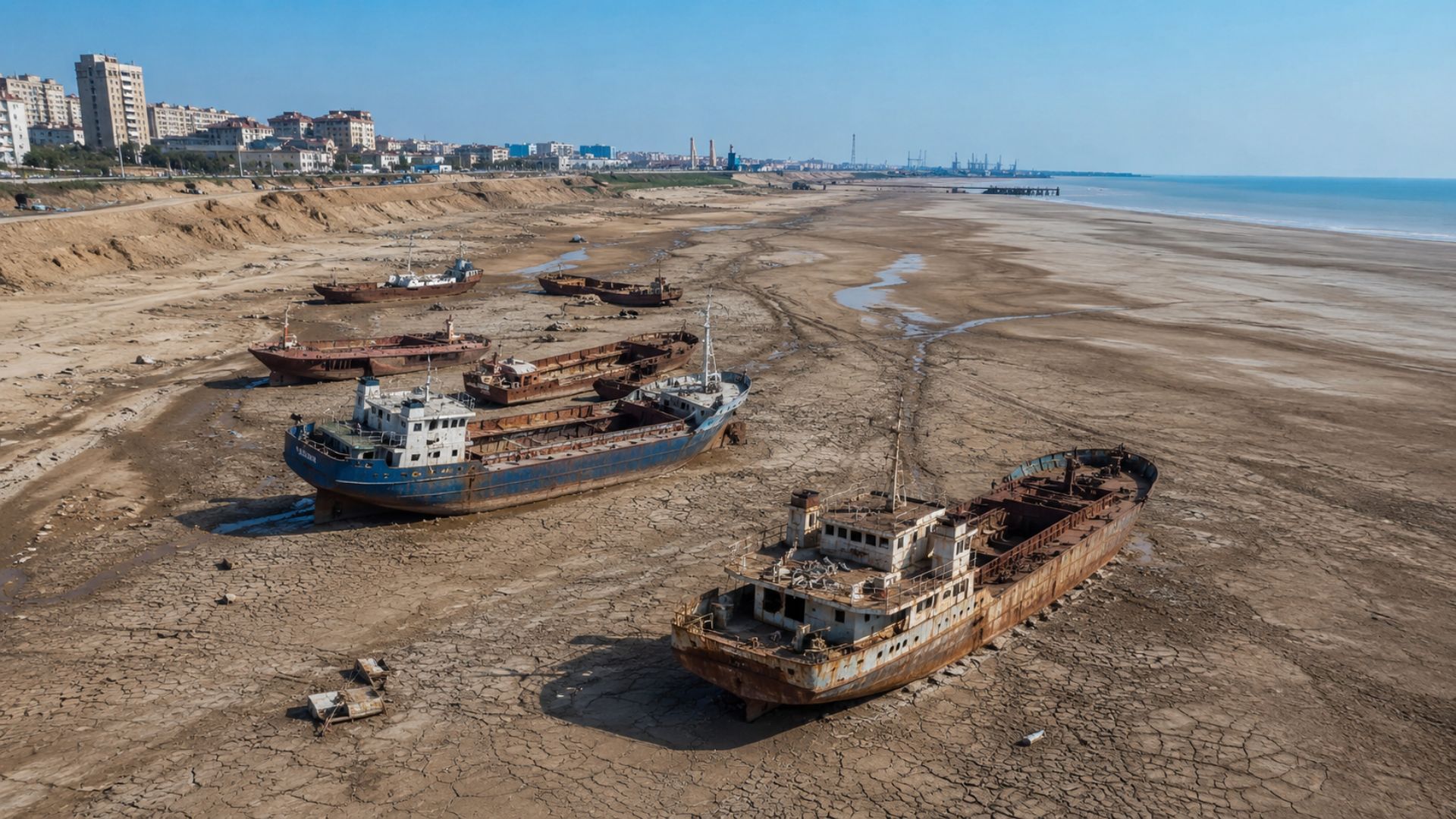


Largest enclosed body of water on the planet, the Caspian Sea has been receding since the 1990s, and the acceleration is alarming. Projections related to climate change suggest up to 21 meters less by 2100, with evaporation drying the basin, making fishing unviable, and port cities in Kazakhstan seeing the water disappear.
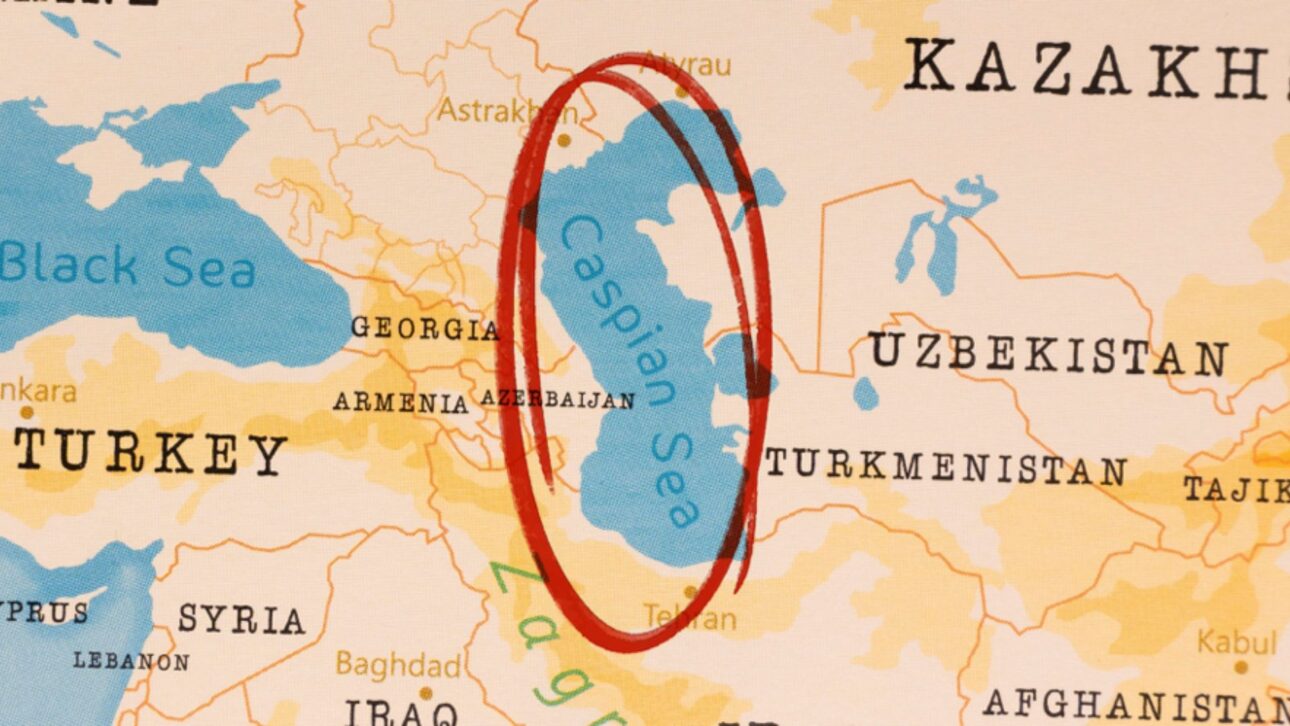
There is a sea so large that it borders five countries, including Kazakhstan, and hosts islands, oil platforms, and an entire fishing fleet, yet it is drying up before the eyes of those living on its shores. It is the Caspian Sea, technically the largest lake in the world, and the latest warnings, reinforced by a study published in 2025, show that the water retreat is no longer a distant threat, but a process already underway and increasingly rapid.
The numbers are alarming. Depending on the warming scenario, projections related to climate change indicate that the level could drop between a few meters and up to 21 meters by the end of this century. For a region that relies on the sea for fishing, navigation, and energy export, this means stranded ports, collapsing ecosystems, and coastal cities seeing the waterline retreat kilometers. The most unsettling part is that, according to scientists, there is no easy button to stop this process.
A sea that has been shrinking for decades
The shrinking of the Caspian Sea didn’t start yesterday. The water level has been dropping since the mid-1990s, but the pace accelerated worryingly from 2005, when the sea had already lost about one and a half meters of average depth. What was a slow oscillation turned into a clear downward trend, and the rate of desiccation increased to around six to seven centimeters per year.
-
Meet the charming parrot grandpa, who became known for hugging free birds and revealed how he gained their trust over the years.

-
After 18 years of development, Bridgestone launches the AirFree airless tire, which requires no inflation and is puncture-proof, into daily service in Japan, starting with autonomous vehicles up to 20 km/h, used for transporting elderly people.

-
Couple buys 1905 colonial house, plans to tear down walls to unite three rooms, but finds hidden service staircase and rethinks the entire renovation to preserve details that have survived for over a century.
-
Couple receives a quote of $50,000 to install a built-in refrigerator, decides to do the work themselves, spends $6,000, and claims to have saved over $100,000 by renovating the house.


This detail changes everything. A lake that drops a few centimeters per decade is one thing, but the largest lake in the world losing several centimeters every year is a completely different story. The northern part of the Caspian, shallower and largely located in Kazakhstan, is the most vulnerable, and scientific models indicate that this portion could disappear entirely over the century. On a human scale, it’s like watching an entire sea retreat within a single lifetime.
Why it is drying, the evaporation account
The central explanation is simpler than it seems, and at the same time more difficult to solve. The Caspian Sea is a closed body of water, with no natural connection to the ocean, so its level depends on a delicate balance between the water that enters, mainly from the Volga River and rainfall, and the water that exits, primarily through evaporation. When this balance becomes negative, the sea shrinks.
This is exactly what climate change is causing. With rising temperatures, evaporation in the basin increases faster than replenishment by rain and rivers, resulting in an increasingly unfavorable balance. It is not a leak that can be plugged nor a temporary drought that the next season will resolve. As long as the planet continues to warm, evaporation tends to prevail, and the world’s largest lake continues to lose volume stubbornly and continuously.
Up to 21 meters less, what the models project
The numbers vary according to the scenario, and it is important to understand this range. In more optimistic projections, with controlled emissions, the level drop is a matter of a few meters. In more severe warming scenarios, where climate change boosts evaporation, the models indicate an average reduction of around 14 meters, potentially reaching up to 21 meters by 2100. Even halfway, we are talking about a Caspian Sea that would lose about a quarter of its current area.
To visualize the damage, just look at the lower thresholds. A drop of just five to ten meters, well within what studies consider likely, would already be enough to disrupt entire ecosystems and render billions of dollars in infrastructure built along the shore obsolete. Unsurprisingly, the most grim projections show northern Kazakhstan almost dry, transforming what is now the seabed into an arid plain. The retreat stops being a statistic and becomes a landscape.
Ports turning into desert and energy at risk


It is on the coast that the problem takes shape. In the port city of Aktau, Kazakhstan, the water has receded quickly, and ships face increasing difficulty docking where there was once plenty of depth. When a port loses its draft, fishing dwindles, transportation becomes more expensive, and communities that depend on the sea are left without ground, or rather, without water. It is estimated that about 15 million people live along the shores of the Caspian, and many feel the retreat in their daily lives.
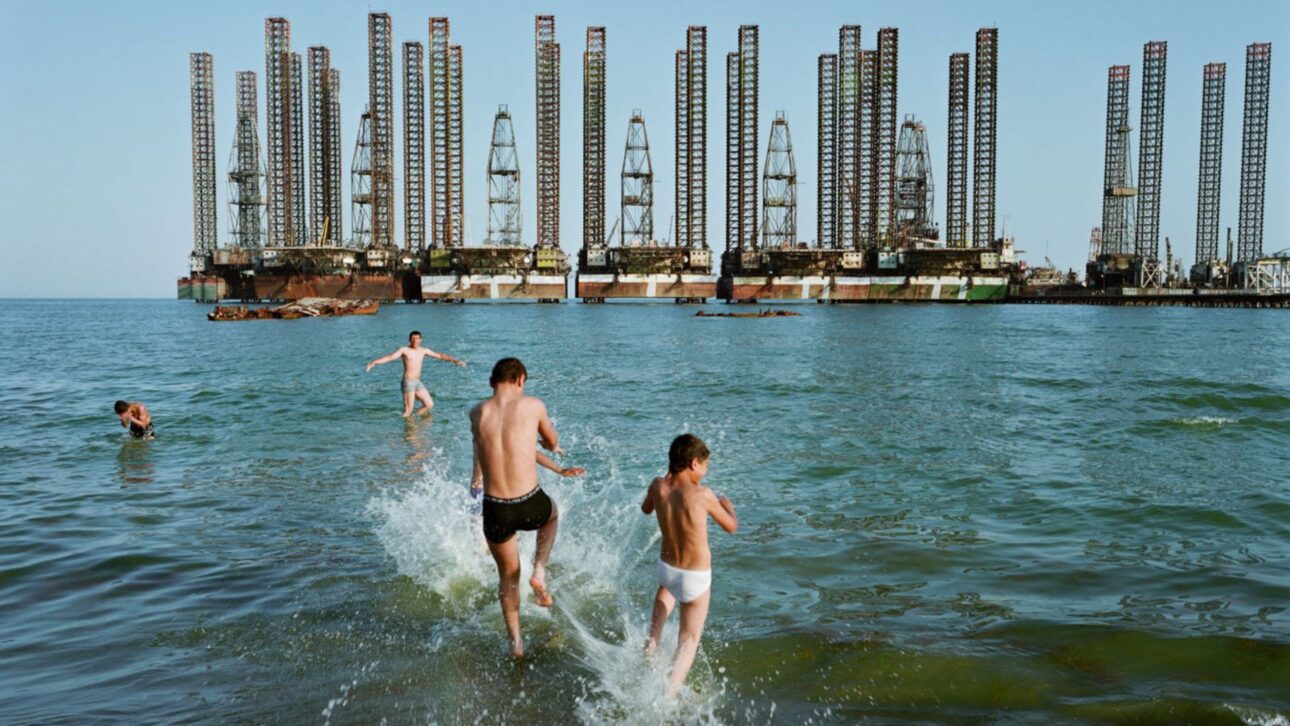
The impact goes beyond fishing, and here comes a point of interest to the energy sector. The Caspian Sea is one of the most important oil and gas regions in the world, with giant fields and platforms that depend on ports, pipelines, and navigation routes functioning. A falling water level threatens access to terminals, complicates export logistics, and may require expensive dredging and adaptation works. Add to this the risk to wildlife, such as Caspian seals and caviar sturgeons, and it becomes clear that the gradual disappearance of the world’s largest lake is simultaneously an environmental, social, and economic crisis caused by climate change.
A Silent Disaster in Progress
In the end, the case of the Caspian Sea is one of those silent disasters that do not come with the bang of a catastrophe, but with the slow and relentless retreat of a waterline. A sea the size of a country, the largest lake in the world, shrinking year after year due to evaporation boosted by climate change, with ports in Kazakhstan at risk of turning into desert. Science has already shown the path of decline, and stopping it requires much more than local will.
And you, did you imagine that the largest lake in the world could simply dry up like this, in silence, while the planet discusses ocean levels? Share in the comments what impresses you most about this Caspian Sea story and if you think there is still time to react.