Portuguese
  Spanish


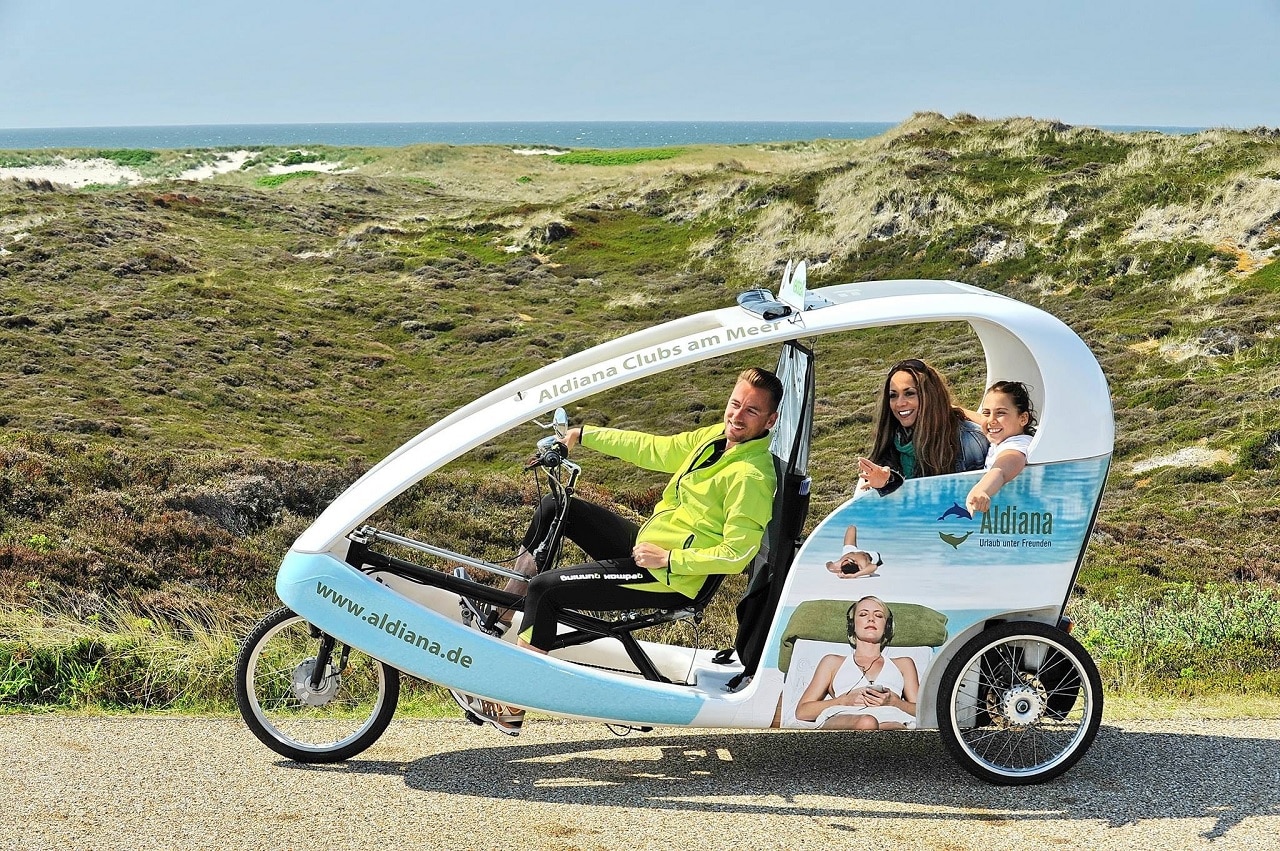

Bayk, A Company Based in Germany, Developed an Electric Tricycle That Offers 80 Km of Autonomy. The “Taxi” That Does Not Use Fuel Can Carry Up to 2 Passengers and Also Has Solar Panels on Its Hood
The German company Bayk developed a concept called CityCruiser, a taxi that uses pedals and was nicknamed by the company itself as velotaxi, which can be a great option for those who want to save money and contribute to the environment. The electric tricycle can transport up to two passengers and was designed to meet the high demands of electric mobility in major urban centers, especially in Europe. According to the company, the fuel-free vehicle is already spread across 50 countries and 120 cities worldwide.
Electric Tricycle Can Reach 25 Km/h
-

Bayk/Disclosure -
Bayk/Disclosure ARTICLE CONTINUES BELOWSee also-
2027 Toyota Corolla Cross Unveiled: New Design, Enhanced Fuel Efficiency, Reduced Maintenance Costs, Advanced Technology, Connected Services, and Up to 10-Year Warranty

-
Fiat Cronos Precision 2018: Affordable Sedan with Spacious Trunk and Reliable Maintenance
-
Volkswagen to Cut Production by 1 Million Cars by 2030, Reducing Jobs and Platforms, Focusing on More Profitable Models

-
Toyota Launches First 100% Electric Car in Brazil: bZ4X with 343 HP, All-Wheel Drive, 361 km Range, Priced at $419,990 BRL, Limited to 99 Units

-

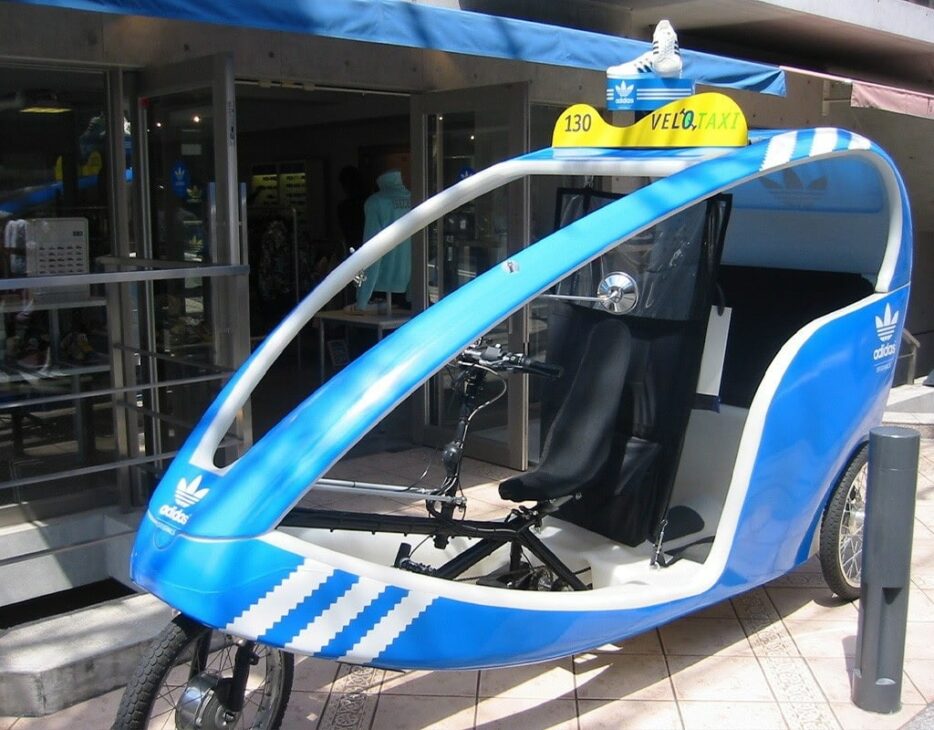



The tricycle that does not use fuel can ride on bike lanes or in areas with access for bicycles. According to Bayk, these tricycles are widely used in other countries. The CityCruiser is the latest model in Bayk’s vehicle line, a company with over 20 years of experience in the sector.
In all configurations, the electric tricycle provides assistance of up to 25 km/h, with a motor offering 10 kgfm of torque and 250 watts of power. The speed limit is restricted by software, so there is the possibility of exceeding the margin suggested by the company, although this action may damage components of the vehicle, which does not use fuel.
According to the German company, the vehicle can travel 80 km on a single charge, a sufficient range to make a trip around the city or take people to their daily destinations. The company also emphasizes that the charge duration may depend on the use of the pedal assist, geographical aspects such as wind, road surface, and temperature, as well as the motor level.
Fuel-Free Taxi Also Features Solar Panel
The model also has an additional solar panel on top, but the German company did not provide details on whether it is used for recharging. The vehicle’s transmission can have 3, 5, or 14 speeds, and the structure is made of eco-friendly polyethylene.
The fuel-free taxi can also carry up to 495 kilograms, including the cyclist and passengers, and 5m² in the body for sponsorships. According to the manufacturer, it is possible to start a fleet of velotáxis with about 20 vehicles. The electric tricycle with a dual motor and pedals costs around €9,990, which in direct conversion equals R$ 51,500. The fast chargers for the model cost around US$ 2,890, equivalent to R$ 14,900.
The vehicles are present in famous cities such as Tokyo, Kyoto, and Nagoya in Japan, Montpellier, Lille, and Nice in France, in addition to several locations in Germany. In France, the electric tricycle was licensed to the local company Happymoov.
Brazil Already Has Similar Initiatives
It is important to highlight that the idea of using tricycles as taxis is not new here. In the country, bike taxis, which do not have the bodywork and styling of the German company, operated in São Paulo through the Bikxi app at the end of 2010. However, the initiative did not take off, considering that São Paulo is a city with about 6.2 million vehicles, according to data from the State Department of Transit of the State of São Paulo (Detran – SP). The vehicle, at the time, was useful for those seeking to escape the city’s traffic.